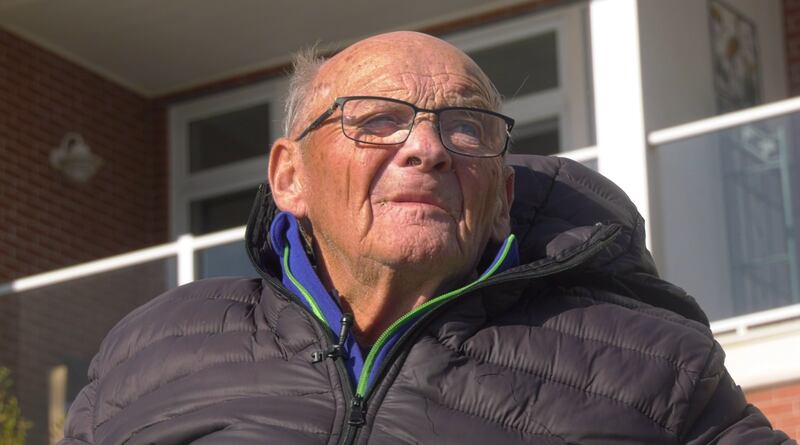
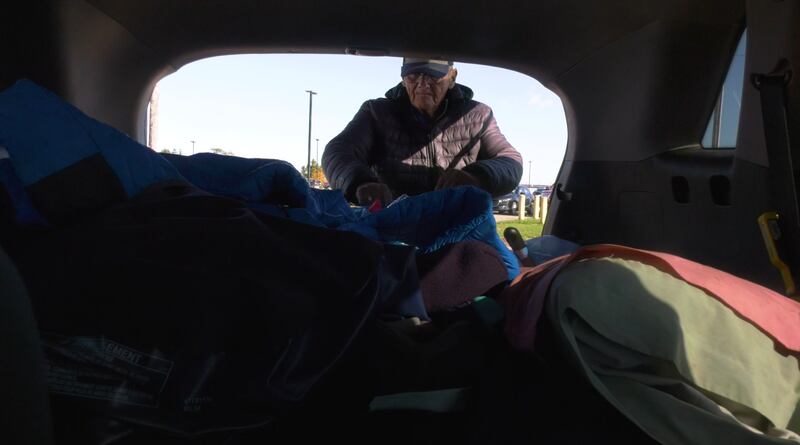
For more than two months, 76-year-old David Turner has been living and sleeping in his car.
The senior says debts mounted and after falling behind on rent, his landlord evicted him. It’s not the first time he’s been homeless, as in February 2024, following a similar situation, he began relying on emergency shelters in Charlottetown to escape the cold.
Meeting his basic needs isn’t always easy, but he says it’s the loneliness that weighs on him most.
“That hurts, being alone all of the time,” he told CTV News.
On sunny days, Turner drives to the Charlottetown Marina, where he greets tourists. He feels more fortunate than others, because he has a pension, but he says it’s not enough to rent right now.
“The cost of everything is just crazy,” Turner said. “Seniors are struggling because of the cost of living, the cost of rent, the lack of affordable housing.”
Adults aged 65 and older made up nearly five per cent of users at emergency shelters last year, up from 3.3 per cent in 2021, according to the National Shelter Study.
The latest numbers from the Canadian Income Survey show the poverty rate for the same age group also sat at five per cent in 2023. Based on population figures from that year, that’s around 380,000 older Canadians.
But there are significant regional variances and different ways to measure poverty, according to the National Institute on Ageing. The NIA says 18 per cent of those aged 65 and up in Atlantic Canada have poverty-level living standards, higher than any other region.
“For most people out there, I think they realize that our seniors are particularly struggling, more so across Canada than ever before,” said Dr. Samir Sinha, the institute’s director of health policy. “These are some of the fastest-growing groups that we’re seeing who are represented by homelessness and food bank usage.”
While the Canada Pension Plan, Old Age Security and the Guaranteed Income Supplement offer critical support, Sinha says they’re not enough for many as costs climb. She added that in Atlantic Canada, some retirees earned less over their working lives than peers in central Canada. Older women face added hurdles, including fewer economic opportunities when they were in the workforce and time out for caregiving, which can mean fewer CPP benefits.
“All these issues are really policy issues,” Sinha said. When seniors can’t find affordable housing, some end up in publicly funded long-term care - a more expensive path for taxpayers.
With the federal budget days away, Sinha says he would like to see a portion of new housing set aside for seniors, adding to a push from advocates for more measures that will cut costs for older Canadians.
The federal government announced more than $13 billion in September for a new national agency, Build Canada Homes, which aims to double the rate of construction and add both affordable and deeply affordable housing. In recent months, Ottawa has said the upcoming budget will include measures to lower builders’ costs and catalyze private capital.
A federal finance department official told CTV News the agency will focus on building homes that costs less than 30 per cent of a household’s before-tax income.
“Deeply affordable” housing, the official said, is calculated using the median income of low- or very low-income households in a region, and is intended to support minimum-wage earners, low-income seniors and people receiving social assistance.
The official added the government has advanced initiatives benefiting seniors in recent years, including investments in home care and long-term care. Canada also increased Old Age Security by 10 per cent for seniors aged 75 and older, providing about $880 to full pensioners in 2025.
In P.E.I., a spokesperson for the Social Development and Seniors department said non-repayable funding is essential to offset rising construction costs and meet affordability targets.
That means offering grants, not loans. The Build Canada Homes website suggests it will mostly use financing – like loans and guarantees – and public land to help projects get built. Some grants have been offered so far.
The province would also like increases to Old Age Security and the Guaranteed Income Supplement to help more seniors remain in their homes.
As for Turner, he plans to start looking for a more permanent place to live.
“I’m working as quickly and best I can to get rid of my debt,” Turner says. “I have my other bills, my medications, my car expenses.”
He hopes that soon, homelessness will be in his rearview.

