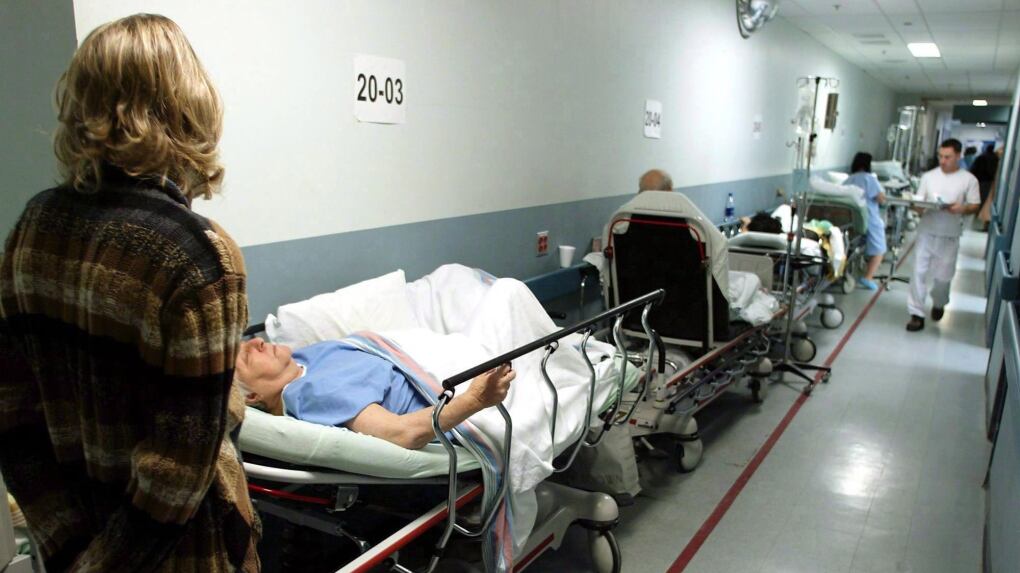
It’s flu season, and for Montreal’s emergency rooms (ERs), that can mean overflowing waiting rooms full of people who could have recovered at home.
Dr. Mitch Shulman, an emergency medicine specialist and attending physician with the McGill University Health Centre (MUHC), points out that healthy people suffering from seasonal colds run the risk of catching something much worse by congregating in an ER.
“Is there such a thing as a man cold? I leave that up to you,” he quips. “If you’re a normal, healthy person and you have a cold, a cold will last five to seven days if I treat it; a cold will last five to seven days if I don’t treat it.”
When should I stay home?
You should stay home if you are otherwise healthy and have:
- Sore throat
- Blocked or runny nose
- Cough
- Nausea
- Vomiting (but you’re not dehydrated)
- Diarrhea (but you’re not dehydrated)
- Fever that responds well to medication
“If you have nausea, vomiting and diarrhea, but you can keep up with your liquids, don’t visit me in the emergency room,” Shulman said. “If you have a sore throat and you’re able to swallow, don’t visit me in the emergency room. If you have symptoms of a cold, a blocked nose, a runny nose, a bit of a cough, don’t see me in the emergency room.”
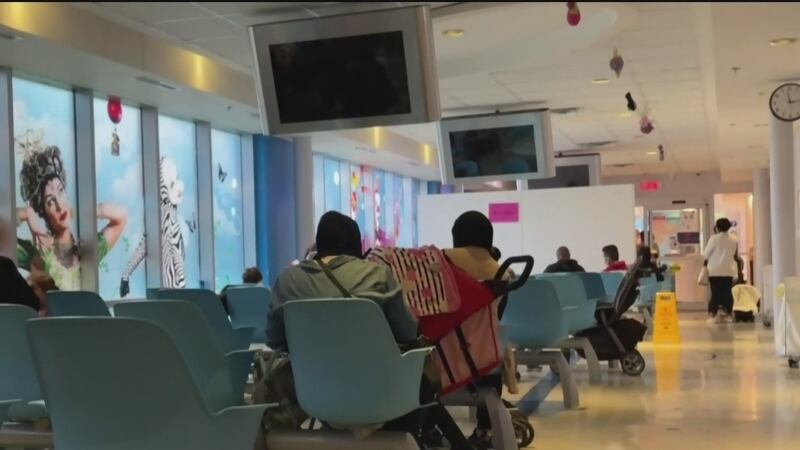
When should I go to the ER?
You should go straight to the ER if you are elderly and/or immunocompromised; for example, people with cancer, diabetes or kidney or heart disease.
“The only time we would be concerned about someone who has symptoms of a ‘cold’ is if they have a compromised immune system or if it’s more than five to seven days and it’s still there,” said Shulman. “Or if they were getting better, and all of a sudden they get chest pain, they get shortness of breath, they get a high, spiking fever.”
He warns that these signs can mean a person’s cold has led to complications, such as pneumonia, and will need prompt medical attention.
Other emergencies that require a trip to the ER include:
- Sudden onset, unbearable pain
- Fever lasting more than four to five days or that is not responding to medication
- Blood in vomit or stool
- Broken bones
- Traumatic events (such as a car accident)
Anyone who suspects they may be suffering from a heart attack or stroke should also seek immediate care.
“If you have sudden onset, crushing chest pain in the middle of your chest, can’t catch your breath and feel like you’re going to pass out, this could be a heart attack,” Shulman notes. “I need to see you if you have the worst headache you’ve ever had... I need to see you if you have a very high fever that isn’t responding to medication, or that persists beyond four or five days.”
Additionally, signs of stroke can include coming in and out of consciousness (confusion, disorientation), difficulty speaking, numbness and random paralysis.
“The faster you get to an emergency room, the better the chances are that we can reverse the effects of the stroke,” said Shulman. “Even if these symptoms get better on their own, this could be what some people call a mini stroke, or a TIA, a transient ischemic attack.”
What about children?
The rules mostly go out the window when children are involved, says Shulman.
“Parenting is tough as it is. A sick kid is always difficult to deal with,” he states, adding that parents should always consult a health care professional if a baby under one year old has a fever. “If in doubt, especially with a child under the age of one, do not hesitate to go to the emergency room. We would rather you went there unnecessarily than God forbid something happened.”
Other symptoms of concern: if they are unable to keep liquids down or are having profuse vomiting or diarrhea.
Depending on the time of day a child is sick, Shulman notes that most family doctors and pediatricians have walk-in hours to accommodate last-minute cases.
What can I do instead of going to the ER?
Shulman points out that people can visit their pharmacists to receive care for common illnesses.
People can also book an appointment with a health care professional at a nearby clinic on Clic Santé or call the Info-Santé 811 line for more information.
Shulman also advises people to know what resources are available in their neighbourhoods.
“Is your local health clinic open Friday night, Saturday, Sunday? Are they able to do X-rays?” he asks. “Those are ways that you can avoid having to go to the emergency room.”

