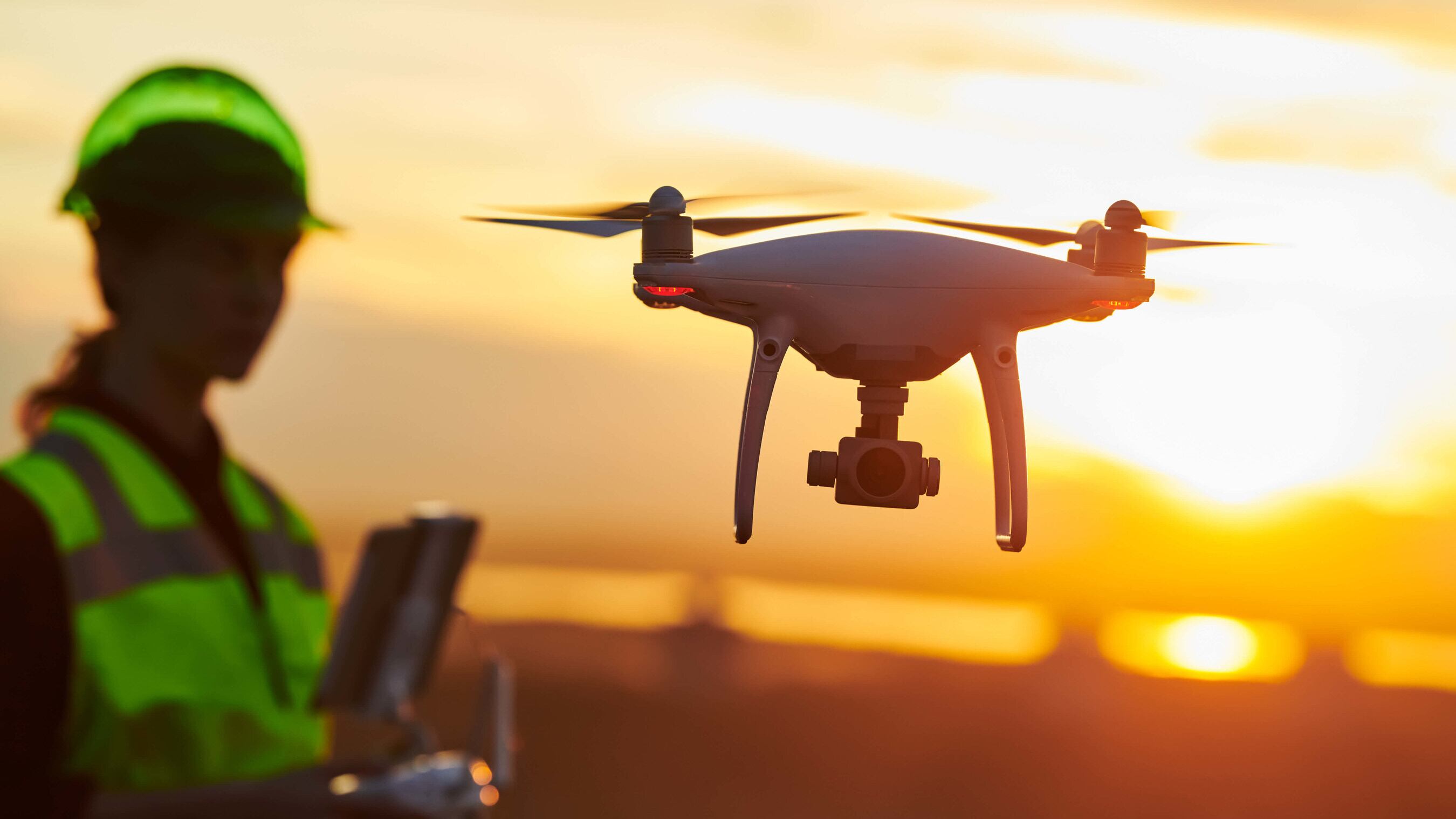
New drone regulations from Transport Canada go into effect today, allowing professional operators more flexibility while flying.
As of Nov. 4, properly certified drone pilots will no longer need to get a permit known as a “Special Flight Operations Certificate” for certain types of flights.
Those flights include:
- Low-risk beyond visual line-of-sight (BVLOS) flights at low levels in uncontrolled airspace that is away from airports;
- Sheltered operations with a small drone flying close to buildings or structures in controlled airspace;
- Extended visual line-of-sight (EVLOS) flights with the support of a certified visual observer in uncontrolled airspace; and
- Visual line-of-sight flights with medium-sized drones between 25 and 150 kilograms in controlled airspace.
Controlled airspace refers to flight areas that are strictly managed by air traffic controllers. Clearance must be granted to enter controlled airspaces, which are typically found around airports and sensitive sites like military bases, government buildings or nuclear power plants.
Visual line-of-sight means being able to see an object like a drone without the use of an aid like binoculars or a video feed. Operators must also have a valid drone pilot certificate to fly in Canada.
“With these new rules, we can fly our larger aircraft … without needing a special flight operations certificate,” professional camera drone operator Josh Dusang said in a release from Nav Canada, the private non-profit corporation that manages air traffic control services in the country.
“For downtown real estate projects, the sheltered operations rule will let us capture an entire building without constantly moving positions,” Dusang added. “In film and TV, EVLOS will give us the ability to push the drone to greater distances safely, while still keeping full control.”
Flights must still be recorded in the NAV Drone app, which is the only app that allows operators to legally request permission to fly a drone in airspace controlled by Nav Canada. The app has more than 90,000 registered users and processes over 1,000 flight authorization requests each week. It has been updated to reflect the regulatory changes.
According to Nav Canada, the new rules will provide more flexibility to professional drone operators working in sectors like film, television, real estate, infrastructure inspection and agriculture.
“By enabling more complex and commercially relevant drone operations, we are helping Canadian businesses innovate, create jobs and strengthen Canada’s position in the global drone economy,” Nav Canada vice-president and chief technology and information officer David Sheppard said in a news release.

