








Framed as an “investment budget,” Mark Carney’s first fiscal picture as prime minister focuses mostly on big-ticket investment-driving items, rather than spending geared towards individual Canadians.
But, from plans to review ATM fees, to funding for the summer jobs program, and a potential bid to join Eurovision, the federal government’s 2025 budget does include some measures that could be of interest to everyday Canadians.
“What we are contending with is not a transition, it’s a generational shift,” the budget states. “One that challenges our assumptions, tests our institutions, and demands a fundamentally different response — not one of caution, but of courage. Not one of passive stewardship, but of active, ambitious nation-building.”
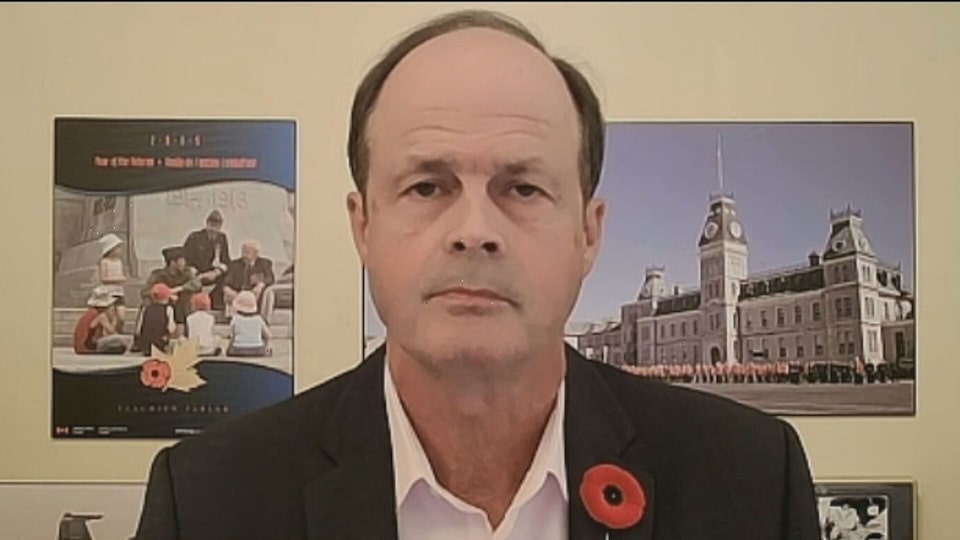
Personal finance expert Tim Cestnick told CTV News on Tuesday that the budget “doesn’t really address” issues of concern to the average Canadian, such as affordability and housing. Instead, he said it focuses on improving investment and productivity, which are both critical in laying the groundwork for longer-term growth and prosperity.
“Some of the measures in the budget really were focused more on small, medium and even large businesses,” he said. “So, we’re seeing measures in the budget for some of those business owners, but not a lot to the average Canadian.”
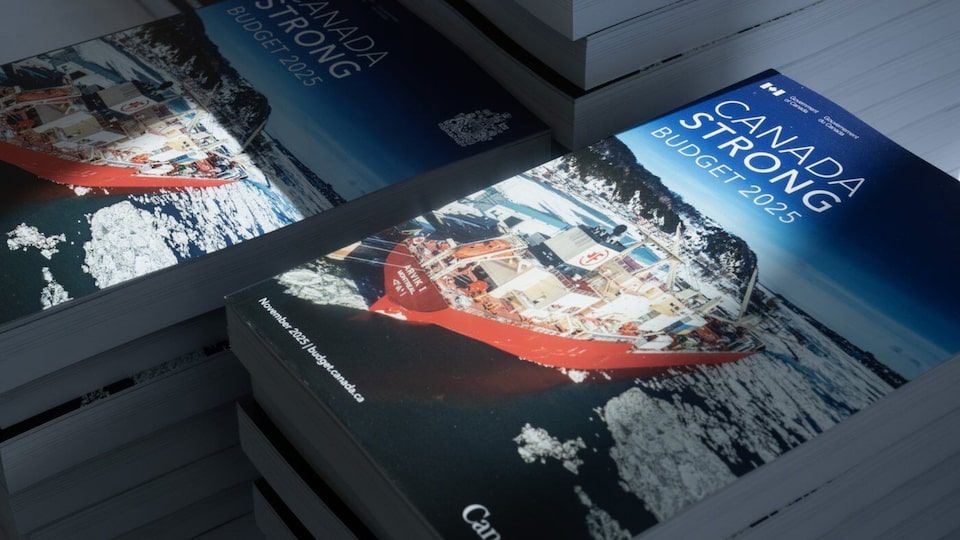
CTV News has reviewed the 405-page budget. Here are some of the new line items that could impact the average Canadian.
Streamlining access to Canada Disability Benefit
While the Canada Disability Benefit — which began rolling out payments in June — has been widely criticized by advocates for being insufficient to fulfil its promise of lifting Canadians out of poverty, the budget lays out measures to improve access to it.
- READ: Budget 2025 goes big on capital spending, deficit projected at $78.3B
- READ: What’s missing from the Carney government’s first federal budget
- READ: With Carney’s budget tabled, the countdown to a make-or-break confidence vote begins
The payments add up to a maximum of $2,400 a year to eligible applicants, which is $200 a month, or about $6.66 a day.
To streamline the process to access the benefit, the budget states the federal government is committed to offsetting the cost for applicants to obtain the required Disability Tax Credit.
The budget earmarks $115.7 million over four years to that end, including for administrative costs and one-time payments for Disability Tax Credit certifications.
Government will review ATM and bank fees
Framed as “lowering costs and protecting consumers,” the budget also includes measures to save Canadians money on certain fees.
The Liberals are pledging to “review” the fees banks and other financial institutions charge to send e-transfers and use ATMs, with an update slated for next year.
The government also plans to change the amount of money Canadians can immediately access from a cheque they deposit, from $100 to $150, and allow people faster access to funds deposited electronically and in person.
On the affordability front, the budget also reiterates previously announced commitments, such as the middle-class tax cut, eliminating the consumer carbon tax, and automatically allocating federal benefits to some individuals.
No cuts to Trudeau-era social programs
While Carney’s budget focused largely on the “generational investments” it says will spur building and support major infrastructure projects, the prime minister is maintaining the cornerstone social programs of his predecessor, Justin Trudeau.
- READ: Global Affairs Canada could merge embassies with allies, must focus on trade: budget
- READ: Feds unveil new climate strategy with no details on Canada’s emission commitments
- READ: Ottawa cutting foreign aid and research spending back to pre-pandemic level
Namely, the $10-a-day childcare program, dental care, and pharmacare, are all included, as are the Canada Child Benefit and the Canada Disability Benefit.
The budget also reiterated the government’s announcement from early last month that it’s making the National School Food Program permanent, to the tune of $1 billion over five years.
Adjustments to medical cannabis benefit
Adding up to $4.4 billion in savings over four years, according to the budget, is an adjustment to the Medical Cannabis Benefit for veterans and RCMP members and civilian officers.
The federal government states the change is meant to better align with the market price for medical cannabis.
“Currently, the program reimburses medical cannabis at a rate of $8.50 per gram, which is significantly above the market price,” the budget states. “RCMP will transition to reimburse at $6.00 per gram — which still remains above, but closer to the market price.”
Spending aimed at boosting youth employment
Budget 2025 includes funding to boost youth employment, through the summer jobs program and through training supports.
- READ: Budget includes CBC funding boost, pitches getting Canada into Eurovision
- READ: Feds pitch $2B fund for critical minerals investments, including equity stakes
The earmarked funds come as youth unemployment reached a 15-year high, excluding the COVID-19 pandemic, with CIBC senior economist Andrew Grantham telling CTV Your Morning in August it was at levels that “are typically only seen during recessionary periods.”
New funding for the Canada Summer Jobs program will allow it to subsidize about 100,000 jobs next summer, according to the budget. That number is up from the 76,000 jobs that fell under the program’s funding last summer.
A potential bid to join Eurovision
Amid the miscellaneous tidbits included in the budget is a plan to work with the national broadcaster CBC/Radio Canada “to explore participation in Eurovision.”
The live televised international song contest began almost 70 years ago, and has grown to include participants from nearly 40 countries, the vast majority of which are European.
- READ: Federal government plans tax changes to enable $1 trillion boost to economy
- READ: Ottawa promises more oversight on banks, increase access to funds deposited by cheque
- READ: Canada promises $6 billion support for businesses to reach new markets
According to Eurovision’s website, this year’s competition reached 166 million people across 37 public service media markets, and viewers from 146 countries cast votes for the winner.
The budget also proposes $48 million over three years for the Canada Music Fund to “enhance the careers of Canadian artists while strengthening the competitiveness and stability of the Canadian music sector,” and $127.5 million over three years for the Canada Media Fund to “support Canada’s audio-visual content creators.”
With files from CTV News’ Rachel Aiello

