In August 2002, an Edmonton bank manager in his early 50s became front page news, seemingly overnight.
His name was Nicholas Lysyk.
The story was about the millions of dollars he’d stolen, the fine automobiles — especially vintage muscle cars that he coveted — and the many younger women he lavished gifts upon.
Behind the scenes, auditors for the Bank of Montreal had discovered nearly $16 million missing through their Wolf Willow location in west Edmonton.

The money was part of more than 60 fraudulent loans signed off by Lysyk over the course of approximately six years.
As the case unfolded in court proceedings, receivers, acting on behalf of the bank, made their way to multiple properties around Edmonton, as well as to lake lots outside the city.
They cut locks, replaced them with new ones, and hauled away assets on trailers. There were businesses as well. Fine jewelry, furniture, and furs, everything allegedly purchased through the false loans created by Lysyk.
Only a few of the banknotes were in the names of Lysyk’s family members, but many were linked to young women who were sex trade workers.
The public fascination with the banker had as much to do with the young lovers in his life, as it did his love for vintage muscle cars from the early 1970s.
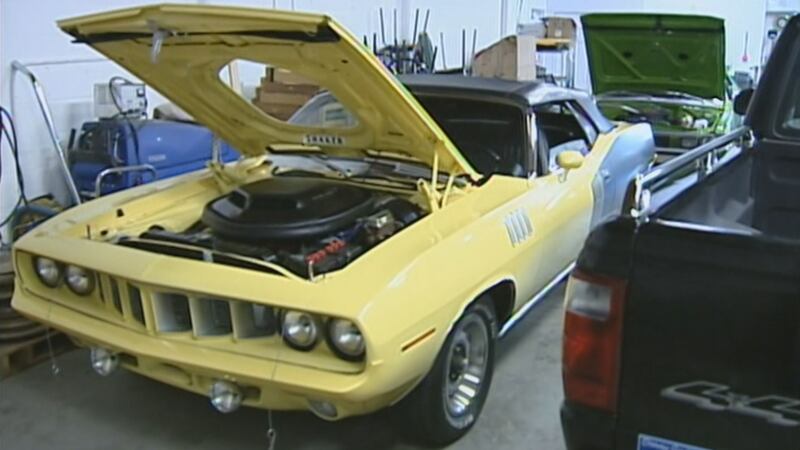
He had a handful, but Lysyk was in possession of perhaps the most mythical high-performance vehicle of them all: a cloned copy of an unbelievably rare yellow and black 1971 Plymouth ‘Cuda convertible with a 426 Hemi engine.
While Lysyk was followed relentlessly by the media to his many court appearances, it was the sheer volume of evidence against him that resulted in him striking a deal with the prosecution, instead of proceeding to trial.
This is Part 1 of CTV News Edmonton’s David Ewasuk’s story on the case of Nicholas Lysyk as part of our new series, The Crime Tapes.

