A new clinical study at the Ontario Veterinary College (OVC) in Guelph, Ont., aims to bring relief to dogs with breathing problems.
It’s common for breeds such as French bulldogs and pugs to struggle with brachycephalic obstructive airway syndrome (BOAS), a condition that causes severe breathing difficulties.
“This is a general term we use for signs and symptoms that we see related to their kind of squishy-face anatomy,” explained veterinarian Makayla Farrell, who is co-leading the study.
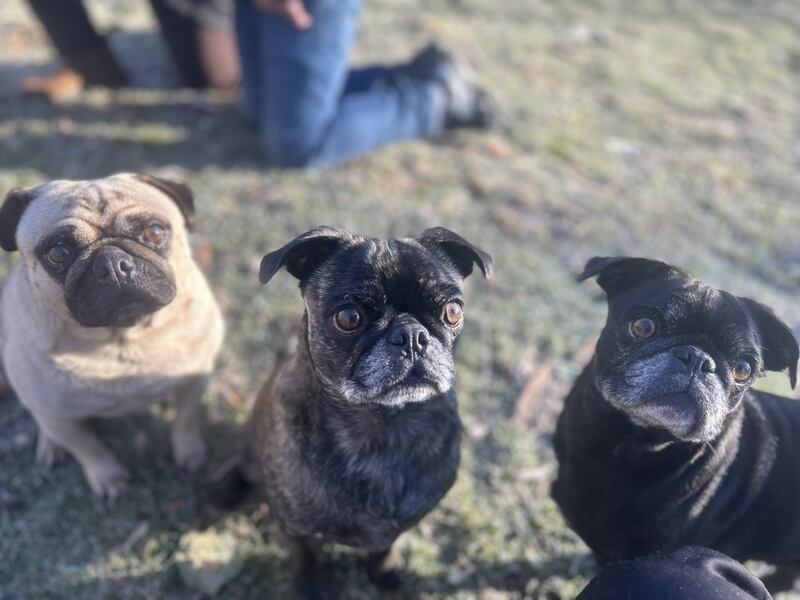
The unique facial feature may make for a cute pet, but BOAS can cause a range of other problematic symptoms such as difficulty exercising, sleep apnea, heat stroke and digestive issues.
The excess soft tissue can be removed from a dog’s airway during surgery, an option often recommended to help improve their quality of life. But the procedure’s success can only be measured subjectively at follow-up appointments and, even then, it is difficult to determine a pup’s long-term improvement.
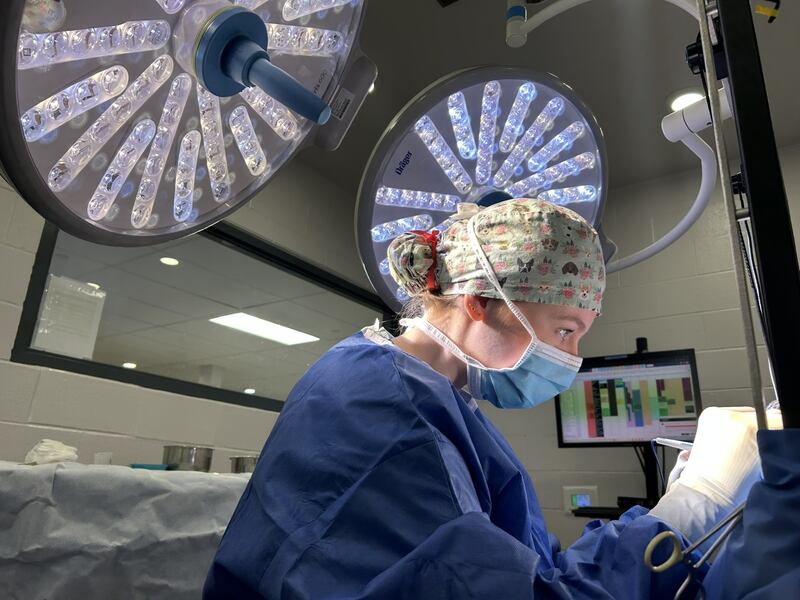
The OVC study looks at how BOAS surgery affects a dog’s activity level and sleep disturbances after the procedure.
Researchers are tracking that data through wearable technology, similar to a smartwatch, called the FitBark.
“It uses [the dog’s] movement, does a little algorithm and gives us a score,” Farrell said of the device, which attaches to the collar.
“It’s a commercial device available to any consumer and it syncs up to a smartphone app that allows us to collect data and sync it to a research portal.”
The dogs that are part of the study wear the FitBark for at least two weeks leading up the surgery, during the four-week recovery period, and for another two weeks after they have returned to their regular activities.
The study is accepting applications over the next few months.
The findings should be published in late 2026 and 2027.

