More than half of Canadian adults aren’t getting enough exercise each week, according to the latest ParticipACTION adult report card.
The report found only 46 per cent of Canadians meet the physical activity guidelines, resulting in a grade of C-minus.
Guidelines recommend at least 150 minutes of moderate-to-vigorous physical activity per week. The range can be anywhere between a brisk walk on the moderate end to a quick run or playing a sport on the vigorous end.
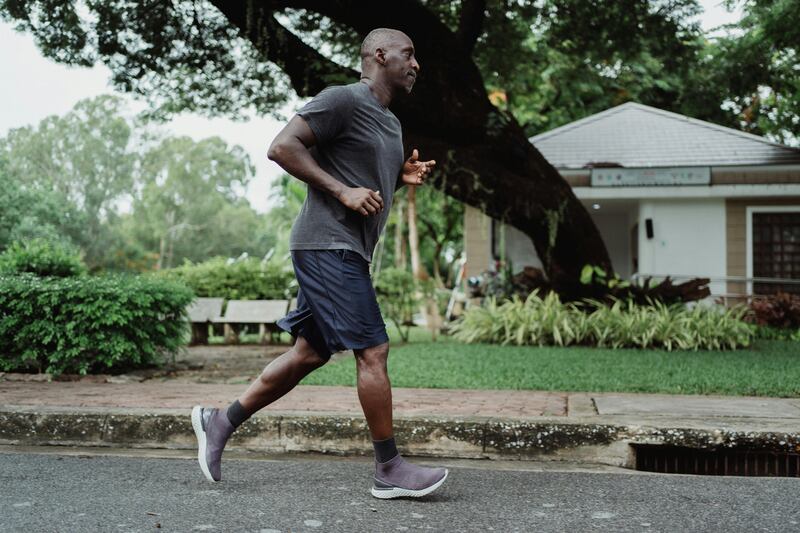
Movement now a ‘scheduled activity’: ParticipACTION
The number of Canadians meeting the goal hasn’t changed in several years, according to ParticipACTION’s report card project manager Brianne Bruijns.
“Movement is no longer the easy choice for adults in Canada,” Bruijns told CTV News. “Technological advancements have pretty much socially engineered movement out of our daily lives.”
It’s more convenient for Canadians to use an elevator or escalator than the stairs. People are spending more time sedentary on their phones, she said, and Canadians no longer have to walk the aisles of a grocery store to pick up food.
“We used to get a lot of physical activity through those incidental movements and daily tasks, but now movement is more of a scheduled activity,” she said.
In the subject of total daily steps, Canadians received a D on the report card.
Only 32 per cent of adults meet the recommended 7,500 steps per day. The grade slipped from 49 per cent in 2021.
“A large majority (of adults) have indicated that they have the desire to be physically active, but it’s getting them past that intention and turning that into action. That’s the difficult part,” Bruijns said.
Tenille Lafontaine is one of those Canadians wanting to become more active.
The mother of three says time is her biggest barrier, especially when working around her children’s busy schedules.
Lafontaine takes her dogs for walks and bought a walking pad to use in the winter months. But she knows she isn’t meeting the recommended amount of activity.
“I know as a parent our kids are looking up to us to make sure we’re modelling these good behaviours and I know I’m not getting as much (physical activity) as my kids even are,” she said.
She called the ParticipACTION report card an “eye-opener” and said it could be the precipice to become more active.
“As a generation, maybe we are failing at that,” Lafontaine said. “My generation, as a kid growing up, being healthy meant diet culture and being skinny, whereas now being healthy means being active and being strong.
“Those are messages I want to model and share with my kids,” she added.
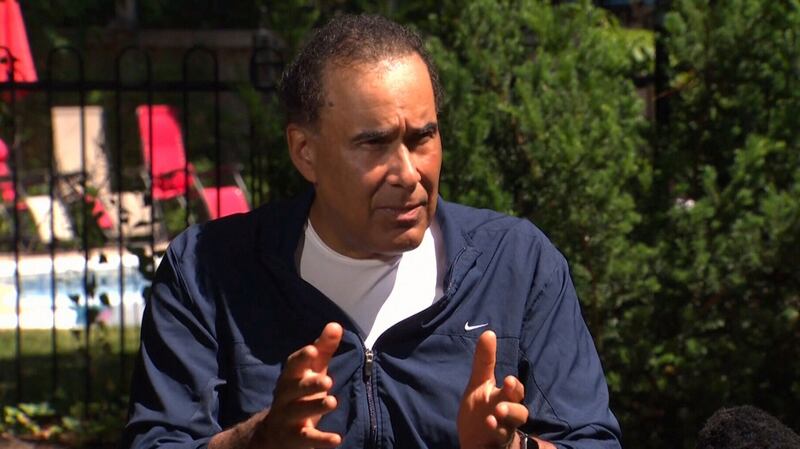
‘We’re treading water’: Hal Johnson
Hal Johnson, co-host and creator of Canada’s iconic Body Break, has made a career out of pushing people to move. However, he’s not seeing everyone practice what he preaches.
“People know from a knowledge perspective that they should get up and get active, but our society has gone the other way,” he said.
Similar to the report’s recommendations, Johnson believes the government has a role to play in improving access to physical activity.
He’d like to see gym memberships, running shoes and equipment become tax exempt. In turn, he believes the federal government could save big on health-care costs down the road.
“We’re treading water and it’s certainly important to understand that there is a tsunami coming on,” Johnson said. “If we don’t change the way our society is going, we are going to hit our healthcare system.”
Physical inactivity costs Canada’s health-care system $3.9 billion annually in “avoidable healthcare expenditures,” according to the report.
Researchers estimate a 15 per cent increase in physical activity levels could save about $1 billion each year in health care, employee absenteeism and chronic disease management costs.
“Think about what you’re going to be like when you are 50, 60, 70, 80 years old. Are you going to be able to get up and play with the grandkids?” Johnson said.
“It’s important that you take care of yourself now, so that you can do things in the future.”
The report recommends coordinated action and policy changes from all levels of government, employers, urban planners and the health-care system to promote physical activity and remove barriers.
“We need to make it the easy choice for adults in Canada,” Bruijns said.

