Canada’s chronic kidney disease (CKD) mortality rate has risen by more than 70 per cent since 1990, even after adjusting for population growth and aging, according to new data from the Global Burden of Disease Study.
It’s a surge far outpacing global trends and prompting calls for a national framework to address what experts warn is a quiet but worsening crisis.
“We’re doing a good job of controlling some of the upstream drivers, major causes of kidney disease like high blood pressure and diabetes,” said Dr. Marcello Tonelli, a University of Calgary professor and president of the International Society of Nephrology.
“But it (the data) tells us that for people who already have kidney disease, we’re failing them. We’re not detecting it in time, and we’re not deploying the treatments that we know will reduce mortality and prevent progressive kidney function loss and other adverse outcomes.”
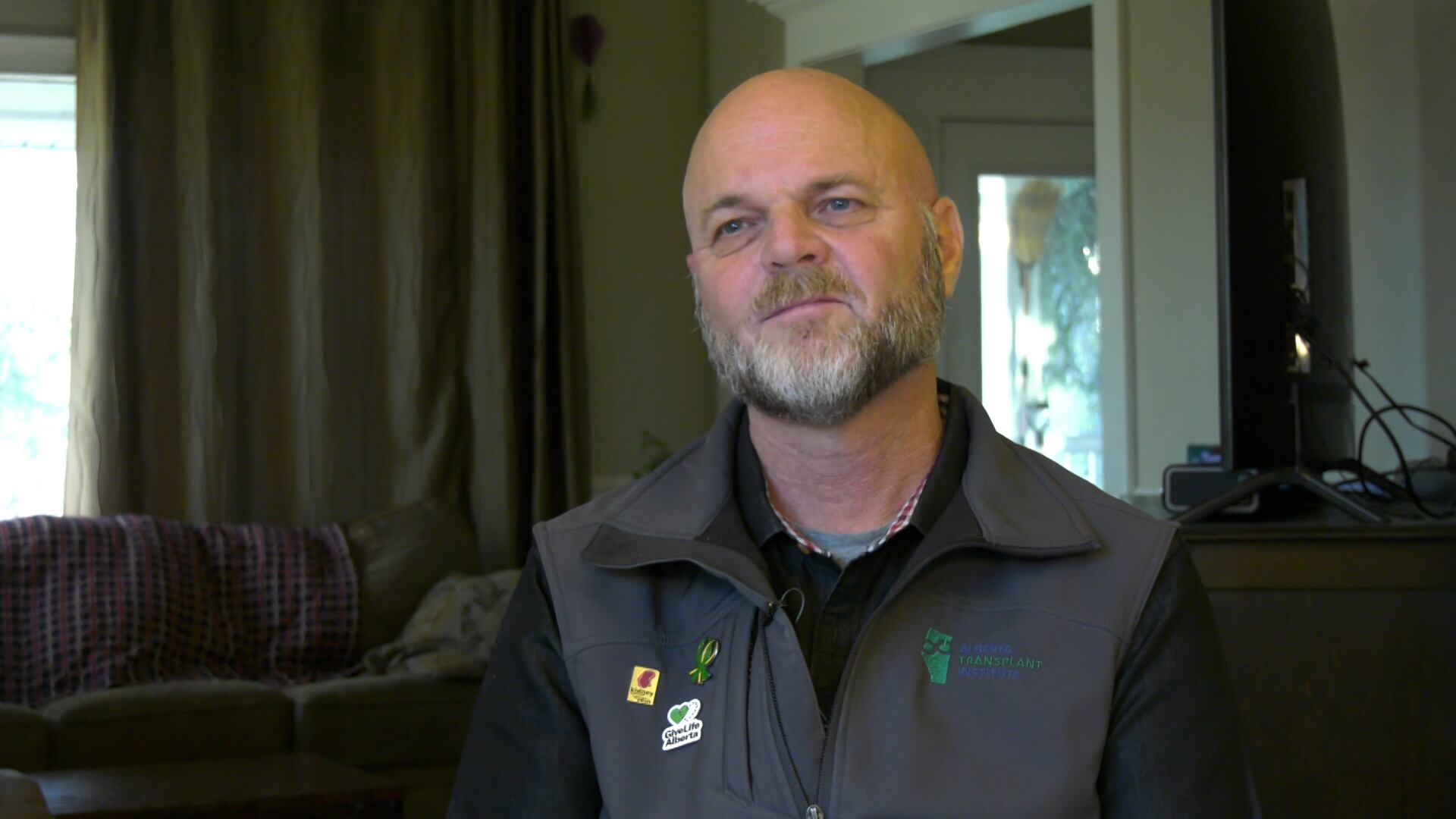
For Albertan Sean Delaney, the stakes are deeply personal.
On a small countertop inside his Sherwood Park home, the 54-year-old sorts through the daily therapies that keep his transplanted kidney working, a routine he has lived with, in one form or another, for most of his life.
Delaney lost his first kidney as an infant after a urinary tract blockage, and his remaining one carried him until he was 27 years old. But eventually it started to fail and he needed a kidney, which he got from his younger brother, Peter.
“And that kidney from him lasted 21 years before I ended up on dialysis again,” said Delaney.
His next kidney came from a friend-of-a-friend, Brenda, who stepped forward with a second gift of life.
“There are lots of things I couldn’t have done without my brother’s kidney, and without hers,” he said.
One in 10 Canadians affected
The new data shows one in 10 Canadians, about 4.5 million people, live with CKD – a number projected to climb to more than 6.2 million by 2050.
CKD often develops with no noticeable symptoms, meaning many people are diagnosed only when permanent damage has already occurred.
Canada’s rising mortality rate stands in stark contrast to the global average, which has increased by roughly six per cent since 1990. CKD is now the ninth leading cause of death worldwide, fuelled by aging populations and rising rates of diabetes, hypertension and cardiovascular disease.
“There are populations and ethnic groups who are more likely to develop kidney disease,” said Carrie Thibodeau, the Kidney Foundation of Canada’s national director of programs and public policy.
“Those include Indigenous communities and Black communities. It includes Asian and South Asian individuals.”
Framework could lead to prevention: Thibodeau
The Kidney Foundation of Canada is urging Ottawa to implement a national kidney health framework focused on equitable access, improved data collection, stronger primary care and early intervention.
“The most important way of doing that is really to have a blood test and a urine test that you can request from your doctor,” said Thibodeau.
“If we diagnose people earlier, and we intervene earlier, then we have the opportunity to prevent people from ever needing dialysis or a transplant.”
The Kidney Foundation of Canada says momentum for coordinated action is building internationally. Earlier this year, the 78th World Health Assembly adopted the first-ever resolution on kidney health, calling on member states, including Canada, to integrate strategies including, strengthening prevention, early detection, treatment access and national capacity to track progress.
For Delaney, the days of relentless fatigue and nausea are behind him. He now spends his time hiking, travelling and chasing mountain summits with his grandsons.
“Tomorrow’s not promised,” he said.
“I’m taking every chance and every opportunity and taking risks that I wouldn’t have otherwise.”
On an evening walk with his dog, Delaney says he’s grateful not just for the kidneys that saved his life, but for the second — and now third — chance to live the kind of life he once feared would slip away.

