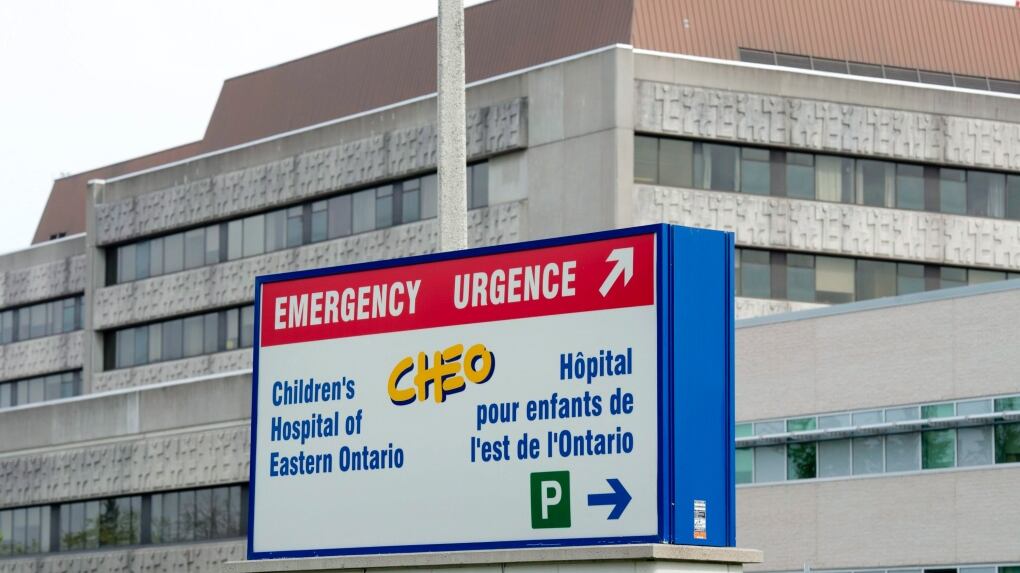
CHEO is urging children, youth and adults to get their flu vaccine as the children’s hospital sees a “concerning rise” in flu cases in Ottawa.
The hospital says there has been a “significant increase” in the number of children visiting the emergency department since the start of the cold and flu season, with “many children needing hospitalization with the flu.”
“In November, CHEO saw eight times more children test positive for influenza compared to the same month last year and double the number of children who needed to be hospitalized with the flu,” CHEO said.
Ottawa Public Health and CHEO say the peak of flu season isn’t expected until late December, and the “number of cases is expected to continue rising.”
“CHEO’s Emergency Department also reports that most children seeking care have not had their seasonal flu vaccine,” CHEO said.
“That is why CHEO is calling on everyone, including children, youth and adults, to get their flu vaccine to support the health of our community, as well as our dedicated care providers. There is still time before the holiday season.”
CHEO says the flu vaccination will reduce the risk of hospitalization and help “protect vulnerable family members, including infants too young to be vaccinated.”
“The flu is more than a bad cold. Children under five are at a higher risk of severe illness from influenza because they have smaller airways, and their immune systems are still developing,” CHEO said in a media release.
“Even healthy kids can become seriously ill, and flu spreads quickly in schools and child-care settings.”
The flu vaccine is available to everyone ages six months of age and older. You can get the flu shot at participating pharmacies and some primary care providers, like doctors and nurse practitioners. Ottawa Public Health offers both the COVID-19 and flu vaccines to eligible high-risk and propriety populations who face barriers.
RELATED STORIES:

