The Beaty Centre for Marine Biodiversity opened its doors to the public Saturday in Halifax.
“There is such a variety of amazing marine life that we have here, and most people haven’t seen these species, except maybe some on their dinner plate. Now you can witness these species alive, experience their behavior and see how they might interact with you,” says Boris Worm, Marine Conservation Professor at Dalhousie University.
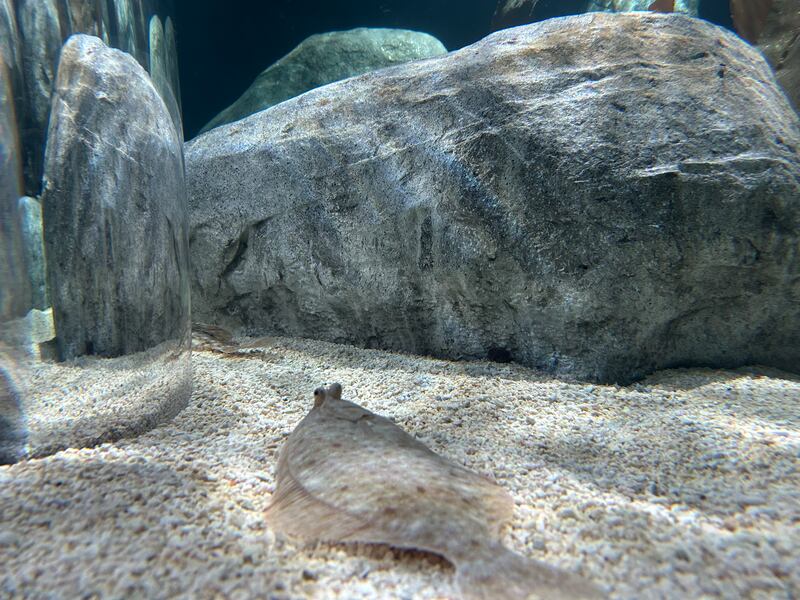
It has more than 30 exhibits and aquaria, with a goal to highlight the university’s science expertise and the species in Nova Scotian waters.
“This is a way to showcase some of the amazing animals we have here, and the level of care is among the best in the world. We would just like for people to see that, experience that. Something we as marine biologists may be more familiar with or see every day but most people have never seen,” adds Worm.
The marine centre is operated by the Discovery Centre International in collaboration with Dalhousie University. It will be open to the public four days a week, Thursday to Sunday.
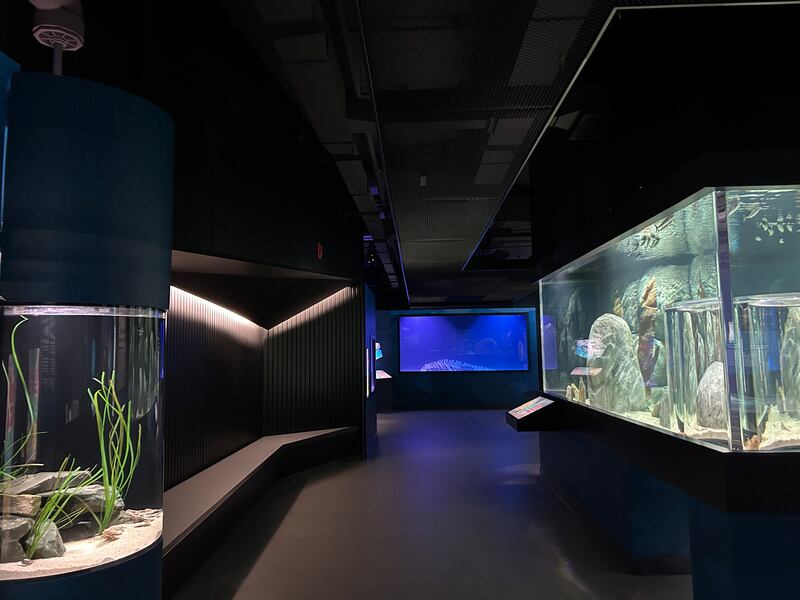
“To give people that window, that opportunity to look into the ocean and to give students the opportunity to look into that space in the ocean. We have a big marine biology program here but most marine biology students don’t have the opportunity to study them up close, so this fills that gap,” he says.
As for where the marine species come from, the Aquatron Laboratory is its primary source for marine species and animal care expertise.
“The Aquatron was key for us in building this centre frankly because they have 20-30 years of experience of raising marine animals in captivity making sure, they are safe, they’re reproducing,” says Worm.
“It made sense if we were going to build an aquarium that it would be related to the work we do so we have cold water 24 hours a day 7 days a week and we pipe that into the Beaty Centre we have the expertise to look after the systems and are familiar with many of the species that were selected for the aquarium,” says John Batt, Aquatron Manager.
It is Canada’s largest marine research facility and has been around for 51 years. It includes wet and dry labs, hundreds of tanks, and over 50 species of marine animals.
“We are primarily here to support the researchers at Dalhousie University. We do a bit of freshwater work, we also work with the government both federally and provincially and with companies across Canada,” adds Batt.
For this team at the Aquatron, ocean science is one of their top priorities so there are hundreds of students looking to expand their knowledge and they work with as many as they can.
They have a number of research projects, ranging from growing kelp, to saving endangered Atlantic White Fish to rebuilding the Cape Breton Islands National Park Salmon population.
“The Atlantic White Fish which is a salmon species, the same species of fish as Atlantic salmon. They are endangered and only live in one river system in the world and that’s in Nova Scotia. So as Nova Scotians we felt a strong responsibility to work with those animals,” adds Batt.
Their role is the holding and breeding centre for that species. They have a number of tanks with these fish and say there are more of them at this facility than in the wild. They not only work to save biodiversity but display it at the Beaty Centre.
Batt says the centre faces some challenges, like tanks having corners, something nature doesn’t have.
“So fish can get lost in corners, so they have to get used to being in the tanks and used to feeding from us and that takes time,” says Batt.
The various marine animals must become climatized to water temperature changes and environmental factors before moving them.
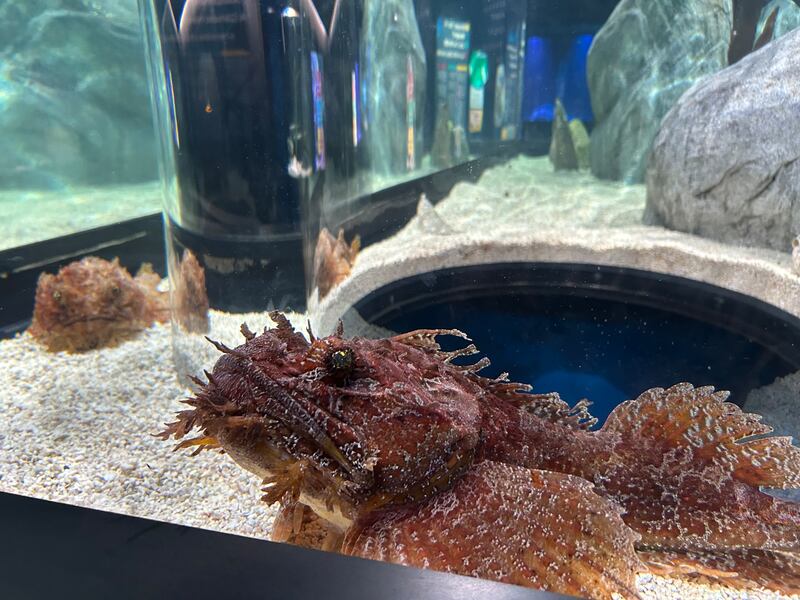
“Snails, fish, we’ve got mummichog fish, stickleback fish, sandbanks and we have lumpfish that will go on display in a few months. We have American eels, the spotted wolf fish which are amazing to see,” adds Batt.
The Beaty Centre for Marine Biodiversity is home to the species found in Nova Scotian waters, some of these include Lined Seahorses which will be entering the space soon once they have fully adapted to their new home.
Research will also take place at this new space. It will be operated by the Discovery Centre International and people can book tickets online or stop by in person.
Doors open at 10 a.m. Saturday.
For more Nova Scotia news, visit our dedicated provincial page

