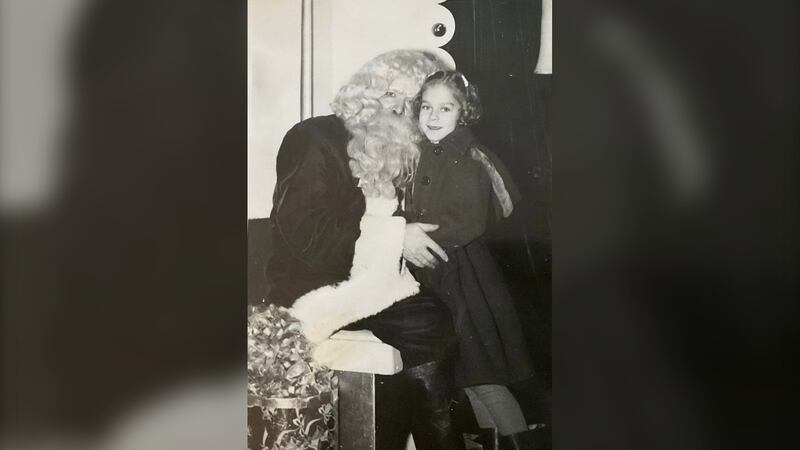
Linda Sigurdson still remembers how it felt to walk through the iconic Eaton’s department store in downtown Winnipeg as a child in the snowy, frigid days leading up to Christmas.
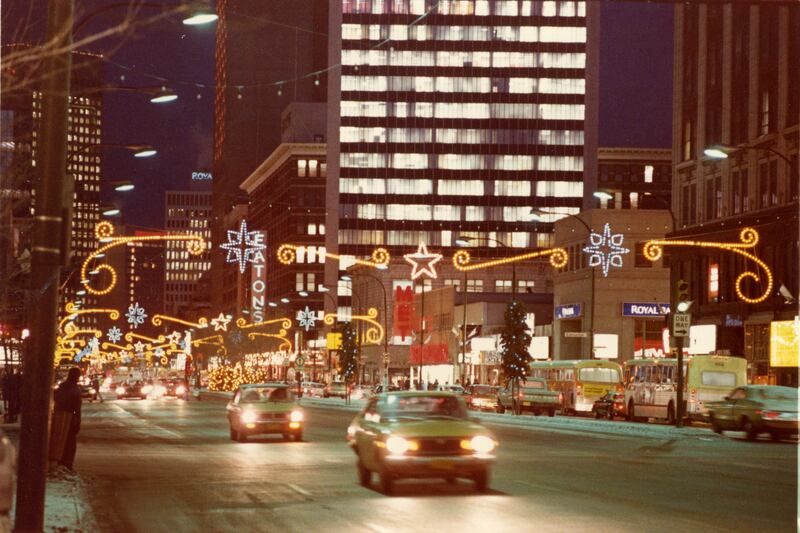
It was the late 1960s. Portage Avenue was lit up in colourful lights, its sidewalks bustling with holiday shoppers darting between Woolworth and The Bay.
But Eaton’s was the main attraction for Sigurdson and so many others.
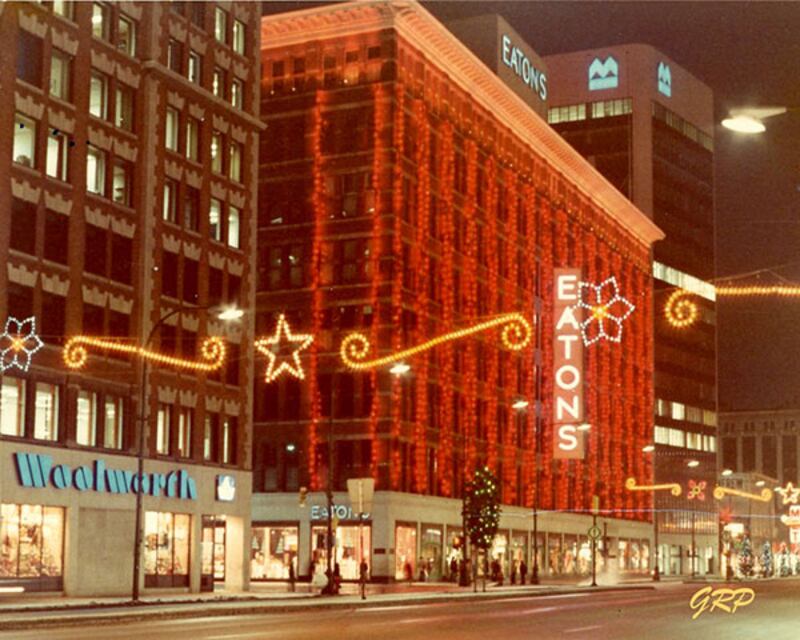
Past the heavy, revolving doors, amid the steady churn of the escalators, the store seemed to transform into a Christmas card.
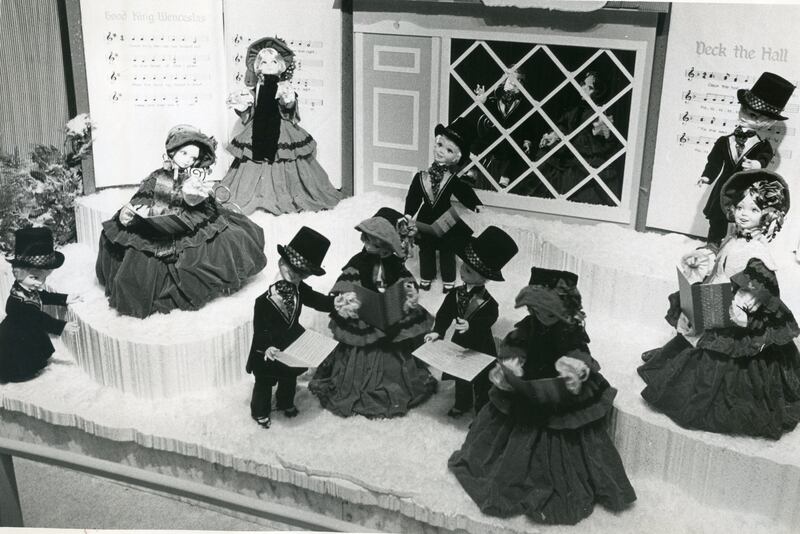
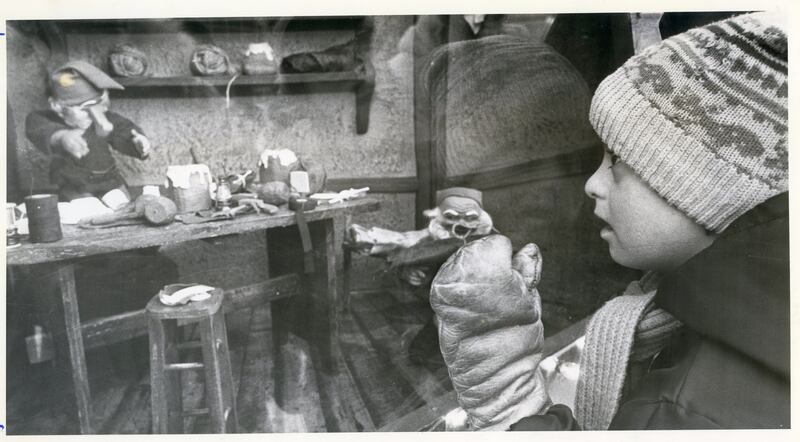
Moving fairy tale vignettes, from Cinderella to Little Red Riding Hood, came to life on the ninth-floor annex. The basement housed a seemingly endless stream of Christmas confections, while the toy floor, dubbed Toyland, was nothing short of a euphoric paradise for kids like Sigurdson.
“It was magic to me,” she told CTV News.
The reason for the proverbial season, and the outing, was Santa Claus.
Sigurdson and her family made a trip to Eaton’s every year in the run-up to Christmas Day. After all, everyone knew the “real” Santa was at Eaton’s, Sigurdson recalled.
“I always remember telling him I was good all year, although that might’ve been a little white lie,” she joked.
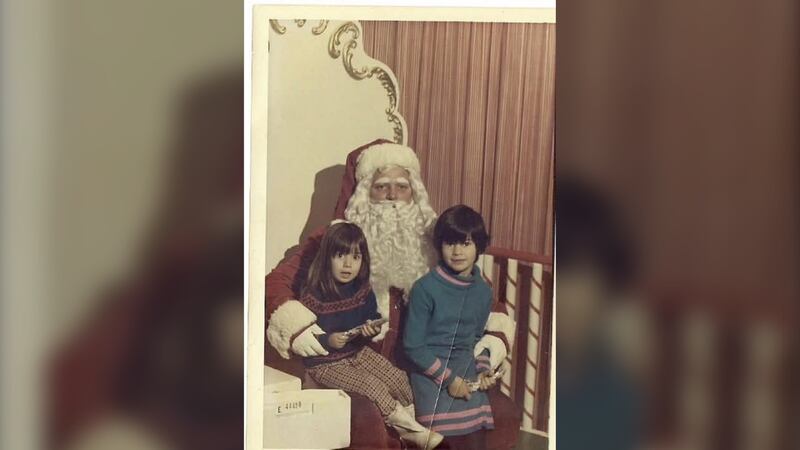
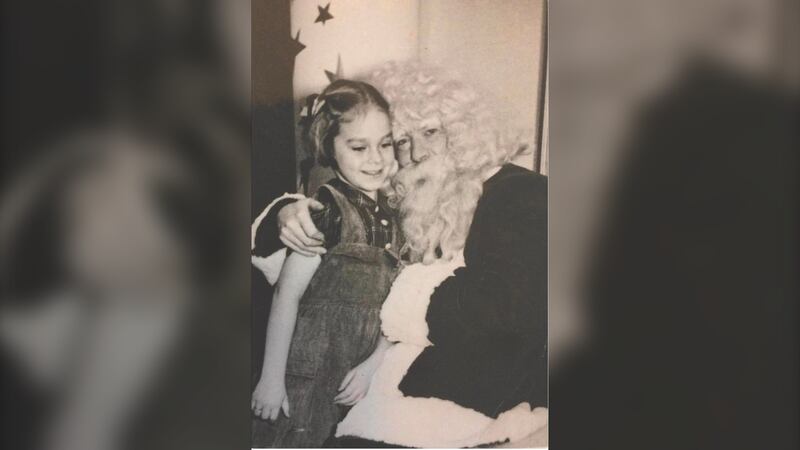
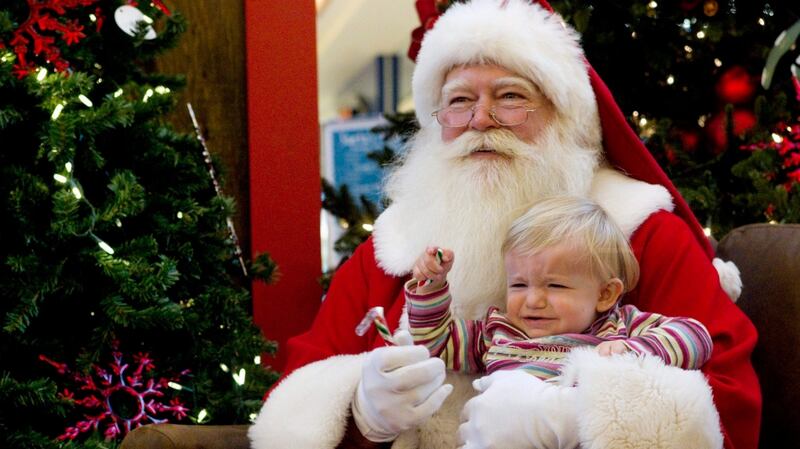
After the plea for toys and treats came the picture, as Sigurdson and countless other children at department stores across the country smiled alongside the big guy in red, immortalizing the moment on film.
Santa Claus is comin’ to town
Decades later, it remains a cherished Christmas tradition that prevails, though the department stores that once served as the backdrop for the merry and bright rite do not.
But how did this storied holiday tradition begin?
Historian Gerry Bowler, who has written several books on the lore and legacy of Christmas, says the first retail Santa is believed to have landed his sleigh at a store in Philadelphia in the 1840s as a means of drawing folks inside to shop for dry goods and confections.
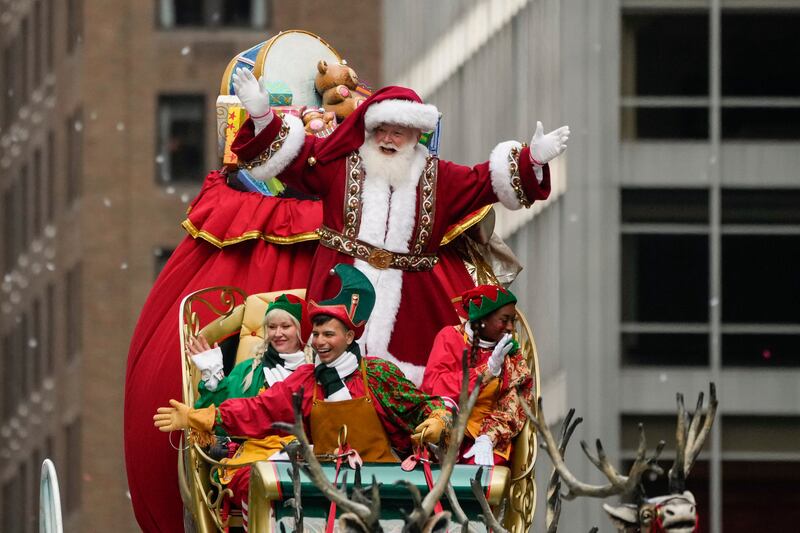
The merry marketing ploy was quickly gobbled up by other stores throughout the country and spread to shops and window displays across North America.
But the commerce-Claus tie-in really took flight in Canada at the beginning of the 20th century.
It was Dec. 2, 1905, when Santa Claus’ sleighs, two of them to be exact, first travelled down Bloor Street West and Portage Avenue in separate parades.
“Everybody in the business knows that the first Santa Claus Parade was in Toronto in 1905, but everybody forgets it was the same day in Winnipeg,” Bowler explained.
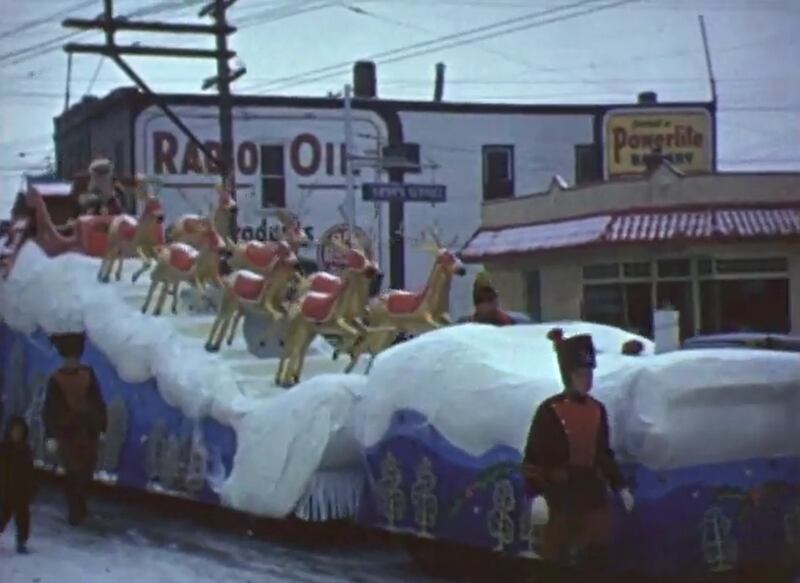
They began hours apart, with Santa’s routes starting at Winnipeg and Toronto’s respective train stations and ending at each city’s downtown Eaton’s.
Once at the iconic department stores, Santa would perch himself there for the season, ready to receive boys and girls with wish lists in hand accompanied by parents ready to buy.
By Bowler’s estimation, Winnipeg’s inaugural Santa Claus Parade one-upped the Big Smoke’s thanks to some creative publicity.
“The Winnipeg store, days ahead of time, published news reports from Santa as he was coming down from the North Pole to various places,” he said.
Babes in Toyland
The parades helped usher in the golden age of the department store after the Second World War, when troops were home and consumers moved from wartime sacrifice to retail abundance.
It was around this time, Bowler said, when a photo with Kringle was added to the department store’s holiday offering.
“People would flock downtown to check out the windows in places like The Bay and Simpson’s and Eaton’s,” he said. “And from then, it became customary to have photographers at hand.”
Judi Parry remembers that era well.
Each December in the late 1940s and early ‘50s, her mother bundled up her and her sister. She led them aboard the bus headed downtown to Eaton’s. The store’s windows housed dancing bears, elves, sleighs and Punkinhead, Eaton’s bygone bear mascot.
After a quick rub of Timothy Eaton’s bronzed, sculptured shoe for good luck and a ride up the elevator, dinging as it opened its doors on the seventh floor, Parry was front and centre with Saint Nick.
“He had to know what our wishes were so that there were no mistakes. My sister would always ask for intellectual gifts — games, books, and puzzles. My request was as plain as me — a baby doll,” she recalled.
Santa at centre court
As the decades marched on and retail habits evolved, Eaton’s and countless other department stores shuttered, rerouting Santa’s sleigh to other shopping hubs.
Corey Quintaine remembers visiting the Brandon Shoppers Mall in the late ‘70s to watch Father Christmas turn on the shopping centre’s light display to mark the official start of the giving season.
Quintaine spent so many holiday seasons to come at that very mall, bending Santa’s ear about that year’s coveted gift.
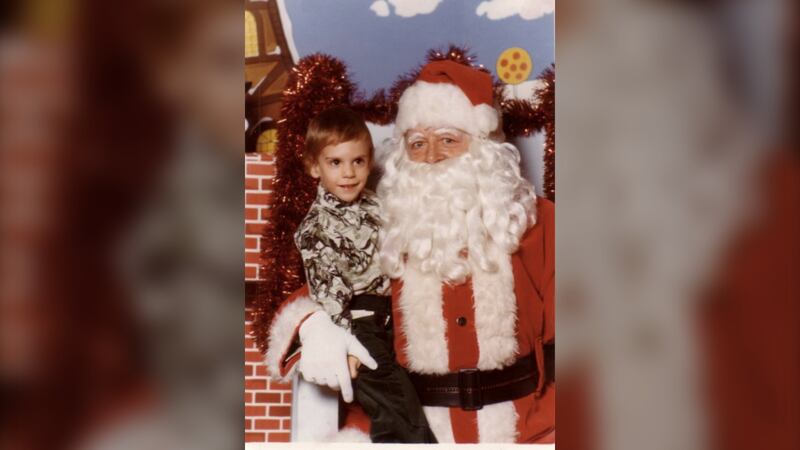
“I think I was one of those kids that was pretty okay with Santa, especially once you realize what Santa can do for a little guy at Christmas time with presents,” he said.
He went on to work as a display manager at the Brandon Eaton’s store, arranging its final Christmas window displays before it closed its doors for good in the late ‘90s.
Today, Quintaine owns an impressive collection of Eaton’s memorabilia, from catalogues to the sign that hung over Winnipeg’s flagship store on Portage Avenue.
“It just takes me back to just the magic of the department store. It’s something you don’t see as often these days, but it really was just a magical place to be.”

Santa in the 21st century
Still, a camera-ready Santa can be found holding court at centre courts of countless shopping malls, though Bowler notes those brick-and-mortar retail models are under similar threat of extinction, thanks to the boom of online shopping.
“Christmas sanctifies consumption. We like to get stuff, but Christmas unites giving with family togetherness,” he said.
However, it’s not just centres of commerce that draw in Claus.
Santa is known to host photo shoots at community centre pancake breakfasts, office parties, holiday bazaars and pet shelters.
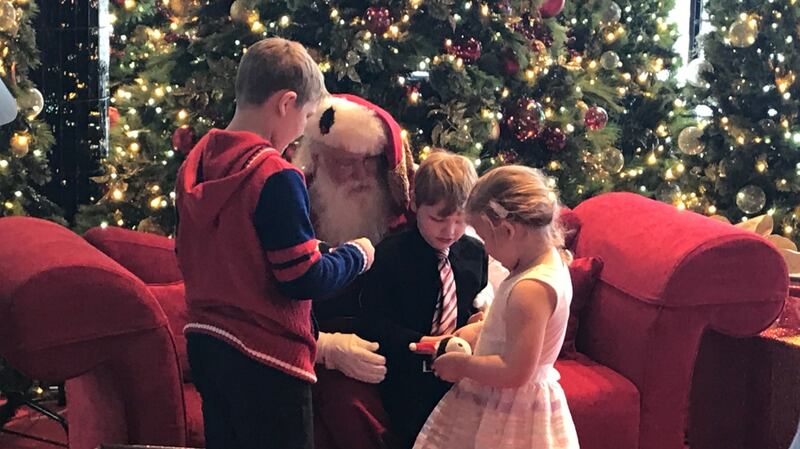
Some even offer special sensory sessions, for those who may find the typical Santa photoshoot overstimulating, like kids on the autism spectrum.
“Lately, there’s been an effort to make the scene more welcoming,” Bowler said.
He’s making a list
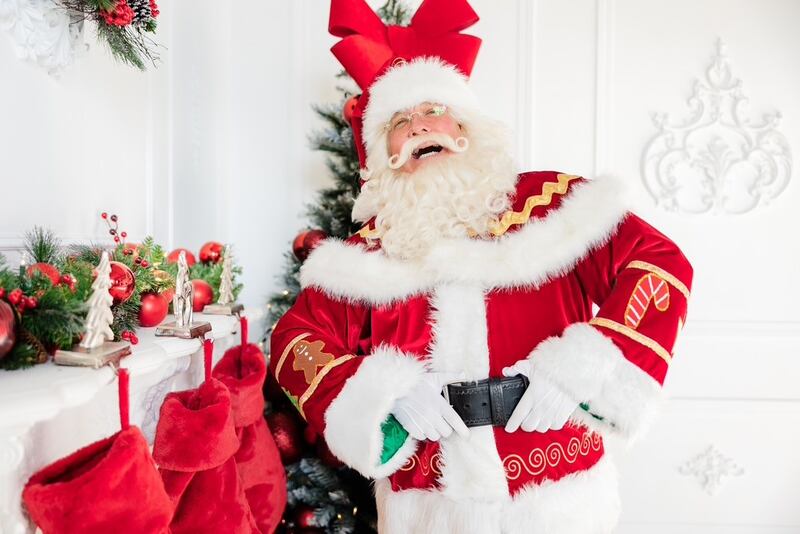
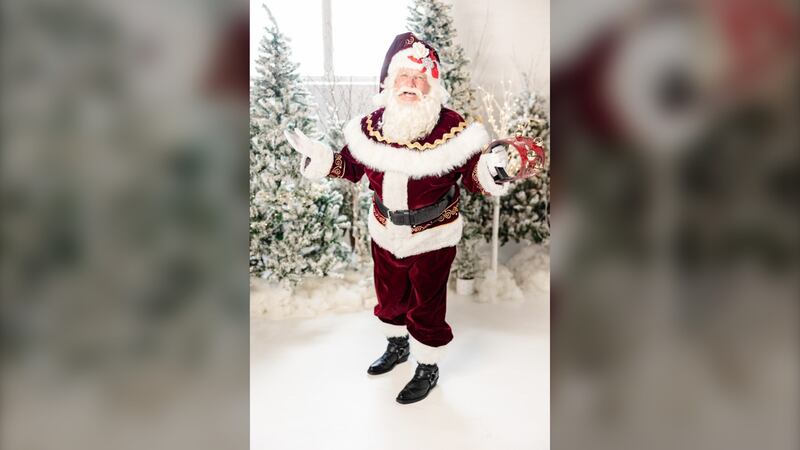
Santa Alan Sideen is one of the many proud men in red who suit up each holiday season, ready to pose with the hordes of Winnipeg kids who come to visit him.
Through the hustle and bustle of numerous holiday seasons, he’s seen it all, be it overly “spirited” parents growing impatient in line to the diapered, daunted little ones who leave a keepsake on Santa Alan’s knee after they’ve left.
“We always have to carry two pairs of pants, two pairs of gloves, and so on,” he said with a slight chuckle.
But the encounters that really resonate are with those whose Christmas wishes can’t easily be found in a store.
“One little boy said he wanted his dad back,” Santa Alan recalled.
“One mom told me about her premature son, who fit into doll’s clothes when he was born. He’s getting bigger but still has health concerns. Some people wait in line to say their final farewell to Santa. We always hear stories like this.”
A blue Christmas
Encounters like these seem to characterize a certain seasonal struggle, when grief and hardship can feel particularly punctuated by the expected joy and merriment of the holiday season.
According to a 2022 survey by the Canadian Mental Health Association, about 52 per cent of respondents found the holidays impacted their overall mental health, while a quarter experienced increased feelings of anxiety during the holidays.
“It’s a time when there’s so much celebration and so much consumption that it’s easy to see what you have not or when you have less of,” explained Sara Riel Inc. executive director Shana Menkis.
“It’s also a really evident time when the people or relationships that you want are maybe lacking or missing in your life.”
‘A wonderful gift’
Still, Santa Alex said hearing such heavy wishes, while clad in a red satin suit and patent leather boots, is not a burden but a privilege.
“It’s a beautiful responsibility that Santa has to have now in today’s world,” he said.
“We live in a fast-paced society, a drive-through window culture, instant gratification, so Santa has to have three ears because sometimes nobody else is willing to listen to that mom or dad or little boy or girl.”
Bowler agrees Santa plays a vital role for kids and kids at heart.
He believes the man in red’s mythology — one that personifies magic, gratitude, and a certain consumerism — is an enduring one.
“It’s an astonishing thing that parents have chosen to continue this story from generation to generation, and they will deflect gratitude from themselves to this magical midnight gift bringer,” he said.
“The Santa Claus story in itself, I think, is a wonderful gift to kids.”