Saskatchewan potash producers are making their case as to why Americans need Canadian potash, in light of U.S. President Donald Trump’s most recent trade threat.
Trump told reporters he would place “severe tariffs” on Canadian fertilizer if it was needed to bolster the U.S. fertilizer industry.
Potash, which is used for fertilizer, is one of three critical nutrients needed for a healthy crop. Saskatchewan is the world’s largest producer of it.

“U.S. farmers depend on Canadian potash and Canadian farmers depend on U.S. phosphate,” the Saskatchewan Mining Association (SMA) said in a statement.
Both countries rely on cross-border trade to secure supply of the critical nutrients.
“Potentially imposing tariffs on fertilizer will increase costs for farmers, strain supply chains and ultimately raise food prices for consumers,” SMA said.
The U.S. is Canada’s biggest fertilizer buyer. About half of Saskatchewan’s total potash production is sold to the United States.
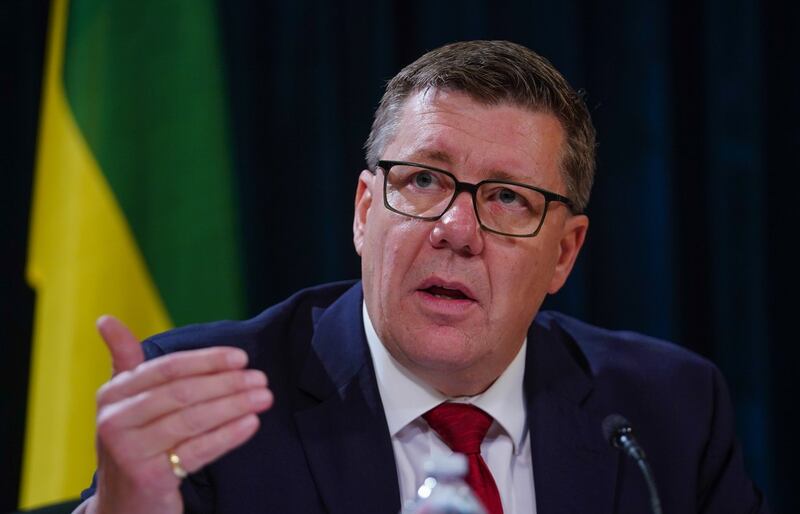
When asked about the tariff threat on Tuesday, Saskatchewan Premier Scott Moe said the “logical path forward” is to stay calm in what he called a “very erratic conversation at times.”
“You need to take the president very seriously, but maybe don’t take him literally on everything that he says,” Moe told reporters.
“The goal here is for free, fair and open trade. The goal here is not to take the bait, so to speak, on everything that is mentioned.”
The U.S. produces about 400,000 metric tons of its own potash, annually. It imports millions of tons more from Canada to meet the demand for fertilizer.
“I just don’t think there’s any way you could scale that capacity up tenfold in the matter of a few months,” said Stuart Smyth, an agricultural and resource economics professor at the University of Saskatchewan.
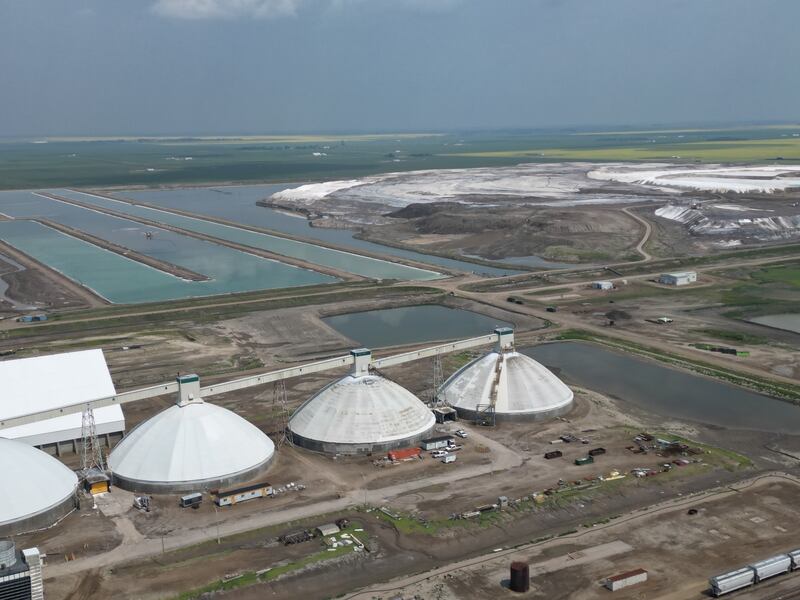
Some farmers in the southern U.S. will begin seeding their crops in February. Tariffs could cut out a big chunk of their fertilizer supply or raise input costs.
If Trump were to follow through on the fertilizer tariffs, Smyth said it would likely force Canadian potash companies to cut back on production and possibly lay off staff.
“Given that we export about 50 per cent of our potash to the U.S., I think like most things, it would be very difficult to pivot in a few months,” he said.
According to the SMA, fertilizer supply can’t be replaced quickly, and developing new potash mines can take 10 to 15 years.
The mining association said it will continue to monitor the trade developments.

