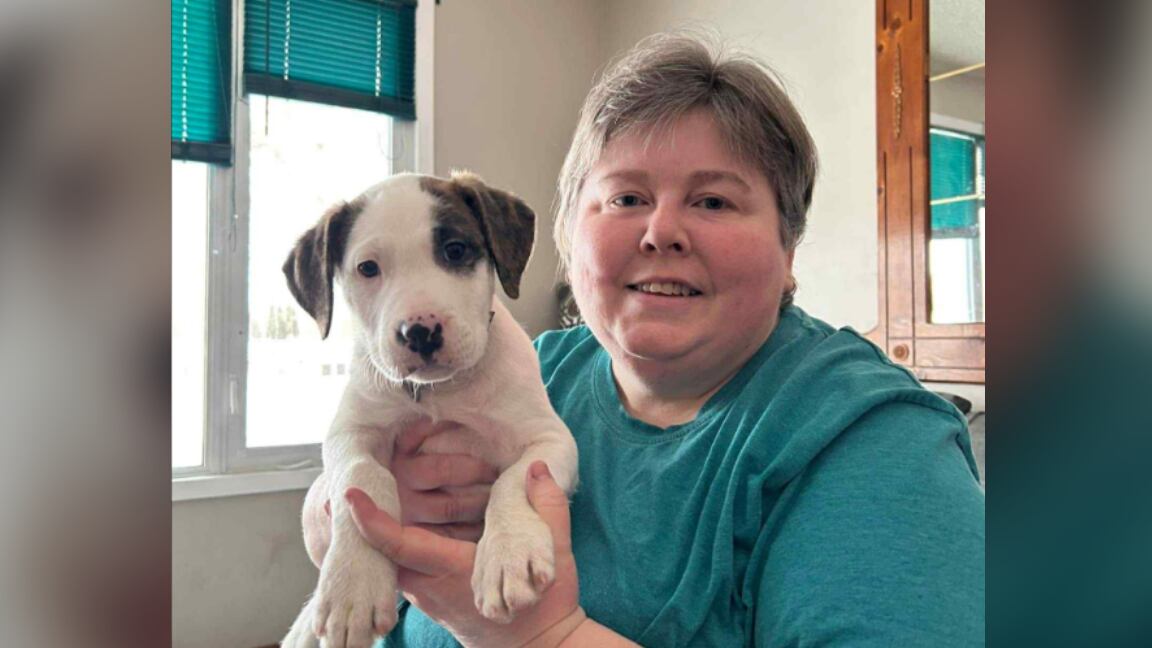
Ten years ago, Shannon Sylvester decided to open her home to a foster dog for the first time.
She was already volunteering at the Pembina Valley Humane Society in Morden, Man., but was having a hard time.
“I was doing cat chores, actually, and I have severe chronic migraines, and I was just missing so many of my volunteer shifts, and it wasn’t fair to the other volunteers,” she said.
The migraines were so debilitating that her doctor advised permanent medical leave.
Volunteering had been a way to care for her depression — an all-too-common side effect for those living with the type of chronic pain that Sylvester does.
Still wanting to help the shelter and be close to the animals she loves so dearly, Sylvester decided to give fostering a try.
“The rest is history,” she said.
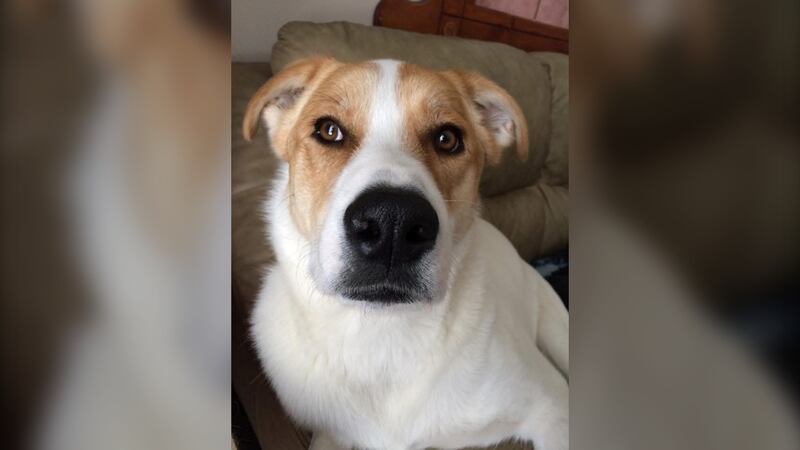
Ever since, it’s been a seeming revolving door of pups big and small coming through Sylvester’s home.
To date, she and her husband Ian have fostered 58 dogs.
“If they get adopted, I usually bring another one home the same day. There’s never an empty spot,” she said.
Shelter manager Jennifer Young said fosters like Sylvester are the lifeblood of their work.
“You are saving an animal’s life,” Young said.
“Every time a dog or cat is adopted or fostered out, that opens up another spot for us to bring in and save another animal, so it’s absolutely an amazing thing that happens.”
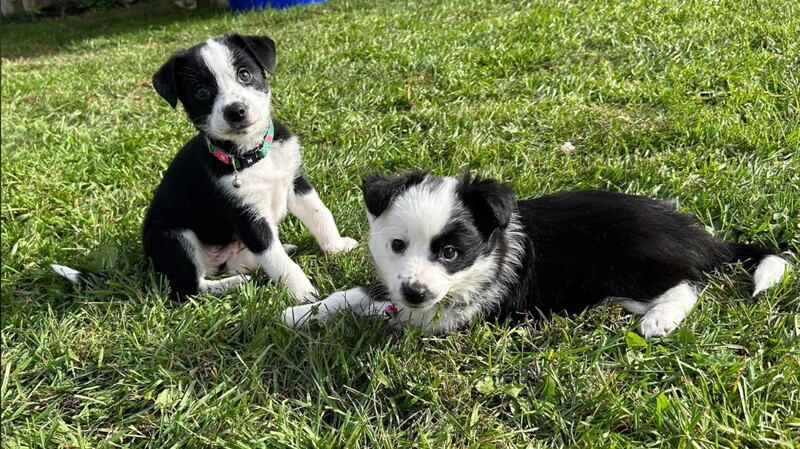
Sylvester is quick to note that fostering comes with its fair share of challenges, especially when caring for untrained puppies that tend to answer nature’s call in inopportune places or help themselves to an odd snack.
“We did have one foster that did eat the cushions on our couch. Not the pillows, the actual cushions,” she said.
Feces and furnishing aside, Sylvester said it’s all worth it.
“It’s a reason to get out of bed in the morning,” she said.
“And they have such unconditional love for you, so even if you’re upset with them for peeing on the floor for the 100th time that day, they still love you.”
With files from CTV’s Joseph Bernacki