Eyes in the Darkness: The hidden cost of roadside zoos is a five-part series that investigates the concerns surrounding roadside zoos in Canada.
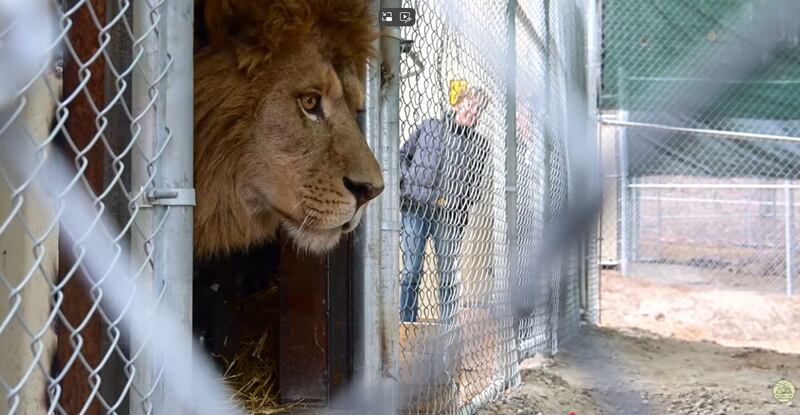
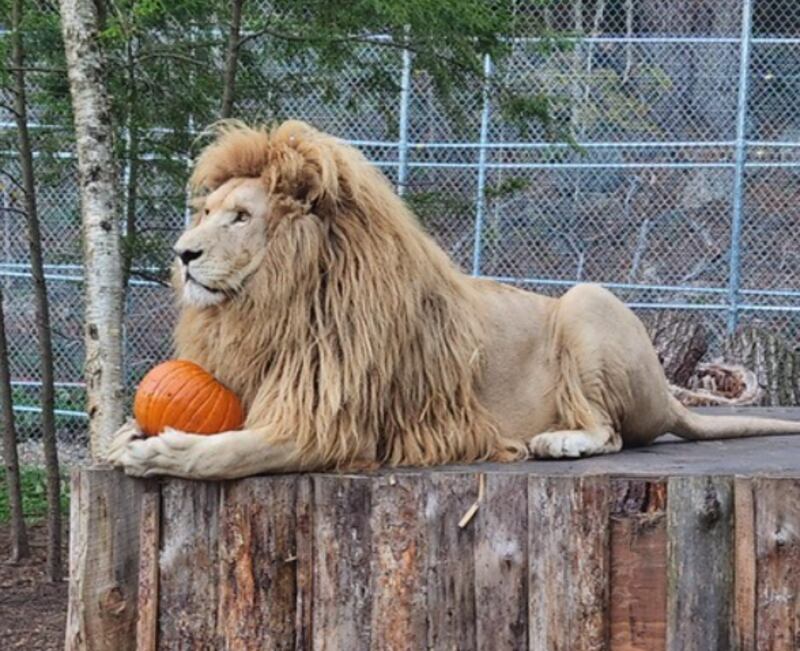
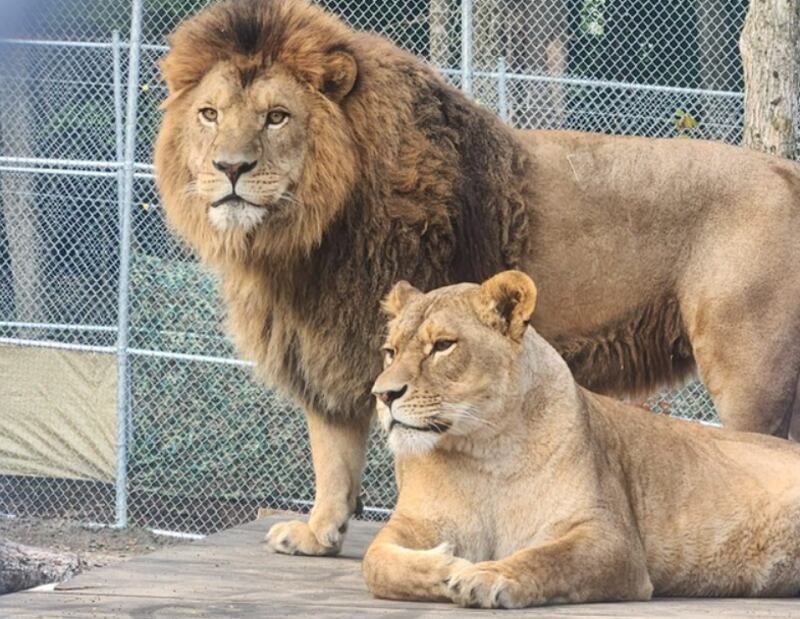
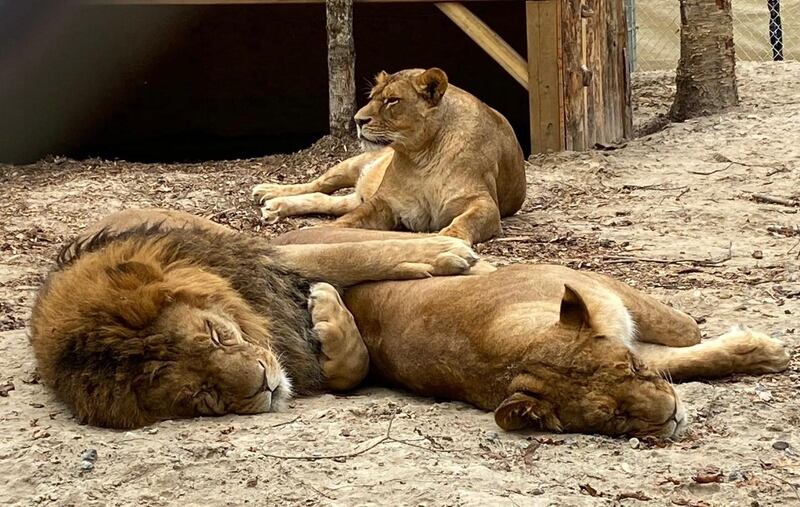
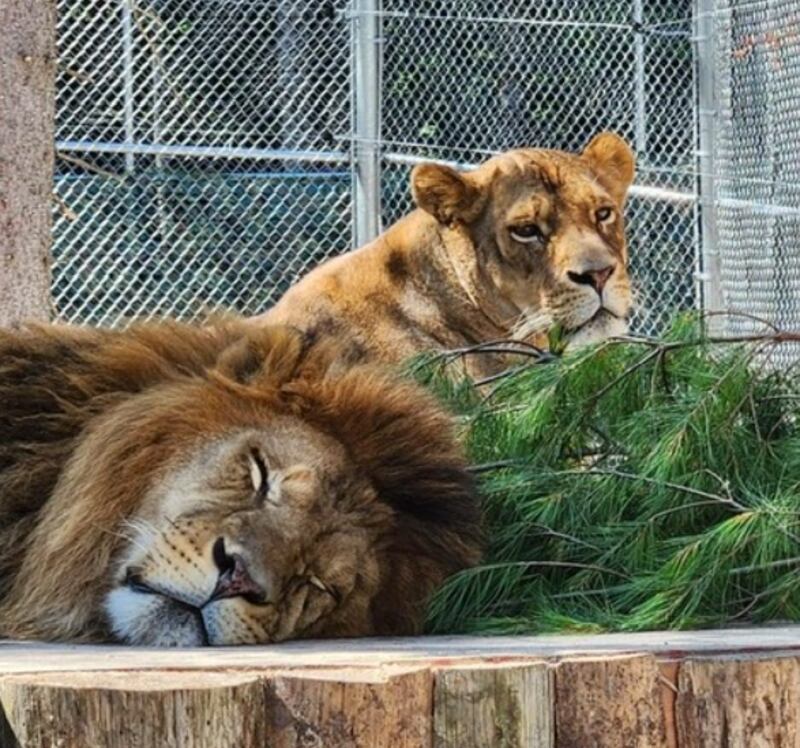
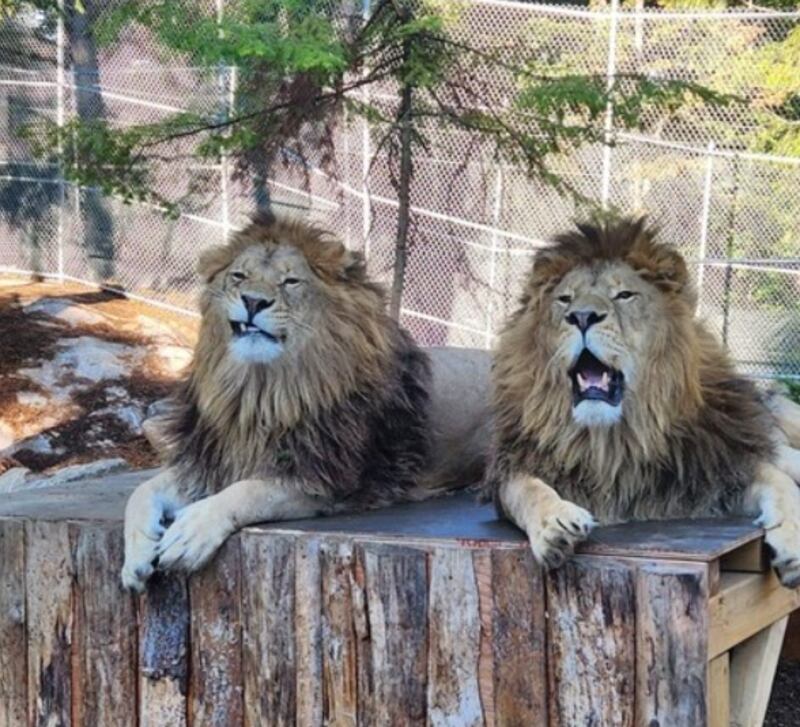
For seven lions, the long journey from a dilapidated Quebec roadside zoo to a new life spans across the U.S. border and involves three sanctuaries and a global non-profit dedicated to animal welfare.
“Humane World (for Animals) actually contacted us about a roadside zoo. It had previously been shut down. Somehow animals were acquired again and the lions all needed to be confiscated,” said Turpentine Creek Wildlife Refuge animal curator, Emily McCormack.
“So, we partnered with Humane World, and another animal sanctuary in the U.S. — called the Wildcat Sanctuary in Minnesota and then Aspen Valley Wildlife Sanctuary in Ontario.”
Aspen Valley Wildlife Sanctuary is a Muskoka, Ont.-based non-profit that is dedicated to rehabilitating sick, injured, and orphaned wildlife, providing permanent homes for those unable to return to the wild. It also educates and promotes awareness about wildlife conservation.
Building space for giants
Located on 460 acres of natural habitat, Aspen Valley was started back in 1970 by a schoolteacher from Parry Sound.
Throughout the past 50 years, it’s been run by a group of staff and volunteers and in 1989, became a registered not-for-profit charity. Regardless of the size, it did not have an appropriate space for massive animals like an African lion, let alone seven of them.
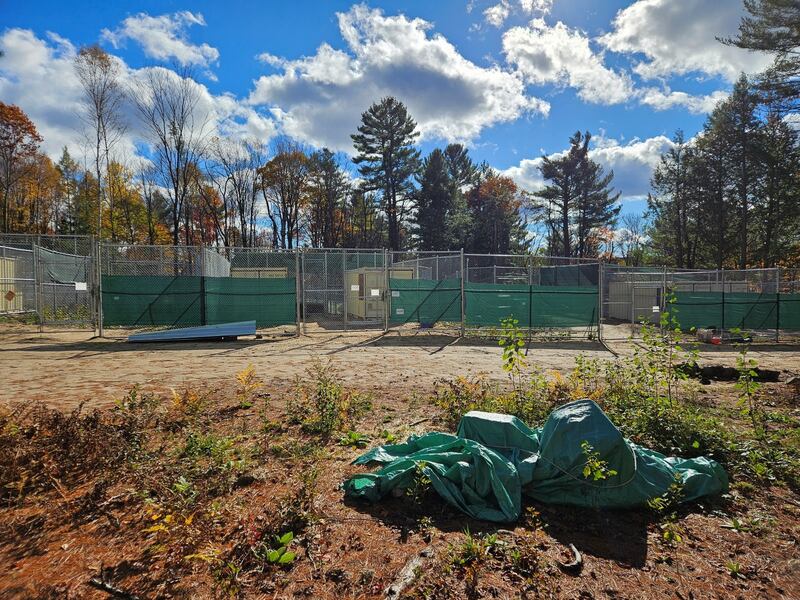
So, construction began.
“This (was) an operation that was going to take hundreds of thousands of dollars to execute from beginning to end, and so we needed to find really great partners,” said Humane World for Animals Canada executive director Rebecca Aldworth. “To me, it’s a really good example of what can happen when everyone works together to make the impossible possible.”
“When we found out about this rescue, it wasn’t until the end of January and we had a very tight timeline to have all of this done by the end of April,” said Janalene Kingshott, director of animal welfare at Aspen Valley Wildlife Sanctuary.
That deadline was set by the owner of the Quebec-based roadside zoo, who said he wanted the animals gone by the end of April or they would be euthanized.
The toll of captivity
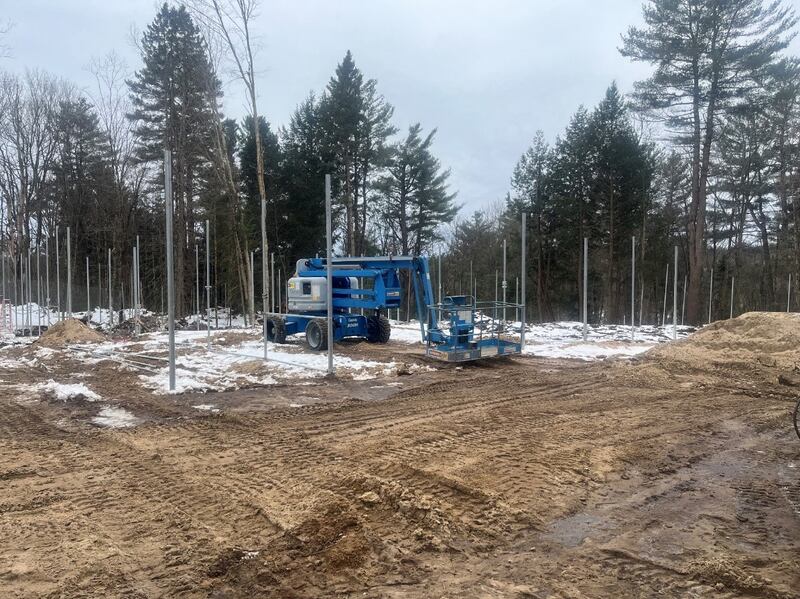
Funded by Humane World for Animals, construction began on the Aspen Valley property, building enclosures for the apex predators.
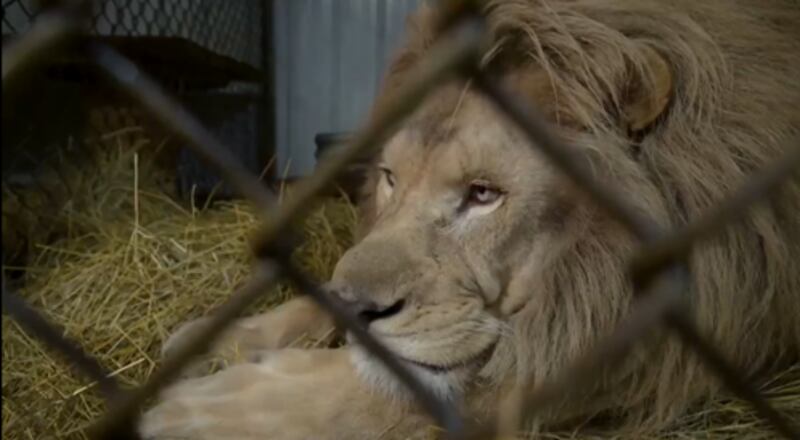
The seven lions may have survived the conditions of the roadside zoo, but the way they were forced to live took a toll.
“They were extremely overweight, which is just as bad as finding a starving animal, but at the same time, we’re talking about lots of snow, harsh winters. These are African lions,” said McCormack of Turpentine Creek Refuge in Arkansas.
Additionally, being locked in the small spaces, with high ammonia levels from the urine, led to very poor conditions, said Tammy Thies, founder and executive director of the Wildcat Sanctuary in Minnesota.
Valuable partnership
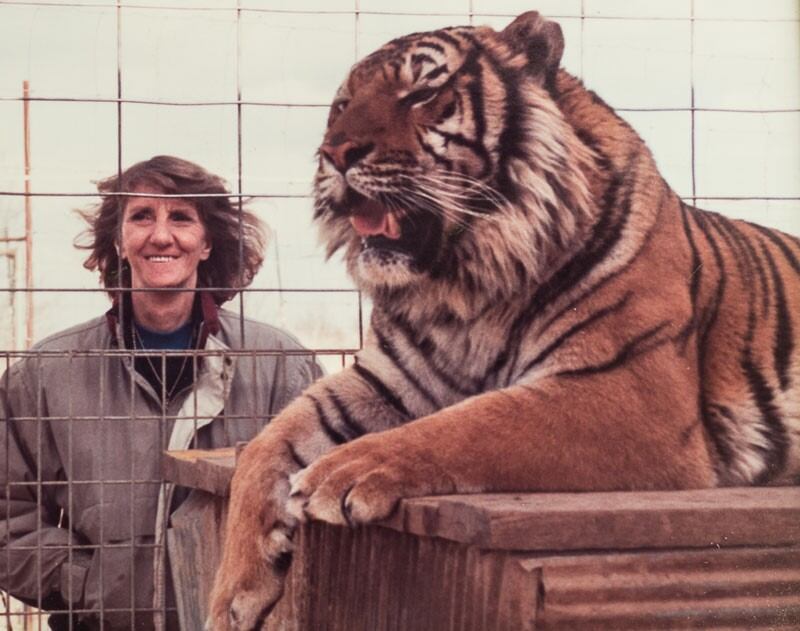
Turpentine Creek was founded in the 1980s by the family of a former Dallas Zoo employee — Don Jackson — who was given a tiger named Bum after he became too large for the person who purchased him on the black market.
Jackson built an enclosure in the family’s backyard.
In 1991, an infamous breeder and black-market dealer running from the law showed up at their doorstep. She had 42 lions, tigers, and cougars crammed inside three cattle cars.
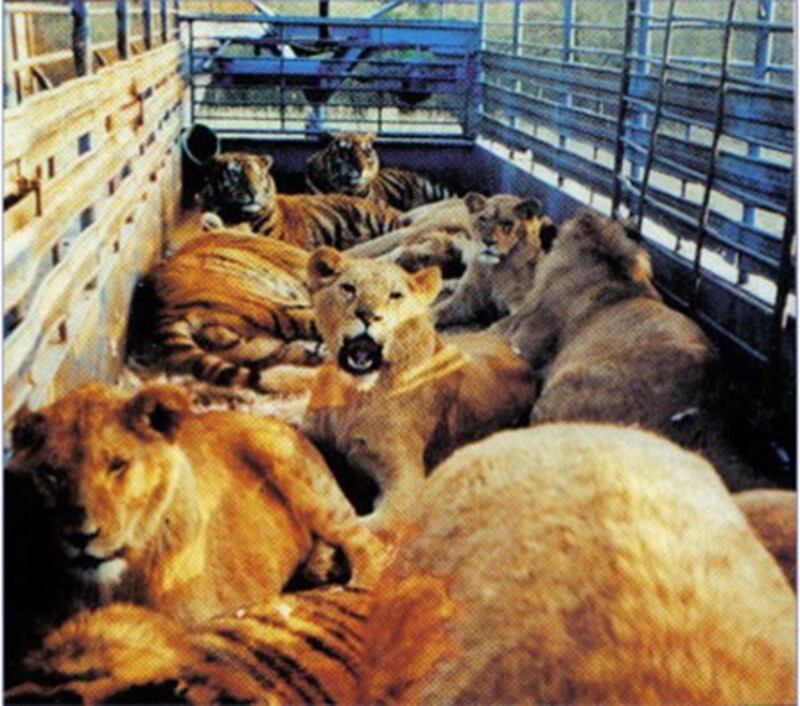
The Jacksons knew they had to help these animals. Almost overnight, the Jacksons moved to a 460-acre ranch in the wondrous hills of the Ozarks. During the next year, they built the sanctuary that would become Turpentine Creek Wildlife Refuge.
“Currently we have over 100 natural habitats that range anywhere from 20,000 square feet to 2.4 acres,” said McCormack, animal curator for Turpentine. “As of today, we have 116 big cats and eight bears and one hyena, and they’ve all been rescued from horrible situations — whether it’s roadside zoos, private ownership.”
“Ever since the Big Cat in Public Safety Act passed in the United States, we’ve been working with the government agencies on a lot of these shutdowns of some of these bad, bad places that have been open to the public and allow petting and things like that,” added McCormack.
A lasting legacy in Muskoka
That expertise made this Canadian-based rescue possible.
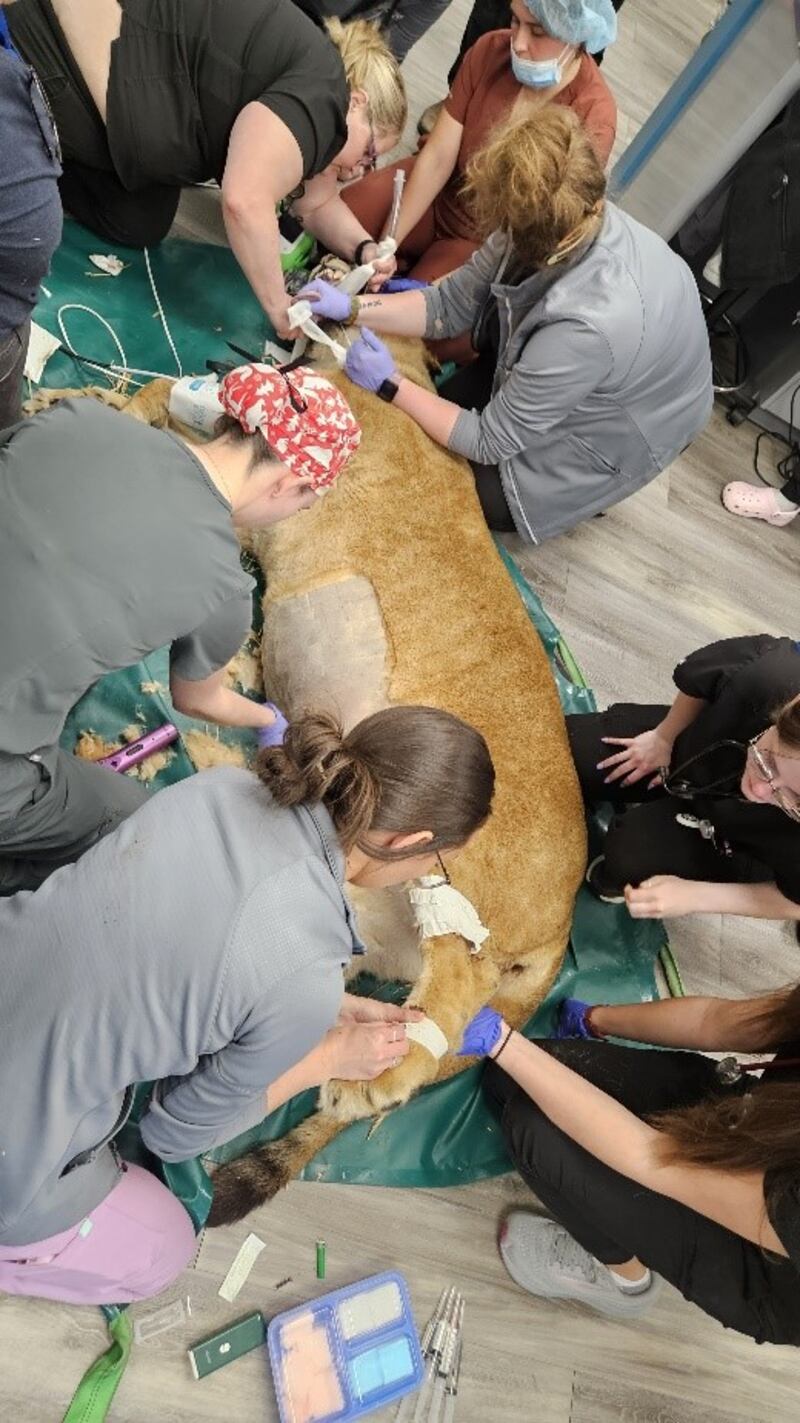
Linda Glimps is the executive director of Aspen Valley Wildlife Sanctuary in Ontario. “The rescue team that came, it was not only their caregivers that are very used to dealing with large cats — that’s what they specialize in, but they also brought their veterinarians with them so this a very carefully, well thought out transport,” said Glimps.
“It was a big ask for this facility and for the staff and volunteers to put this extra workload on but everybody loved these lions right from the beginning — we couldn’t imagine their fate of being euthanized if we didn’t do this so it was worth it,” said Janalene Kingshott, director of animal welfare for Aspen Valley Wildlife Sanctuary.
The Muskoka sanctuary is now the only rehab facility in Canada that is accredited from the Global Federation of Animal Sanctuaries.
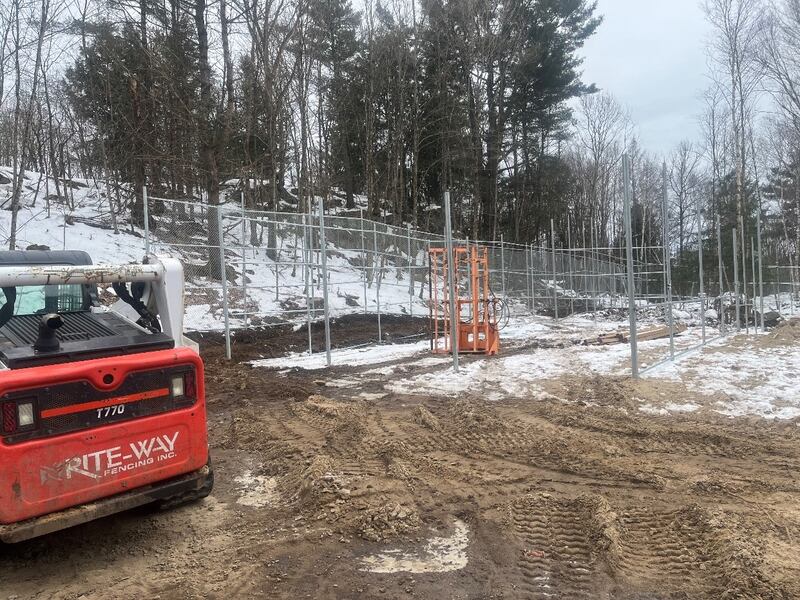
“The posts are permanently in the ground, it’s chain-link, so it’s weather resistant — we are building this not just with the lions in mind but also, this is going to be a rescue centre going forward for many, many years to come,” said Glimps.
And the small sanctuary garnered praise from across North America.
“These sanctuaries have amazing people. I’ve been inspired by a lot of things over the years. I’ve seen a lot of hopeful stories — people stepping in to make change possible, but when you look at the work that the people at Aspen Valley do each and every day to give these animals a new life and a second chance, it’s so incredible,” said Aldworth.
Cross-Border Challenges
Aspen Valley has “helped over 1000 animals a year in rehab and Humane World helped them build these enclosures and pay for the construction, but these people not only have been doing their regular rescue and rehab rehabilitation, but took on all of these lions while we and the other accredited sanctuary you know worked on the CITES paperwork to get those lions to sanctuary forever homes,” added McCormack.
That paperwork, called Convention on International Trade in Endangered Species of Wild Fauna and Flora (CITES), protects more than 41,000 species of animals and plants to ensure that international trade is legal and biologically sustainable.
Laws are stricter in the United States now since the introduction of the Big Cat Public Safety Act enacted on December 20, 2022. It aims to end private ownership of big cats such as lions, tigers, leopards, and jaguars, and the law prohibits public contact with these animals and places restrictions on their breeding, possession, and commerce to enhance public safety and support conservation efforts.
“We wanted (the lions) to be able to live out their lives at accredited sanctuaries and no longer contribute to the surplus - which we call the captive wildlife crisis,” said Founder and Executive Director of the Wildcat Sanctuary, Tammy Thies.
A future still uncertain
“The sad reality is, there are a lot of animals that are in captivity that are not in the best situations or best environments and there’s going to be — we know for sure — there’s going to be other animals that need to be rescued in the future,” says Aspen Valley, executive director Linda Glimps.
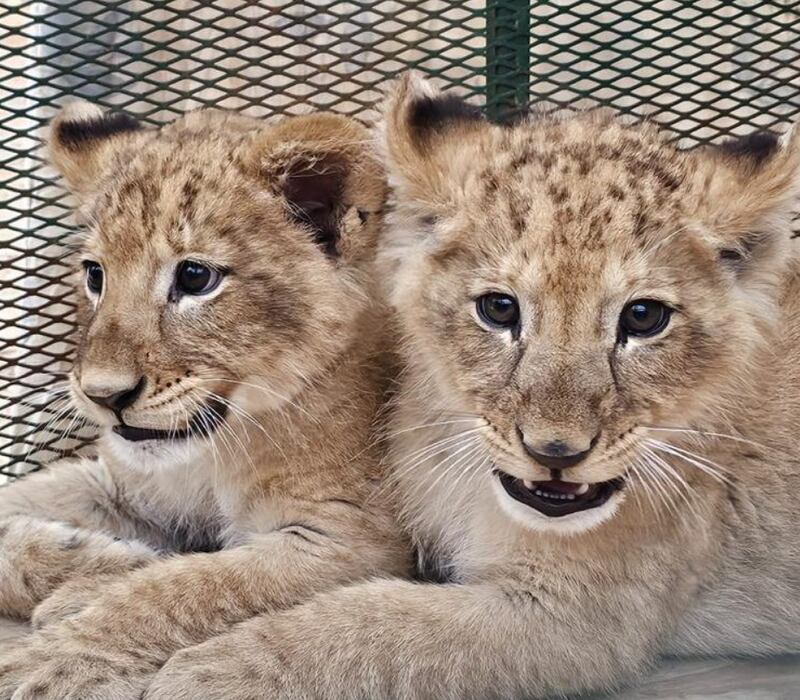
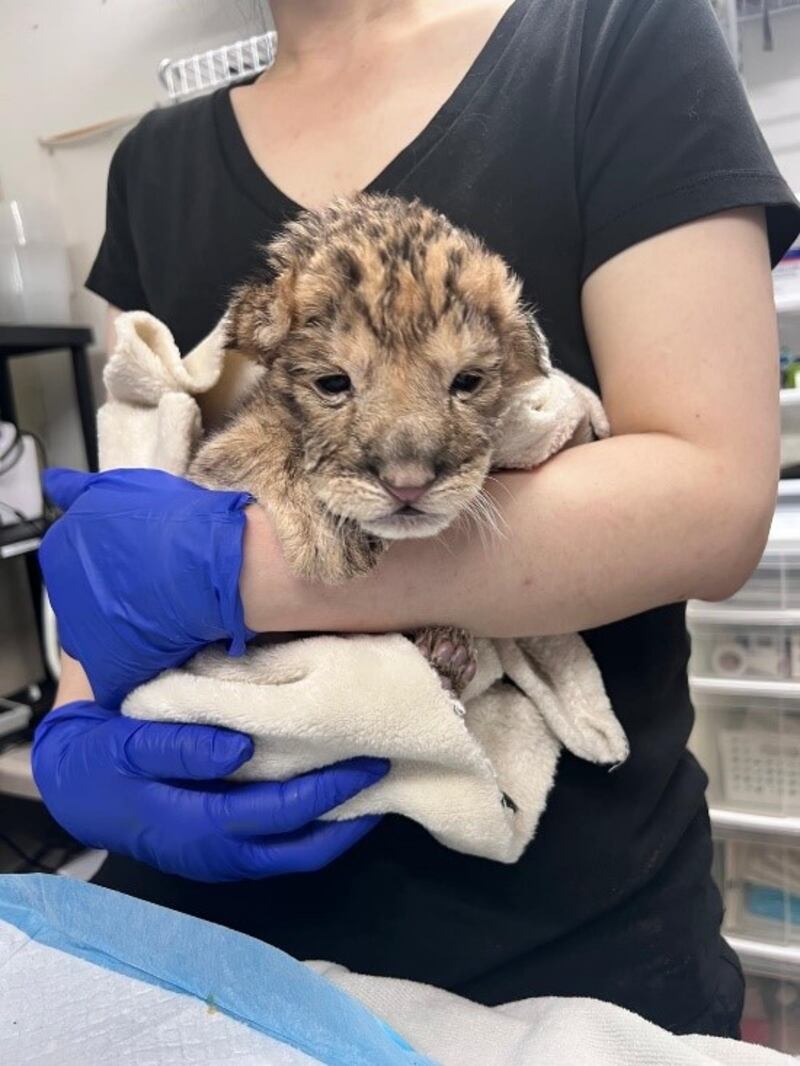
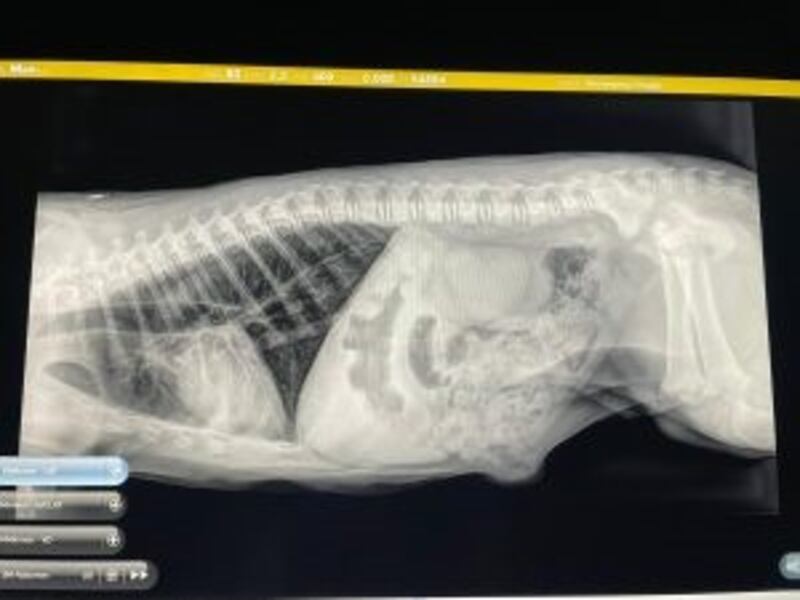
Just as it seemed the nightmare may be coming to an end for this group of African lions — a dangerous revelation. “The single cat had six cubs in her that were all about two weeks overdue, and so it was it was a recipe for disaster,” said Thies of Wildcat Sanctuary.
Three of the lioness’ were pregnant, meaning a need for amended permits to bring the cats that survive across the border to the sanctuaries in Arkansas and Minnesota.
The battle wasn’t over for these African lions. In some ways, it had only just begun.
0 of 14