Eyes in the Darkness: The hidden cost of roadside zoos is a five-part series that investigates the concerns surrounding roadside zoos in Canada.
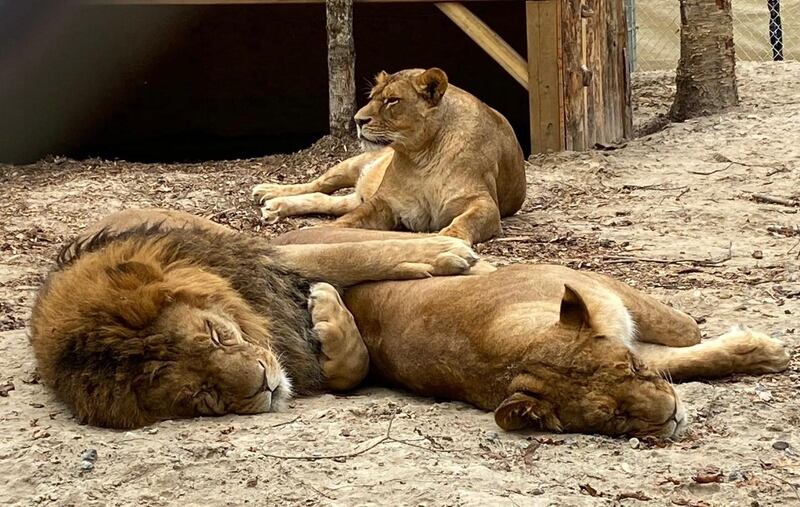
The clock started ticking in January for seven African lions at the site of a former roadside zoo in Quebec, as the property owner aimed to finalize a sale by April.
With construction complete at Aspen Valley Wildlife Sanctuary in Muskoka, three hours north of Toronto, the lions were sedated for travel. During that process, a collaboration of vets from across North America did ultrasounds on the wild cats and discovered three were pregnant, Kim, Kiwi and Nirvana.
Reality of In-Breeding
It was the first litter for three-year-old Kiwi. After hours of labour and only one cub birthed, the veterinarians knew something was wrong.
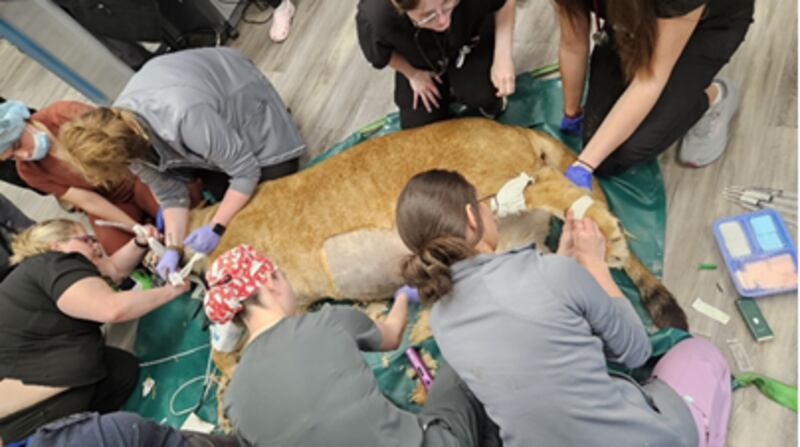
A team of wildlife veterinarians performed emergency surgery on Kiwi and discovered she was two weeks overdue with cubs that hadn’t survived.
Tammy Thies of the Wildcat Sanctuary in Minnesota pointed to in-breeding and Kiwi being a first-time mother as factors.
“Really the cards were stacked against some of these lions,” Thies added. “This is the sad truth that happens with so much of a surplus breeding and roadside zoos.”
The lioness named Kim gave birth to two stillborn cubs.
“They have a 50 per cent neonatal mortality. Fifty per cent of big cat cubs born in captivity don’t make it, and you think of all the mothers that don’t make it because of that,” Thies explained.
Hope for Mango
But from tragedy came a bit of hope, by way of one surviving cub.
“Mango is named after her mother Kiwi, who passed away, so kind of an homage to Miss Kiwi,” said Thies.
The battle wasn’t over for the young cub and she was brought to Minnesota.
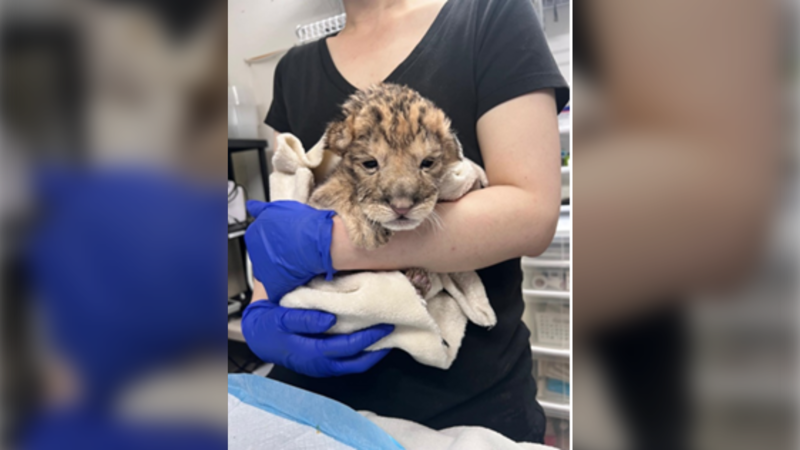
“Mango needed two surgeries for a repaired hernia, so we were able to bring her to the sanctuary first to be able to get those surgeries performed,” added Thies.
The little lioness survived two surgeries for two hernias and a spaying.
Teamwork Saves Lives
Meanwhile, a similar story for another pregnant female — Nirvana — but her birth story was very different and handled by the experts at the Toronto Zoo.
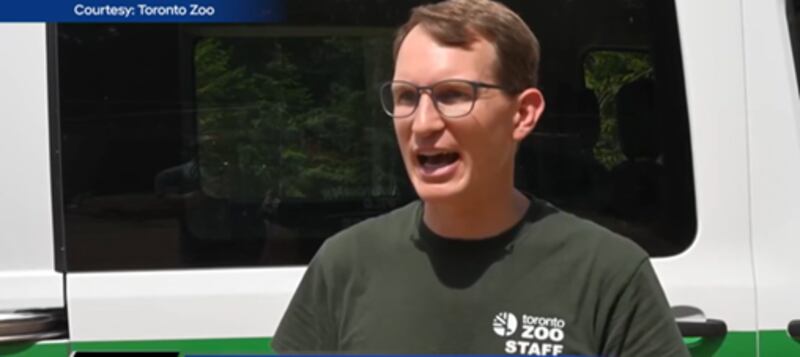
“I have dealt with other pregnant cats, but this was my first lion,” said Brent Huff, the lead keeper of mammals for the Toronto Zoo.
“Thankfully, we have lots of experience dealing with pregnant big cats, so we already had designs for the den that we’ve used for tigers and cheetahs,” added Huff.
“We let her give birth in privacy, but watching her really closely on the cameras, it was a really easy birth, right away showing great maternal instincts,” said Huff.
New Cubs Delay Transport
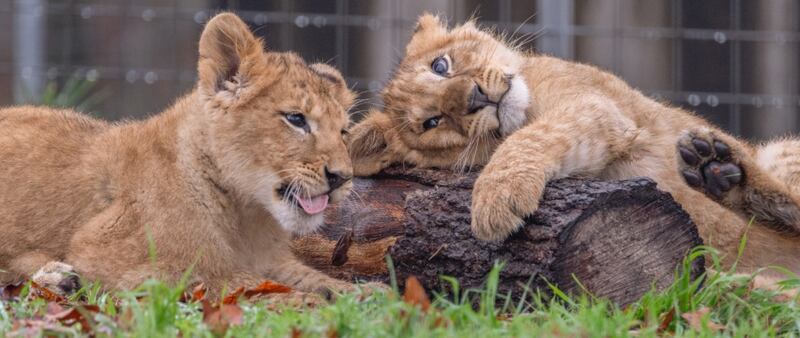
But the addition of the two male cubs to the family — Archie and Reggie — meant travel to Turpentine Creek Wildlife Refuge in Arkansas would be delayed.
“When transporting an endangered animal, you have to obtain a permit to do so, but that permit goes through multiple government processes and it’s time intensive,” said Rebecca Aldworth of Humane World for Animals Canada.
Animal curator for Turpentine Creek Wildlife Refuge, Emily McCormack and her team were getting close to welcoming the family.
“We ended up having our permits all in order and then had to get the permits amended in order to add those two male cubs — to get all of them here and keep that family together,” said McCormack.
Captivity’s Harsh Reality
“In the wild, [lions] would give birth once every two and a half to three years because they raise their offspring till that age,” said Thies.
“In captivity, as soon as they pull the cubs and sell them, they go right back into estrous and they rebreed them, so they’re breeding these cats maybe one to two times a year instead of one every two to five years in the wild and that adds a lot of stress to the animals,” she added.
According to animal welfare non-profit organization World Animal Protection, Ontario has roughly 30 unlicensed roadside zoos, many of which keep animals in substandard conditions.
“I think it’s hard for a lot of people because they might go to a roadside zoo and say, ‘Oh there’s a little lion in a cage,’ and that’s what the whole story is to them, but when you’re in this rescue industry, the whole story is so much more than that,” said Thies.
“It’s when they get sick and they don’t get vet care, when they’re not getting a proper diet, when they’re fighting for food, when they’re in-breeding and then they’re dying during birth.”
For the nine that did survive, the final destination — the United States and their forever homes — was now on the horizon.