Eyes in the Darkness: The hidden cost of roadside zoos is a five-part series that investigates the concerns surrounding roadside zoos in Canada.
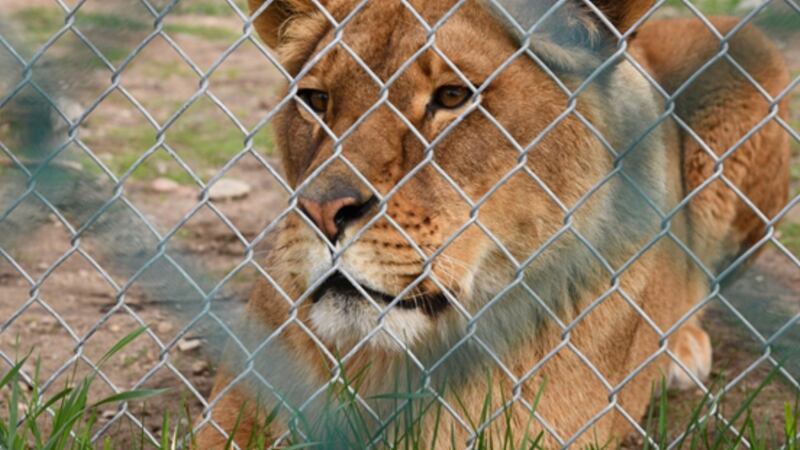
Against all odds, nine lions are no longer trapped in a cold cage during the Canadian winter or displayed at a rundown roadside zoo during the summer. After the better part of a year spent overcoming health issues and waiting on paperwork, the lions have finally arrived at their forever homes.
“Having Mango the cub come here is a miracle,” said Tammy Thies, founder and executive director at The Wildcat Sanctuary in Minnesota. “Little Mango went through two surgeries and a spay and she’s a little ball of fire. It’s sad to see a lion cub grow up by themselves because we can’t put her with adults yet, because if they’re not their own kin they look at them as prey.”
Mango has her own space for her safety, among other reasons.
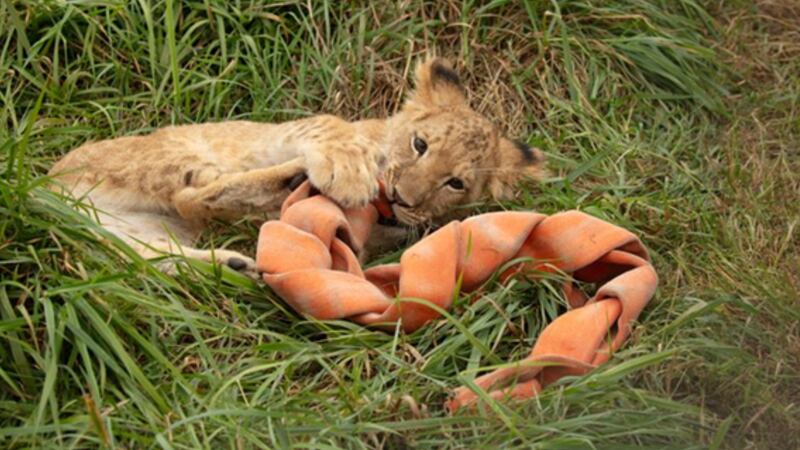
“Once she was weaned — we call it Ferberizing — she’s out there getting a lot of enrichment a lot of stimulation but from outside the habitat,” said Thies. “So, she grows up to be very independent and then our goal is to merge her with a lion pride once she’s old enough.”
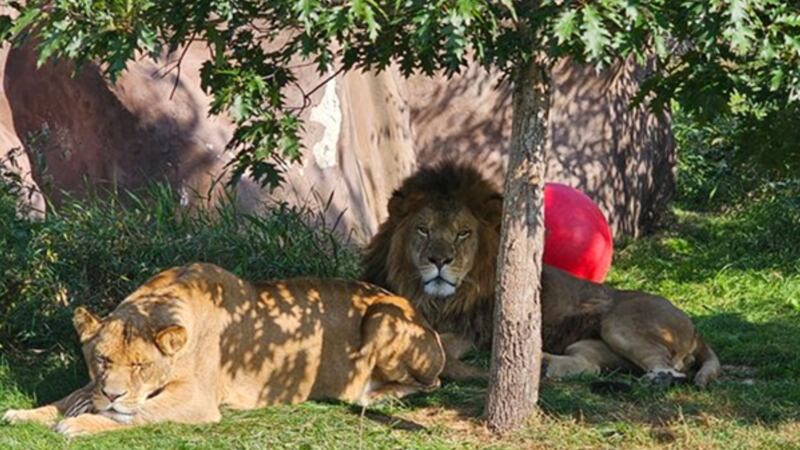
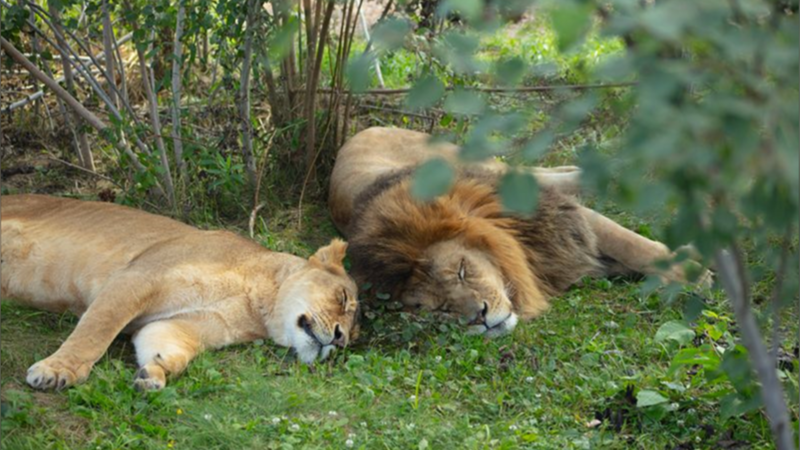
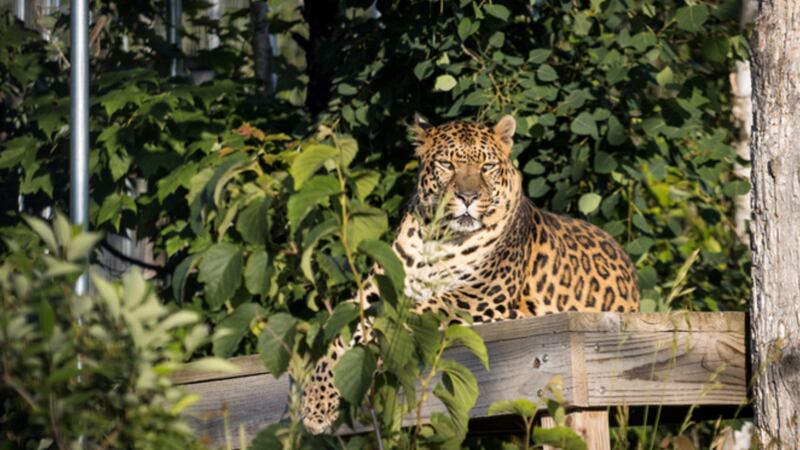
And right there with Mango in Minnesota are lions Kim and Carl, who live together.
“Kim has a birth control implant until we can vasectomize Carl because — an interesting fact is if you neuter a male lion, he’ll drop his mane — and we want him to keep as much about being a lion in captivity as he can,” explained Thies. “He’ll receive a vasectomy and (Kim) will get spayed upon springtime.”
Health and habitat
Accredited facilities, like The Wildcat Sanctuary, do not buy, breed, trade or sell. So, the animals will be ‘altered’ or they will live independently to avoid breeding.
“Our goal is to keep wild, wild, and not have a surplus of animals, living behind cages and captivity that have no conservation value,” said Thies.
With a background in advertising and marketing, Thies founded The Wildcat Sanctuary in 1999.
“I saw big cats being used for photo opportunities,” she said. “They were really commodities and when they weren’t on the leash or in front of the camera, they were sequestered to 10x10 enclosures.”
Thies explained the animals were bred, sold, and traded. “I just thought something has to be done.”
The Wildcat Sanctuary is a no-contact facility, meaning the animals are not treated like pets.
“We really respect them for being lions or tigers or leopards and we try to give them free-roaming space. They have temperature-controlled buildings, and we have an on-site vet hospital,” Thies noted.
“Our staff all have four-year biology-related degrees with training programs, and really, our job is to be here for the cats. It’s not putting our needs above the cats but giving (them) a place to be able to experience being wild at heart since they (are forced to) live life in captivity,” she continued.
Lion family reunited
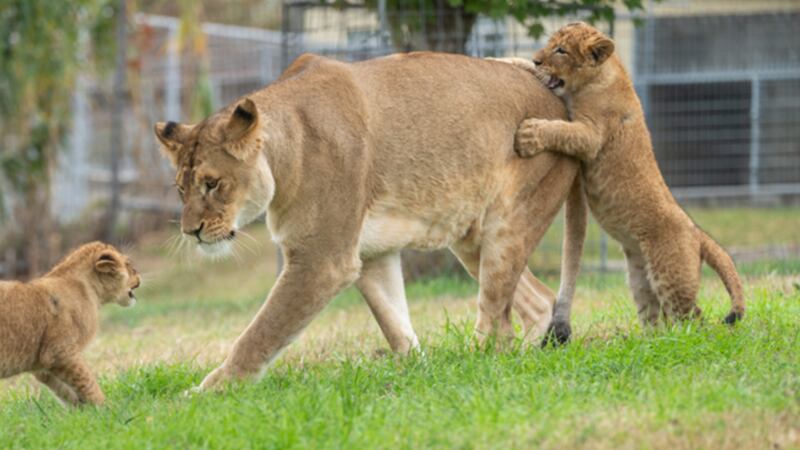
Meanwhile in Arkansas, an emotional reunion between a mother and her two cubs.
“Well, there were tears, I can say that,” said Emily McCormack, animal curator for Turpentine Creek Wildlife Refuge.
“It’s very nerve-wracking, the stress of moving,” she added. “We had to separate (the animals). They couldn’t travel together for fear that she might injure them by accident.”
McCormack said the team was prepared for whatever the outcome. “So, to see them back together and then just trot through the habitat it’s pretty amazing.”
The mother and two cubs weren’t the only family to arrive. Two males, named Scar and Mufasa, also made it to Turpentine Creek Wildlife Refuge.
The lone male
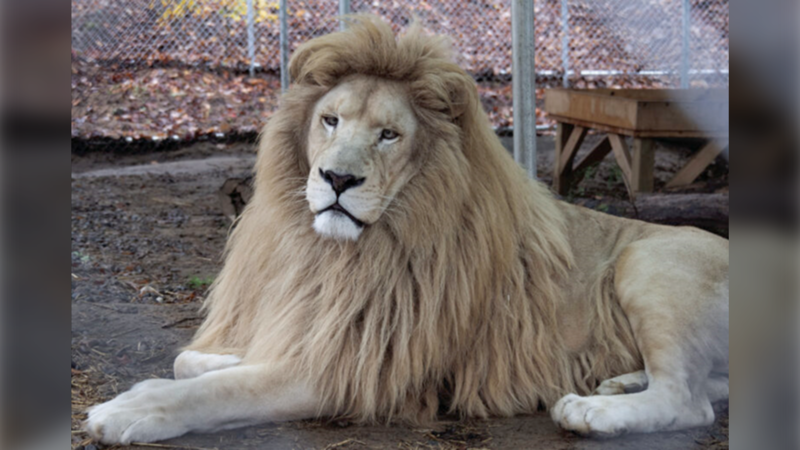
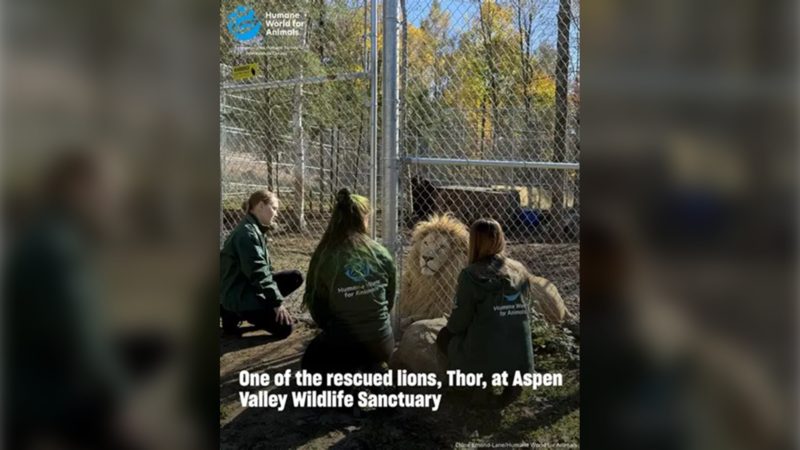
The ninth and final animal to make it to sanctuary was a lone male named Thor, a seven-year-old rare white African lion.
“This is his fourth or fifth home, so he’s never had permanent home. He was used for cub petting or photo ops at an early age, but this is finally his forever home,” McCormack shared.
With 116 wildcats at Turpentine, the teams say there’s potential for the single male so he doesn’t live a life of solitude.
“We don’t buy, sell or breed, but Thor is by himself and so we have a lot of single females here at the refuge, so we could potentially do an introduction — maybe even with Nirvana,” McCormack offered.
“This is it for them. They will never ever have to leave. This is a permanent, forever sanctuary,” gushed McCormack. “We’re one of 10 globally accredited sanctuaries in North America, so that’s the Global Federation of Animal Sanctuaries, and so we give guided educational tours where people can come and see these animals.”
Bittersweet reality
But as happy as this unlikely ending for the nine African lions seems to be, “We all feel bittersweet and we’re so thrilled. We can save them, but I still walk out every day — and even though our sanctuary is beautiful and what we do for them was wonderful — they shouldn’t be living behind a fence,” emphasized Thies.
“It might be a huge fence, but (we need to) prevent more cats from meeting sanctuary in the first place,” Thies added.
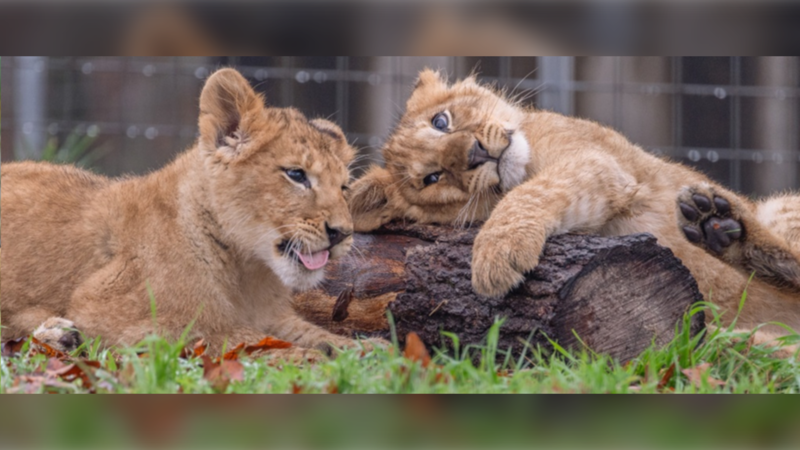
The team at Turpentine Creek Wildlife Refuge says it has more than 100 natural habitats that range anywhere from 20,000 square feet to 2.4 acres. “As of today, 116 big cats, eight bears, and one hyena, and they’ve all been rescued from these horrible situations.”
“Whether it’s roadside zoos, private ownership — ever since the Big Cat in Public Safety Act passed in the United States — we’ve been working with the government agencies on a lot of these shutdowns of some of these bad, bad places that have been open to the public and allow cub petting and things like that,” said McCormack.
Hope for change
Humane World for Animals Canada, the organization where this story began, notes, “For these lions, the ordeal has come to an end, and that’s amazing. These lions will live the rest of their lives in as good conditions as we can possibly provide in captivity and sanctuaries that will provide the veterinary care, the nutrition, the love and attention that they need to live wonderful lives.”
“The reality is for so many more animals in roadside zoos across this country — they wait minute after minute, day after day for rescue that doesn’t come,” finished Executive Director Rebecca Aldworth.
Rescue rights groups call for change, which includes stricter regulations, mandatory inspections and ultimately stronger federal and provincial laws.