The familiar winter adage “bundle up or you’ll catch a cold” may be considered superstitious to some, since cold weather itself can’t make humans sick, but new research suggests the warning is rooted in real science.
“In the colder temperatures, your immune system tends to be a little bit impaired, so already you’re sort of at a disadvantage to viruses in the cold,” Brian Dixon, professor in the department of biology at the University of Waterloo, told CTV’s Your Morning on Friday.
Dixon, alongside researchers from Australia’s Western Sydney University, recently published a paper that found a direct link between cold weather and an increase in viral illnesses.
The researchers examined the immune responses of animals including mammals, fish and birds in different temperatures, and found commonalities between them that also apply to the human immune system.
One place where a virus can gain a foothold in colder weather is in your nose, Dixon said.
“You breathe in the viruses, we went through that with COVID-19, but in the cold air, the air in your nose is colder,” he explained.
“It reduces the temperature inside your nose and then it’s a more amenable environment for the viruses, and your immune system’s a little impaired.”
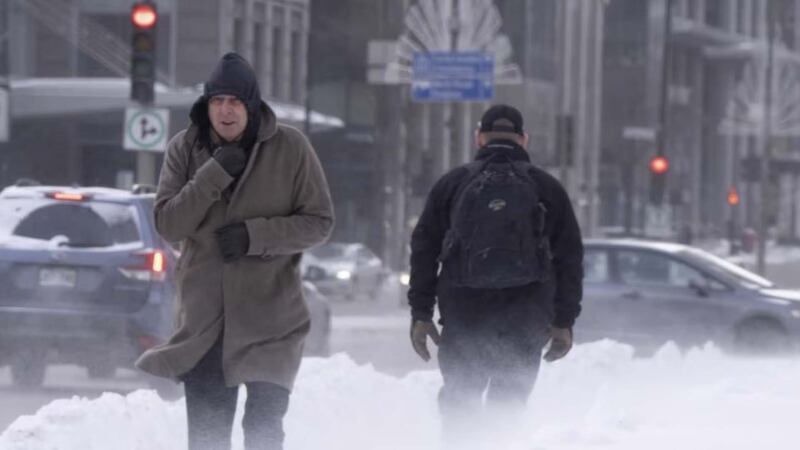
Cold weather also tends to dry out skin, which is the human organ that deals with 90 per cent of the viruses and bacteria attempting to enter our bodies, Dixon said.
“If you have a cut, obviously you have to disinfect that, but that’s one of the ways that viruses get in; dry skin will crack,” he said.
“The colder temperature also stresses a little, and stress is also known to turn off your immune response; it’s fight or flight. You want to divert your energy to surviving, so you don’t want to have an immune response right away.”
Dixon noted that the effects of cold weather on an immune system can be compounded with other factors including a person’s age, making them even more likely to get sick in the winter months.
“Younger people don’t have a fully developed immune system, particularly under five years old. They haven’t been exposed to everything, so they don’t have antibodies against everything,” he said.
“Teenagers tend to get affected because they tend to be a group that’s not vaccinated or haven’t been exposed to the virus yet, and elderly people are susceptible too, their immune system is starting to get a little bit old, and you don’t remember the pathogens as well.”
Dixon’s comments came amid a sharp rise in influenza cases early in the season this year, prompting doctors to urge people to get their flu shots as soon as possible to limit the spread and severity of the illness.

