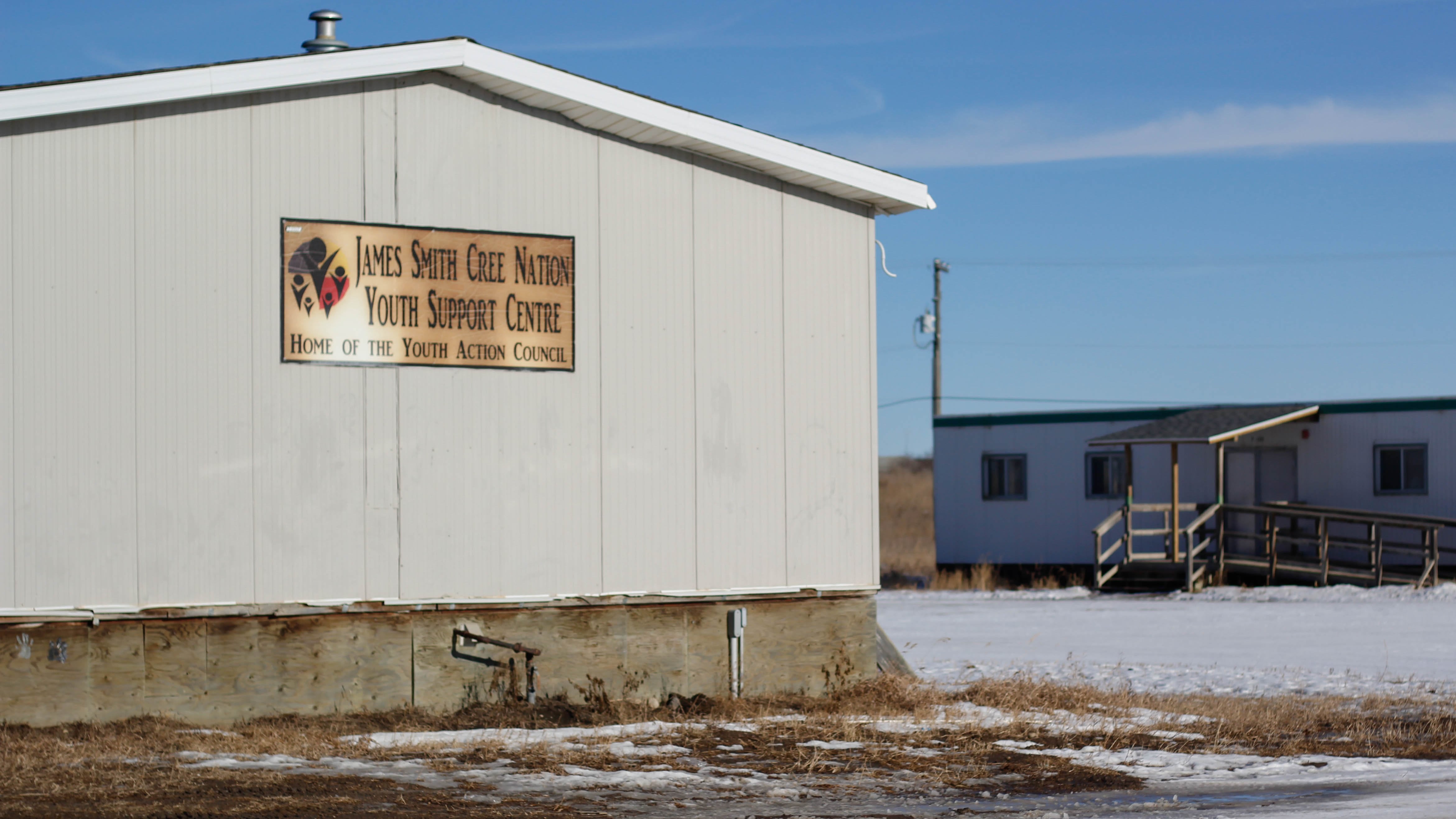
Three Saskatchewan First Nations have reached a settlement with the Canadian government over lands lost in a federal scheme to amalgamate reserves in 1902.
In a specific claims settlement announced Friday, the federal Ministry of Crown Indigenous Relations says it’s agreed to pay $713.8 million to the three bands that now make up James Smith Cree Nation #370 for lands they were compelled to surrender or were promised under Treaty 6 and never received.
“Canada’s broken promises and wrongful actions toward James Smith Cree Nation, Chakastaypasin and Peter Chapman created long-standing challenges these communities have carried for generations,” said Rebecca Alty, Minister of Crown-Indigenous Relations, in a news release.
“Today’s settlement is about taking responsibility for those impacts and setting things right.”
James Smith Cree Nation, as it’s known today, is actually the product of a 1902 merger of three bands — Chakastaypasin, James Smith, and the Peter Chapman band.
Chakastaypasin signed Treaty 6 in August 1876 and established a reserve near Fort à la Corne, but by 1898 all its members were living in other communities. According to a historical account from the present-day Chakastaypasin, the Canadian government then declared the band null and unlawfully sold their reserve.
Peter Chapman was part of the leadership of the Cumberland House Indian Band, which signed Treaty 5 before striking an agreement with the Government of Canada to establish a new reserve near Fort à la Corne in order to take up farming.
The Peter Chapman band alleges their ancestors were duped into selling more than 22,000 acres of their reserve below cost in a land scheme concocted by a federal administrator, James A. Smart, who re-sold it at double the price and personally profited from the deal.
According to Peter Chapman, the Canadian government then unilaterally opted to amalgamate what remained of their reserve near Fort à la Corne with the nearby James Smith.
The band says Smart and two other federal agents were involved in a series of similar land surrender operations across western Canada in that period, including Ocean Man and Pheasant Rump First Nation, which resisted amalgamation and were reinstated as bands after surrendering lands in 1901.
“On behalf of the Peter Chapman Band, our Elders and our band members, we are grateful that Canada has taken responsibility for the tremendous injustices our ancestors suffered,” said Peter Chapman’s Chief Robert Head.
“This settlement ensures the re-establishment of our sovereign nation and generational security.”
RELATED STORIES:
- Sask. First Nation strikes $155M ‘cows and plows’ settlement
- ‘Even the ancestors are celebrating’: Sask. First Nation moving forward after 26-year legal battle over land
- After a generation-long fight, Sask. First Nation receives $141M settlement for lost land
The federal government says the newly-announced settlement is intended to acknowledge the impact of the land surrenders and forced amalgamation.
The deal also compensates James Smith Cree Nation, which never received all of the land it was promised in the treaty — a shortfall of 2,944 acres.
“For generations, the James Smith Cree Nation has carried the weight of unfulfilled promises, broken agreements, and the lasting impacts of forced amalgamation,” said James Smith Chief Kirby Constant.
“This settlement is not the end of our journey, but it is an important recognition of those wrongs and a foundation for renewal.”
Over the last five years, the Ministry of Crown-Indigenous Relations says it’s settled 229 outstanding claims across the country to address the harmful legacy of colonization, accounting for nearly $15.1 billion in compensation.
For Chakastaypasin Chief Calvin Sanderson, the money represents a real shot at a prosperous and independent future for future generations.
“There is still work to be done to restore our Chakastaypasin Band to our rightful status as an independent Band recognized by Canada, but this day marks a very important milestone on our journey.”

