Eyes in the Darkness: The hidden cost of roadside zoos is a five-part series that investigates the concerns surrounding roadside zoos in Canada.
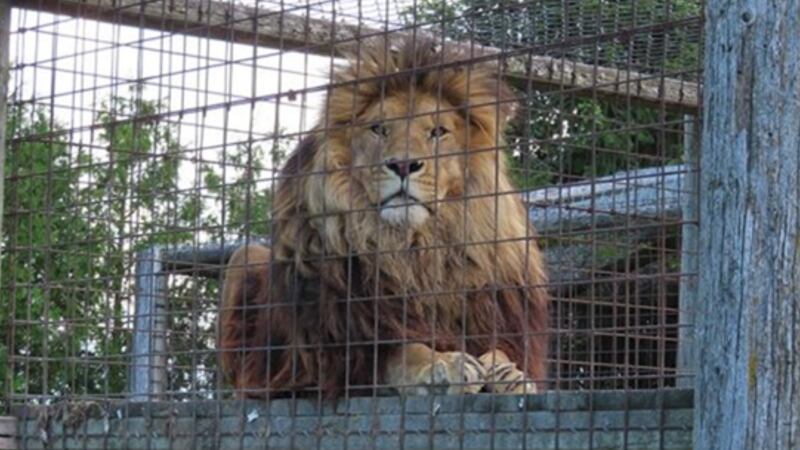
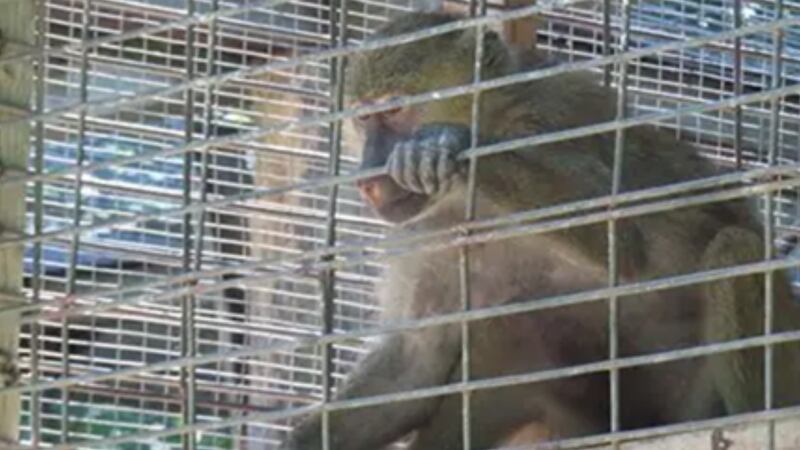
Wild animals like lions, tigers and monkeys are often kept in tiny and barren enclosures, denied appropriate enrichment and used for public entertainment in ways that cause can stress, fear and immense suffering.
Ontario is home to more roadside zoos than any other province in Canada, and according to animal welfare non-profit, World Animal Protection, it’s because anyone can open a zoo and keep non-native animals.
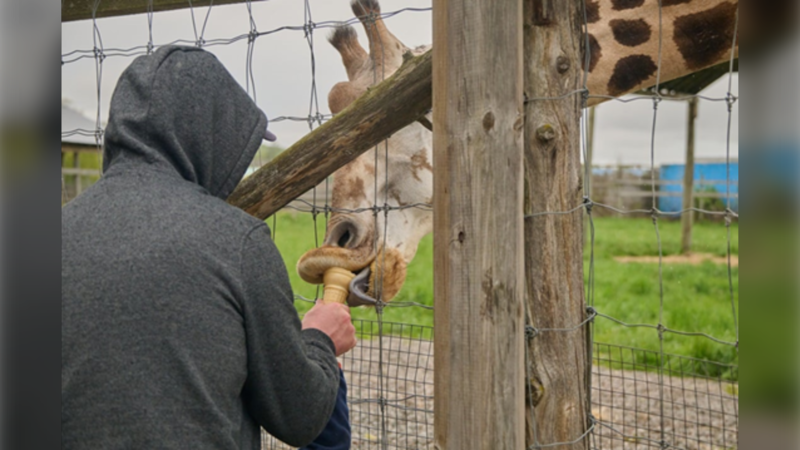
“You can keep a giraffe in your backyard in Ontario,” said Pierre Sadik, legislative affairs council for Animal Justice, a law advocacy group.
Sadik described the situation as a “patchwork quilt” of roadside zoos across the country. “Zoos of very poor standards, and in fact, a situation where in many provinces, including right here in Ontario, anyone can keep an exotic, wild animal in their yard.”
Unregulated zoos
Currently, a provincial licence or any professional qualifications aren’t mandatory to operate a zoo.
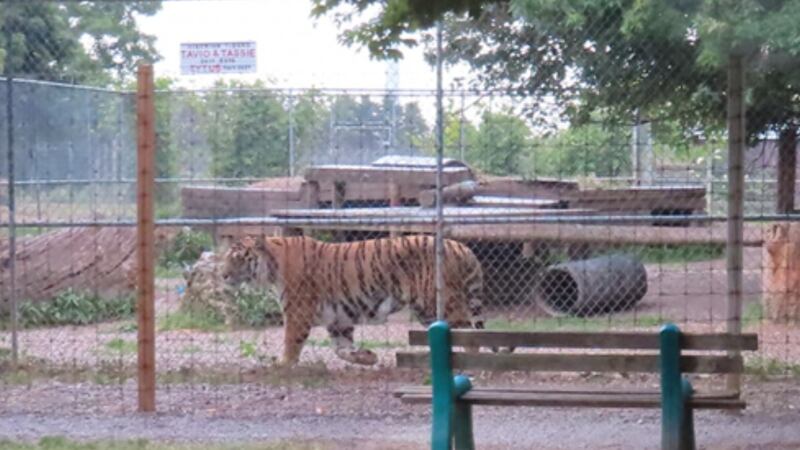
What’s referred to as roadside zoos are privately-owned, usually unaccredited, and sometimes makeshift zoological facilities often located near high-traffic areas.
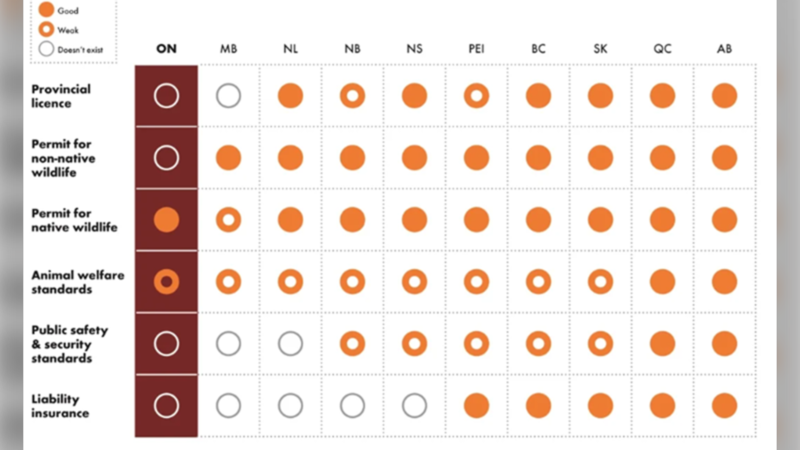
The experts at World Animal Protection say Ontario ranks last among Canadian provinces to address captive wildlife issues, including implementing a zoo-licencing system, a permit system for non-native species, a public safety and security standards or a requirement for liability insurance for operators.
The team at Animal Justice has been fighting for change on all levels of government.
“Let’s start with some of the obvious candidates like elephants, great apes — such as chimpanzees and orangutans — and exotic big cats as well — lions and tigers — animals that don’t occur naturally in Canada. Our climate is very difficult for them, and they’re also quite intelligent, sensitive creatures. So let’s end the captivity of those animals in Canada,” added Sadik.
Ontario’s animal welfare laws
CTV News reached out to the province to ask if it would consider strengthening laws pertaining to roadside zoos and received the following response from a spokesperson for the Solicitor General:
“Ontario is proud to have the strongest animal protections in the country.
Through the Provincial Animal Welfare Services (PAWS) Act, our government has set clear standards of care and strict prohibitions against causing or permitting distress to any animal - these measures carry some of the toughest penalties in Canada.
Ontario’s highly trained team of more than 100 provincial animal welfare inspectors enforces these standards across the province, including for livestock, zoos, aquariums, and equines, to ensure animals are treated safely and humanely.”
The statement also included ‘background’, stating municipalities also create bylaws governing the ownership of exotic animals within their jurisdictions.
Jane Goodall Act stalled
On the federal level, the senate passed a bill in December 2024 - a trimmed down version of ‘the Jane Goodall Act," called S-15.
“Up until the federal election there was a bill that the government had put forward called S-15,” said Rebecca Aldworth, executive director for Humane World for Animals Canada. “The Senate bill was going to prohibit the captivity of great apes and elephants, and the Senate had recommended that big cats be included in that bill as well, and that was going to be hope for so many animals that we have to keep out of roadside use for the future.”
But S-15 died on the order paper when parliament was prorogued.
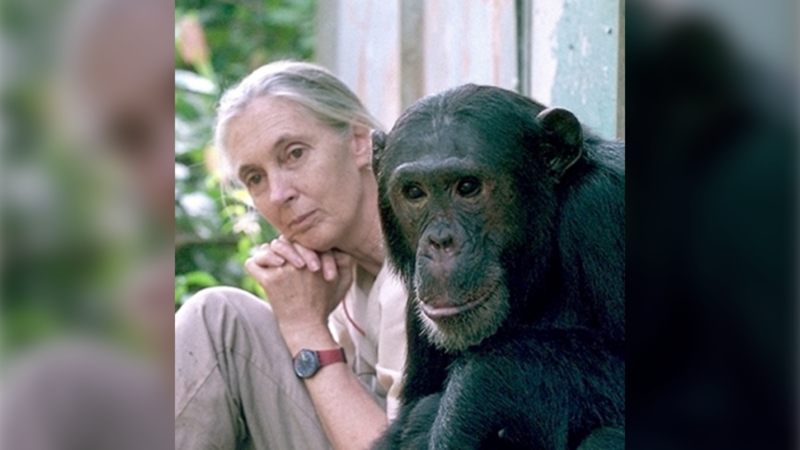
“That bill has loosely been called ‘The Jane Goodall Act’ in honour of (Jane) who, unfortunately, just passed away a couple of months ago, but spent almost her entire life trying to help chimps in the wild and keep chimpanzees out of captivities,” said Sadik.
“So, there’ve been a few versions of a Captive Wildlife Act in Canada and S-15 was the latest version of that. But when the election was called, procedurally almost all legislation ends or dies, and that’s what happened to S-15 in this case.”
CTV News spoke with Green Party Leader Elizabeth May about the ‘Jane Goodall Act.’
“I was honoured to call Jane my friend,” May said. “Her passing at 91-years-old is a loss to the world, and I really think we’ll work that much harder because it’s a legacy for Jane Goodall that Canada accept this legislation, pass it quickly through the Senate and then through the House.”
Cross-border rescues
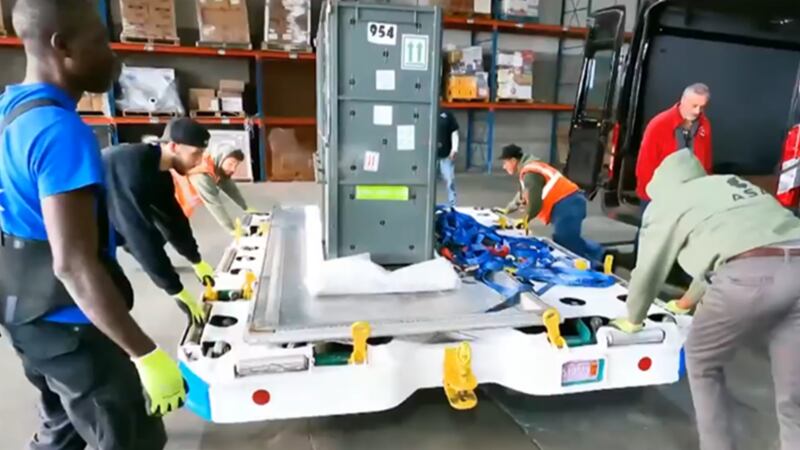
“We’ve been to Canada seven times to rescue 23 wildcats because there is not a lot of strict laws about private ownership, captive breeding, and roadside zoos in Canada,” said Tammy Thies, founder and executive director of The Wildcat Sanctuary in Minnesota.
Humane World for Animals Canada has worked closely with sanctuaries south of the border.
“Even the sanctuaries in the states are saying, ‘We’ve had to come up to Canada multiple times to clean up this mess, and the Canadian government needs to take action,” added Aldworth.
Emily McCormack, animal curator for Turpentine Creek Wildlife Refuge in Arkansas, argued that until something is signed into law and enforced the animals will continue “being used for money.”
McCormack reaffirmed people should not be breeding exotic animals. “These are animals that didn’t choose to be in a captive environment,” she said. “Please do your education before you go anywhere.”
Calls for stricter laws
Thies emphasized the urgency for reform, noting the growing number of exotic animals kept as pets across the country.
“We continue to get calls about African servals that are kept as pets in Canada, and so, really as a sanctuary; Yes, we are rescuing animals, and these lions have a happy ending but so many don’t. We need stricter laws in Canada,” she noted.
On December 8, 49 municipalities in Ontario signed an order to the province of Ontario to enact stronger protections for captive wild and exotic animals, that’s according to World Animal Protection.
“Of the 150 permanent wildlife display facilities in Canada, 50 per cent are considered roadside zoos,” stated Canadian wildlife protection charity Zoocheck.
“In a roadside zoo the number one goal is profit and always will be. Profit always comes at the expense of the animals,” Aldworth said.
It serves as a stark reminder from those who work for these animals, noting this story is far too common.
“Thank you for making that incredible ending for these lions the beginning of the bigger story,” Aldworth finished.