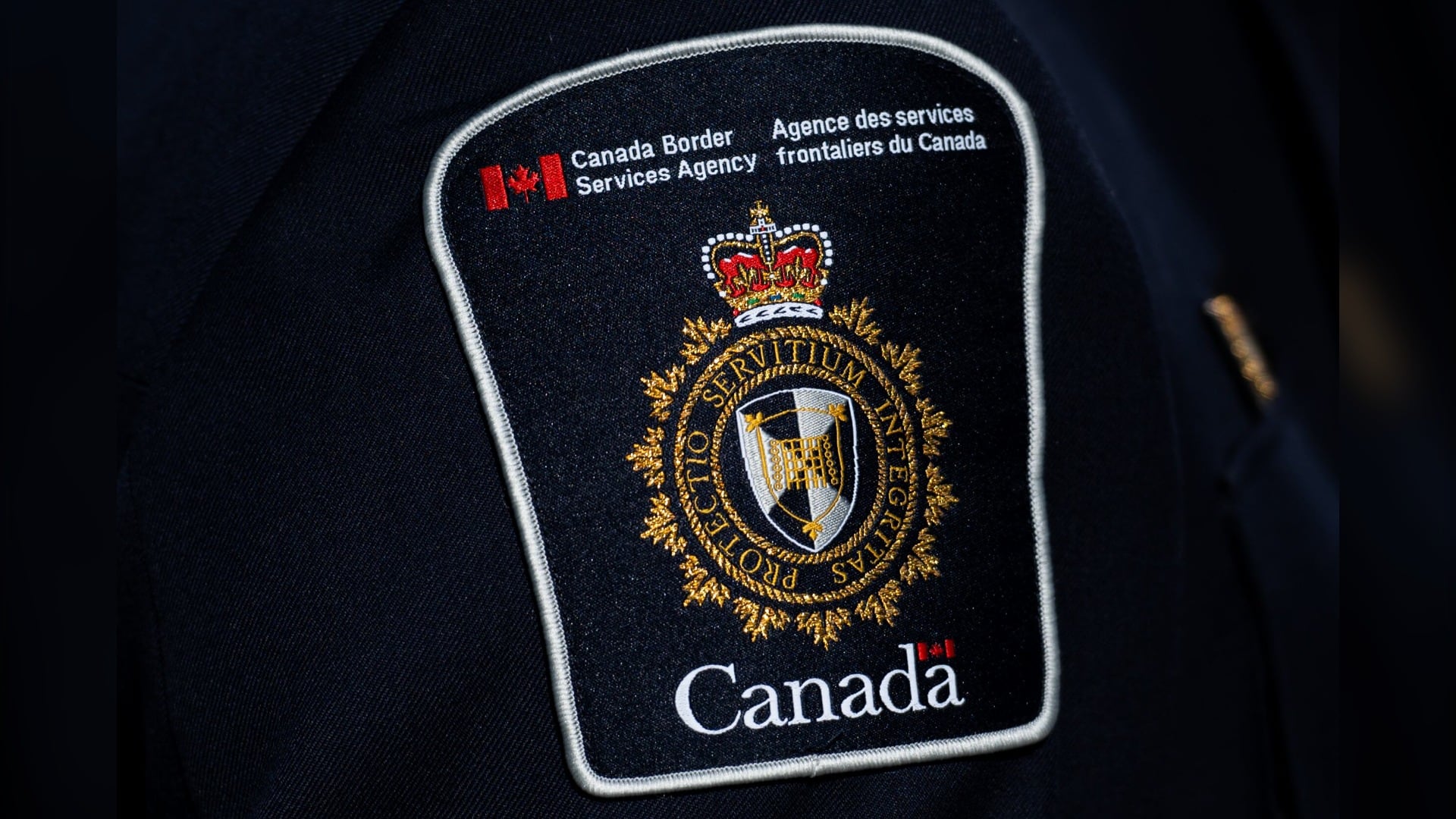
The Canada Border Services Agency (CBSA) has announced that it will end the Remote Area Border Crossing (RABC) program starting September 2026.
The decades-old system that allowed pre-approved travellers to enter Canada at remote points along the U.S. border with minimal processing will be replaced with a telephone reporting regime effective Sept. 14.
Under the RABC program, participants could travel into and out of specific remote areas - such as parts of northern Ontario or southern Manitoba - without presenting themselves in person at a staffed port of entry.
Approximately 11,000 RABC permit holders - roughly 90 per cent of whom are U.S. residents - used the program annually.
In a news release last week, the federal government confirmed the RABC permits will remain valid only until 11:59 p.m. on Sept. 13, 2026.
After that date, travellers who enter Canada through remote areas, including via northern Ontario or from the Northwest Angle into southern Manitoba, must report to the CBSA either in person at the border station or by calling a designated telephone reporting service immediately upon entry.
The CBSA lists the following remote areas that will introduce the telephone reporting service: Northwest Angle Area, Pigeon River through to and including Lake of the Woods, the Canadian shore of Lake Superior, Sault Ste. Marie (upper lock system) and Cockburn Island.
The telephone reporting option is meant to bring remote crossings into alignment with other reporting requirements already in use for marine and small-aircraft travellers entering into Canada, according to CBSA guidance.
RABC permits are no longer being issued and the program will be formally phased out over the coming months.
“This process ensures a consistent level of security and expectations of compliance for everyone,” the news release read.
“It is a measure that will also more closely align with how travellers report to U.S. Customs and Border Protection when entering the U.S. in remote areas.”

