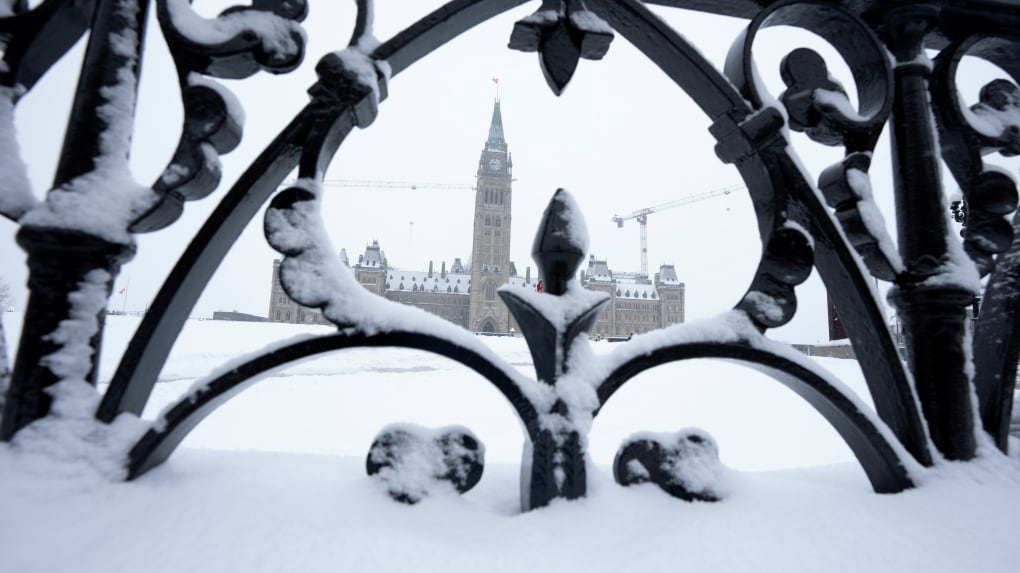
New laws and rules that come into effect in Canada in 2026 include a middle-class tax cut, caps on certain bank fees and changes to citizenship eligibility requirements for “Lost Canadians” born abroad.
Here’s what you need to know about Canada’s newest rules and regulations.
New citizenship rules for ‘Lost Canadians’
At least 115,000 so-called “Lost Canadians” who were born outside the country could be eligible for citizenship under new rules that are expected to go into effect in 2026. Changes introduced under Bill C-3, which received royal assent in November, will allow Canadian parents who were born abroad to pass on citizenship to children who were also born or adopted abroad. Such parents must pass a “substantial connection test” and prove they spent at least three years in Canada before their child’s birth or adoption. The “Lost Canadians” bill aims to undo citizenship law changes made by the federal Conservatives in 2009 that were later deemed unconstitutional by the Ontario Superior Court.
New immigration cuts and caps
Canada’s latest immigration levels plan features significant cuts to the number of new permanent residents, international students, temporary foreign workers and refugees that will be admitted into the country. Announced in November, the 2026-2028 immigration levels plan includes a new cap of 380,000 new permanent residents in 2026, which is a slight drop from the 395,000 accepted in 2025 and a major shift from 2024, when more than 483,000 were welcomed. The number of new temporary workers is also being capped at 230,000, down significantly from the target of 367,750 in 2025. The target for refugees, protected persons and those admitted on humanitarian grounds is set at 56,200 people in 2026, which is down nearly 12,000 from an earlier target.
The largest cuts are being made to international student admissions. Canada plans to issue only 155,000 new student visas in 2026 and 150,000 in both 2027 and 2028. That’s down significantly from previous caps of 360,000 in 2024 and 437,000 in 2025.
Canada Strong Pass returns
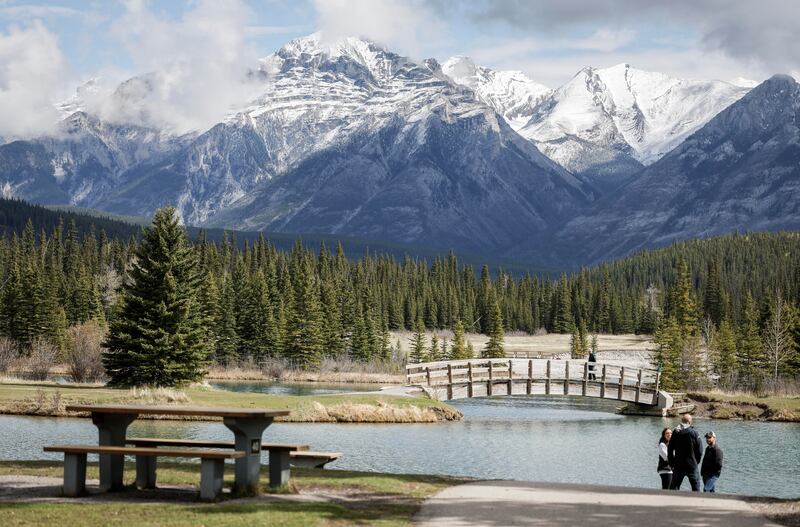
The Canada Strong Pass returns from Dec. 12, 2025 to Jan. 15, 2026 and will be back again for the summer of 2026. Offering free and discounted tickets for national parks, museums, VIA Rail travel and more, the popular pass was launched in 2025 to encourage domestic travel amid frosty relations with the U.S.
Middle-class tax cut
A new “middle-class tax cut” goes into effect for the 2025 tax year. Announced in late June, the personal income tax rate for those who make $57,375 per year or less was dropped to 14.5 per cent for the 2025 tax year and 14 per cent for 2026 and subsequent tax years. It previously stood at 15 per cent. Ottawa expects nearly 22 million Canadians will benefit from this measure, which will equal a maximum tax savings of $420 per person or $840 per couple.
Even if your earnings put you above the lowest tax bracket, the lower tax rate will still be applied to first $57,375 of taxable income you earn. For example, if you make $77,375 in 2025, you will be taxed at 14.5 per cent for the first $57,375 you earn, and 20.5 per cent for the remaining $20,000.
Tax rebates for first-time home buyers
Tax rebates for first-time home buyers could come into effect in 2026 if proposed federal legislation passes. The rebates would eliminate GST or the federal portion of the HST for first-time home buyers of newly built or substantially renovated homes valued at up to $1 million, for a maximum rebate of $50,000. Homes that cost between $1 million and $1.5 million would also be eligible for reduced tax rates. If the federal legislation passes, the Ontario government has signalled that it will also drop the provincial portion of the HST for first-time home buyers.

Automatic tax filing
Starting in the 2026 tax year, the Canada Revenue Agency will begin automatically filing taxes for about one million low-income Canadians to help ensure they receive the federal benefits they qualify for, like the Canada Child Benefit and the GST/HST credit. The deadline to file 2026 taxes will be in April 2027. The system is expected to be scaled up to include approximately 5.5 million people in the 2028 tax year.
New cap on NSF fees at banks
The federal government is instituting a cap on non-sufficient funds (NSF) fees. As of March 12, 2026, Canadian banks will have to cap NSF fees at $10 for personal and joint accounts. Banks will also be prohibited from charging NSF fees for accounts that have an overdraft of less than $10, and they will only be allowed to charge one NSF fee per account within a two business day period. According to the federal government, NSF fees currently range from $45 to $48 and disproportionately harm low-income Canadians. The caps do not apply to corporate or business accounts.
‘Buy Canadian’ policy implemented
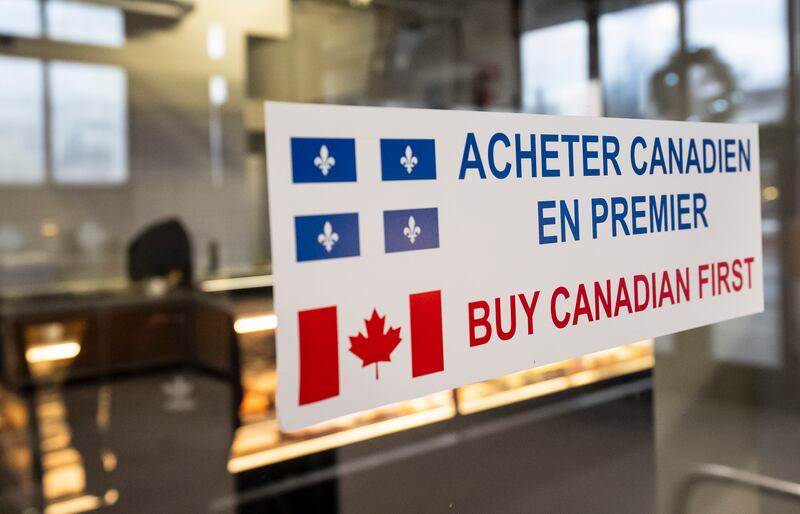
The federal government’s “Buy Canadian” policy will be fully implemented by spring 2026. The policy aims to ensure that federal spending prioritizes Canadian suppliers and materials in order to bolster Canadian jobs and industries. The new policy, which was launched in response to tariffs imposed by U.S. President Donald Trump, will start with Canadian steel, aluminum and softwood lumber.
Early retirement incentive for federal employees
In 2026, federal public service employees will be able to apply to retire early with a pension that is based on their years of service. The move, which is meant to promote federal workforce reductions, is expected to be implemented on or after Jan. 15, 2026. To be eligible, employees must be at least 50 years old and have at least 10 years of public service employment.
National School Food Program becomes permanent
The National School Food Program that was launched in 2024 will become permanent thanks to a new funding commitment. The latest federal budget promised $216.6 million in annual funding for the program beginning in 2029, which will build on the $1 billion commitment the federal government previously made for the program’s first five years. The National School Food Program aims to provide meals for up to 400,000 children.

