A new hydrogel is making personal hygiene products greener thanks to a plant-based material developed by University of Waterloo researchers.
It absorbs the same way as the materials currently used in personal hygiene products, but it breaks down in months rather than centuries.
“The problem we have is they are all made from synthetic polymers,” said chemical engineering professor Tizazu Mekonnen, referring to products like diapers, menstrual pads and tampons. “After you use them, you cannot recycle them so it has to go to the landfill, which will take more than 450 years to degrade.”

So that’s why he, along with a team of researchers, created this natural and super absorbent material to replace non-degradable components currently used in such products.
“Through the process of degradation, they usually release micro and nano-plastics, which will leach into the water we drink and the air we breathe in,” said Mekonnen.
The new hydrogel seems to be effective.
“They degrade very quickly. Our study shows that within seven weeks, they lose about 72 per cent of their weight,” said Mekonnen. “It performs equal, or a bit better, than what’s already on the market in terms of biodegradability.”
By the three-month mark, it will completely disappear in the environment.
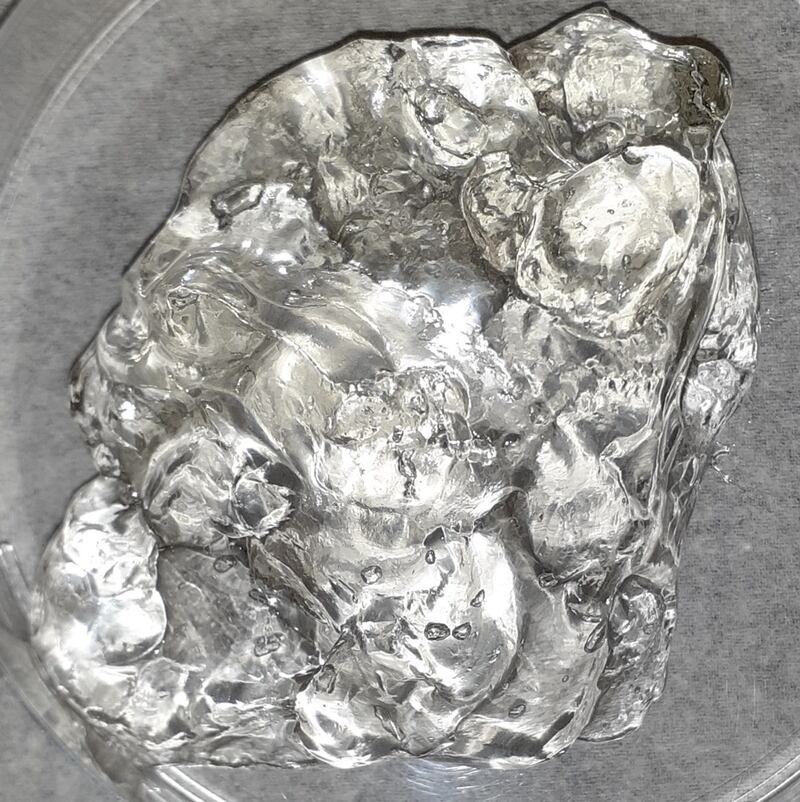
And with tests showing it will not cause any toxicity by encountering human body fluids, the team who worked on it is quite proud.
“Made me feel pretty good about the fact that the work that I’d be doing could actually very much impact the world in a very positive, green way,” said Dylan Sproule, an undergraduate research assistant.
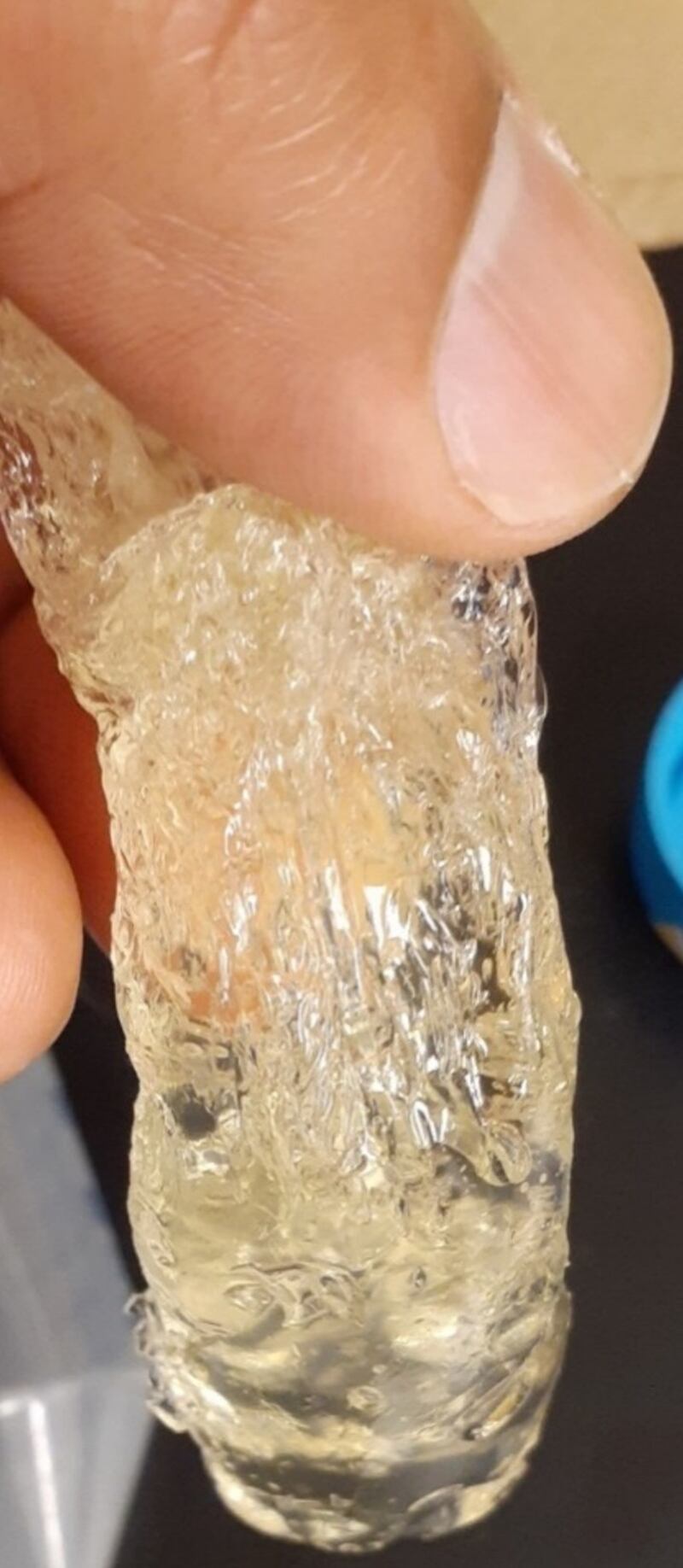
Getting to this point did not come without challenges.
“There’s not typically a very common machine for testing hydrogel properties. So we kind of had to get creative with it,” said Sproule.
The next hurdle will be finding a way to scale up production to see how it would work for commercial use.
“It’s technically possible, but the most important question, the elephant in the room, is at what cost? So to figure that out, we plan to pursue further studies,” said Mekonnen.
With about 250 million disposable diapers discarded every day around the globe, and mountains of menstrual pads and tampons thrown away, the partnership between hydrogel and hygiene could help set the stage for a greener future.

