
The spectre of the WE Charity scandal and former prime minister Justin Trudeau will loom over a two-day hearing at the Supreme Court of Canada set to begin on Wednesday.
The case centres around the “everyday justice” involved in administrative law and could have far-reaching implications beyond federal commissions.
Brought forward by the advocacy group Democracy Watch, the case tests the boundaries of citizens’ rights to challenge the decisions made by government bodies.
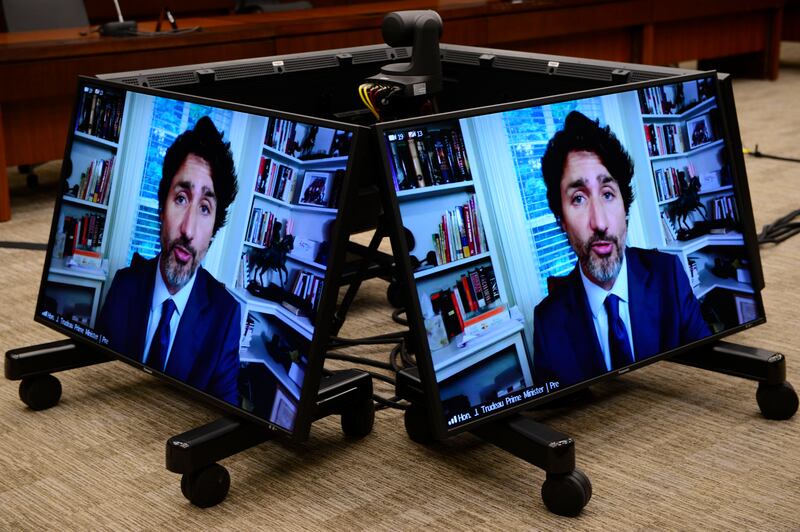
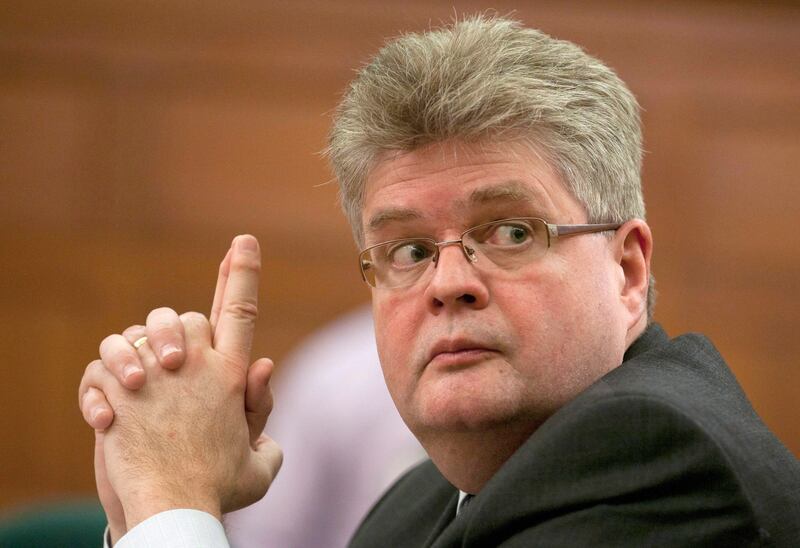
The top court decided to hear the case after the Federal Court of Appeal (FCA) concluded two years ago that Democracy Watch did not have standing to challenge the decision of former ethics commissioner Mario Dion to clear Trudeau of wrongdoing in connection to WE Charity.
In June 2020, WE Charity was chosen to administer the Canada student service grant, a $912-million program introduced by Trudeau to provide financial relief for students during the COVID-19 pandemic.
Dion said the former prime minister didn’t violate the Conflict of Interest Act, even though Trudeau did not recuse himself from discussions to grant WE Charity a sole-source contract, despite having close family ties to the organization.
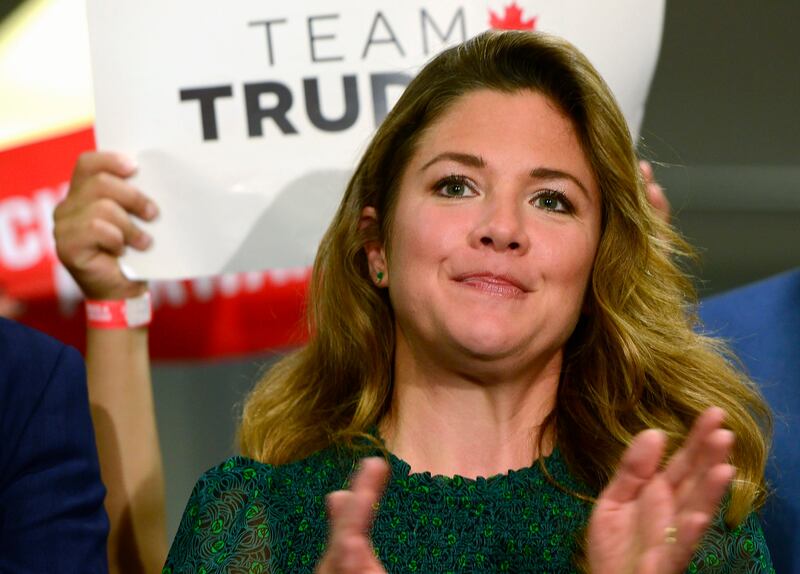
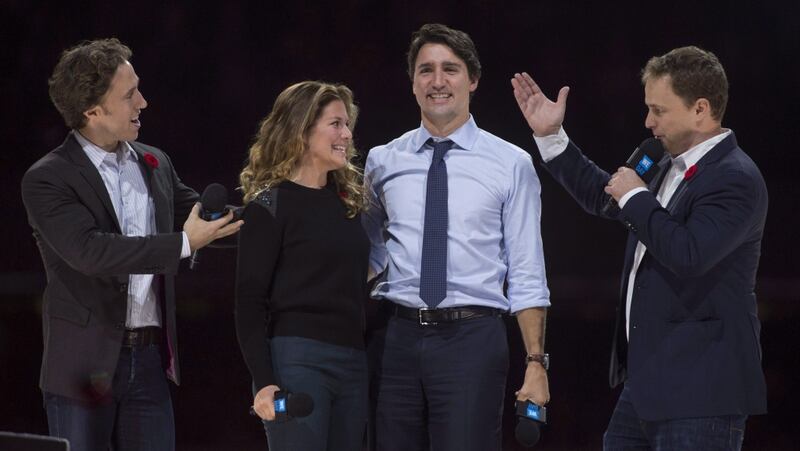
Trudeau’s mother, Margaret, brother Alexandre and then-spouse Sophie Grégoire were paid for appearance fees and reimbursed for expenses by We Charity over the course of a decade.
According to a report to Parliament’s ethics committee, the Trudeau family members were paid more than $217,500 for speaking engagements and reimbursed $210,250, which included flights and hotels.
Democracy Watch mounted an effort to appeal Dion’s findings, but in October 2024, the FCA ruled the organization could not challenge the decision, because the ethics commissioner operates under Parliament, and therefore, appeals of errors of facts and law by the commissioner should be filed with the prime minister and Parliament.
Duff Conacher, the co-founder of Democracy Watch, says the FCA decision lent itself to “partisan political bias.”
“It would be absurd for us to be appealing back to the prime minister or MP’s to overrule the ethics commissioner ruling about the prime minister,” Conacher said to CTV News in an interview ahead of the Supreme Court hearings.
“Ruling party cabinets should not be allowed to appoint people that watch over them, because they choose lapdogs who roll over and rubber stamp clear conflicts of interest,” he added.
Conacher says “systemic change is needed,” but the first hurdle that needs to be jumped involves persuading justices of the top court that the ethics commissioner is not operating under Parliament and is subject to judicial review.
Sharry Aiken, a law professor at Queen’s University, says the fundamental role of supervisory courts at federal and provincial levels to review decisions that affect everyday people is at stake.
“This is about the oversight of administrative decisions which affect all kinds of people in a huge array of matters. Administrative law itself is everyday justice,” said Aiken, who also serves as co-chair of the legal affairs committee at the Canadian Council for Refugees.
“Everything from decisions about refugee protection to access to social benefits like welfare, to professional regulation, to environmental protection.”
Aiken is concerned that the federal government is arguing there should be no recourse to the courts in the Democracy Watch case. She says that in 1981, the Supreme Court highlighted in Crevier vs. Attorney General (Quebec) that courts retain a constitutional duty to review the final rulings made by administrative decision makers.
In addition to the lawyers for Democracy Watch and the Government of Canada, 15 other parties will make arguments before the panel. Intervenors include provincial government lawyers who represent British Columbia, Saskatchewan, Alberta and Ontario. Lawyers representing telecommunications companies, immigrants and refugees, along with free speech advocates will also appear before the court.

