


The evacuation of hundreds of members of Kashechewan First Nation continued this week. A failure with the community’s sewage system caused the need for the measure.
“Back on Dec. 18, that’s when the Waterworks people notified us there’s something wrong with that pump and eventually that pump would cease pretty soon,” said the First Nation’s chief, Hosea Wesley.
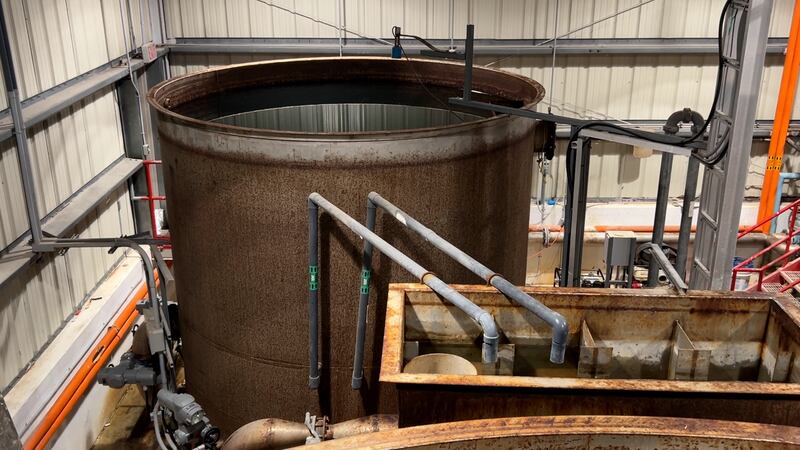
A water consultant with Northern Waterworks Inc. told CTV News that the pump was replaced.
“Put it back in service and got it operational,” said Robert Lariviere.
But it was too late, sewage had backed up into the community’s drinking water plant.
“There’s supposed to be a backwater valve or a check valve on there that appears to have failed,” said Lariviere.
“We haven’t located it yet; we know where roughly it is.”
Indigenous Services Canada issued a “Do Not Consume” water advisory on Jan. 5. In fact, there are 11 First Nation communities in Ontario under ‘boil water’ advisories.
In a statement to CTV News, Indigenous Services Canada wrote:
“At this time, no reportable E. coli has been confirmed in patient testing samples, however, tests remain ongoing as symptoms dictate and test results are still pending. …
If a case of disease-causing GI E. coli is confirmed the public health unit and ISC would be immediately notified and public health follow-up actions taken.
GI viruses may also result in symptoms of stomachache and vomiting. GI viruses are transmittable. Treatment and public health guidance is provided to anyone who is assessed and tests positive for a GI virus.”
The federal department added that any questions related to the health of the community are best directed to the First Nation itself.
“Regarding water testing for E. coli, testing is regularly done at the water treatment plant and E. coli has not been present in any of the treated water samples,” said ISC.
This is not the first time Kashechewan’s drinking water system has failed and the Chief launched evacuations. So far in this emergency, around half the community’s 2,500 members have left.
“They don’t like evacuations; they want to stay here, to be with their families,” said Wesley.
“Now, they’re all scattered in Ontario.”
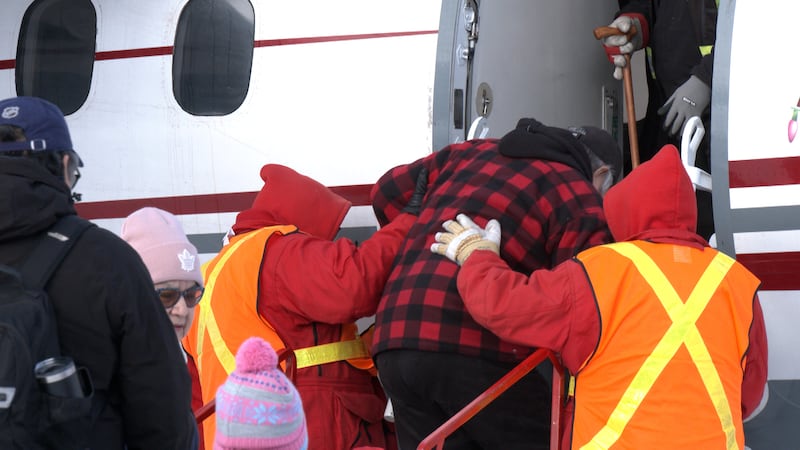
Former chief and current evacuee, Rebecca Friday, who was evacuated to Niagara Falls, said the news came as a surprise.
“I think this was a shocker to everybody because we had no clue as to what happened way back in December,” she said.
The sewage pump’s malfunction caused other issues as well.
Wastewater backed up into the nursing station, forcing health care workers to relocate and operate from the elementary school within the grade four classroom, now the ER.
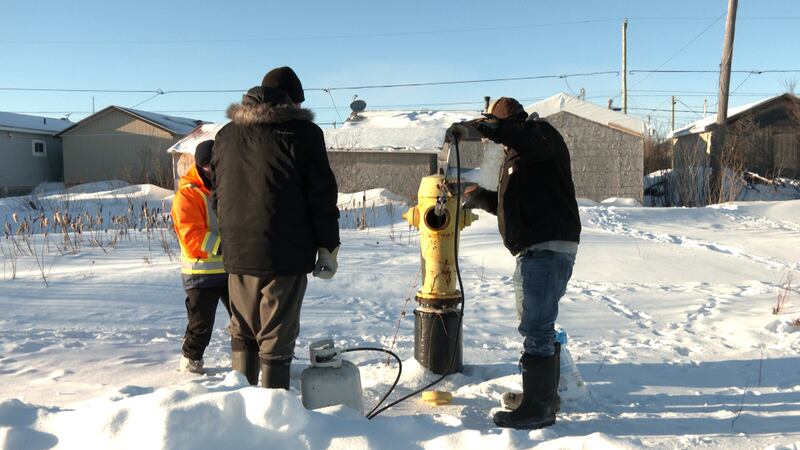
Additionally, some fire hydrants froze and crews had to heat them with a propane torch and add salt to maintain them. The high school’s sprinkler system also froze, causing water damage. Further, the water plant’s heating system is also broken; at this time a generator heater supplies the warmth.
It’s all too much for the community’s Chief to manage on his own. Indigenous leaders from other communities and organizations flew in on Thursday to support him, including Ontario Regional Chief Abram Benedict of Chiefs of Ontario, Grand Chief Alvin Fiddler of Nishnawbe Aski Nation, Deputy Grand Chief Natasha Martin of Mushkegowuk Council and Chief Robert Nakogee of Fort Albany First Nation.
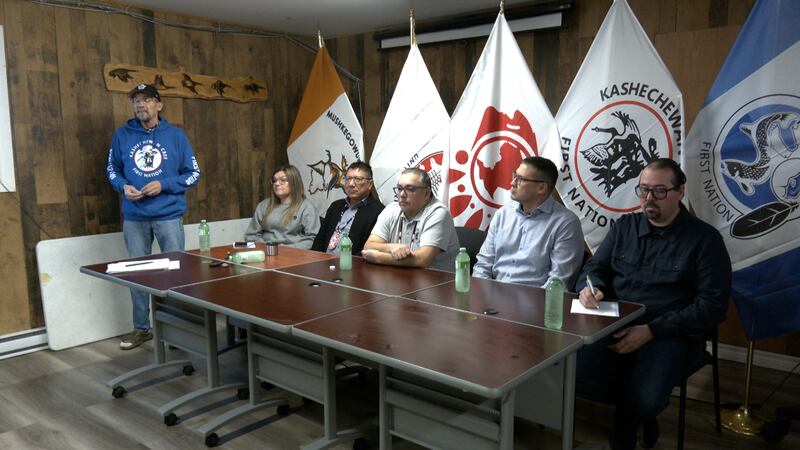
“I could just sense his frustration and the load, the heavy load that he must be carrying on his shoulders,” said Fiddler.
“That’s why I wanted to be here today, just to spend some time with him.”
Wesley said last spring, the community was given $1.7 million to address some infrastructure issues and that work was underway. However, the chief said that the system failed while the community was waiting for parts for the sewage pump to come in.
“Having spare pumps on site would have definitely helped,” said Lariviere.
“Had there been (it could have) resolved the problem and prevented the backup.”
“We’re not driving down to the city center to pick up a new part and install it, or the heater that’s not working right here, or off to the hardware store to buy parts,” said Benedict.
“It just doesn’t work like that.”
— Ontario Regional Chief Abram Benedict of Chiefs of Ontario
“The challenges that communities are left with coordinating all of this material coming in, finding the expertise to do it – many of our communities face that, and sadly, what we’ve seen here in Kashechewan is a result of that,” added Benedict.

As the community works to repair damages, Indigenous leaders are calling on federal and provincial government leaders to visit Kashechewan.
“If they’re waiting for a good time or when things are calm, for them to be here, they will never be here,” said Fiddler.
“They just need to show up.”
— Grand Chief Alvin Fiddler of Nishnawbe Aski Nation
Wesley said that he has extended an invitation to Mandy Gull- Masty, the Minister of Indigenous Services of Canada, but she has yet to arrive in the community.
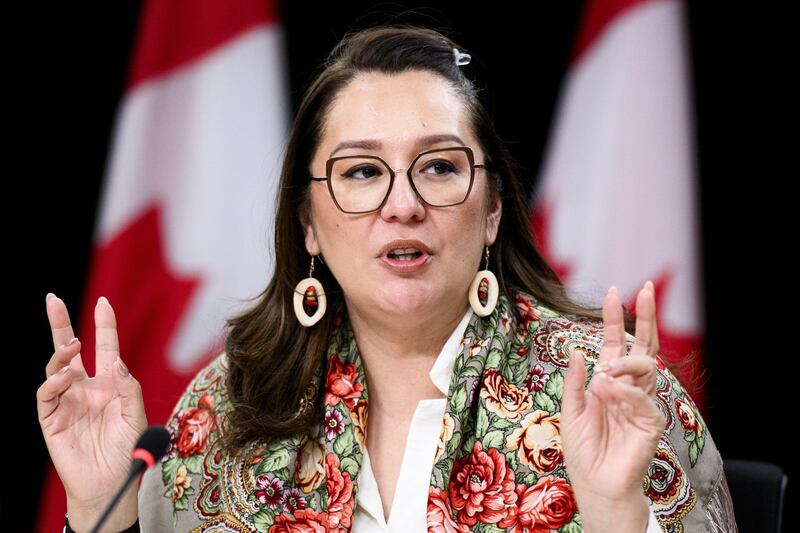
In a statement to CTV News, Gull-Masty said:
“During emergency situations, it is essential that I remain in regular contact with community leadership to ensure needs are being identified and addressed.
I spoke with Chief Wesley on Tuesday, and we will continue to connect as needed.”
The minister said that Indigenous Services Canada has remained in constant contact with leadership on the ground, providing support and assisting with the coordination and distribution of resources.
“A variety of health professionals have been in community to assist, including nurses, doctors and ISC’s Public Health Physician,” said Gull-Masty.
“Patients are being seen at the temporary location and triaged based on need.”
ISC confirmed that the community-wide evacuation is continuing, and said Thursday that “approximately 1,000 registered evacuees” have been transported out.
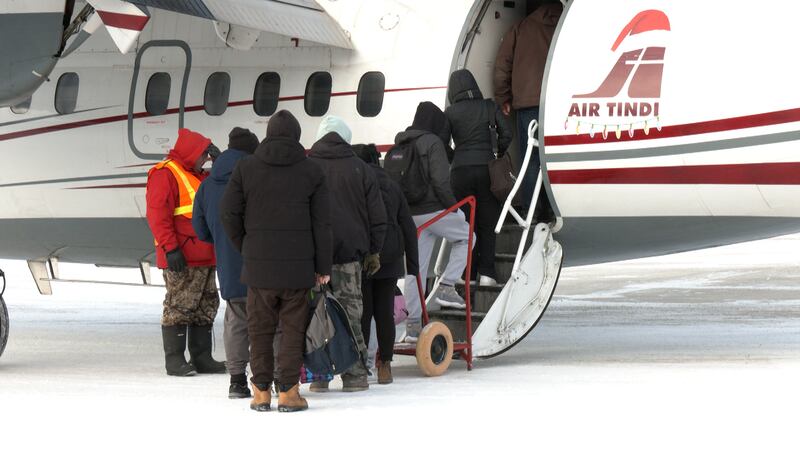
“We continue to support leadership and closely monitor the movement of people into and out of the community,” said Gull-Masty.
Wesley told CTV News that when he eventually gets to meet with government leaders, he plans to ask for an update on the agreement signed in 2019 to get the community relocated out of the flood-prone area.
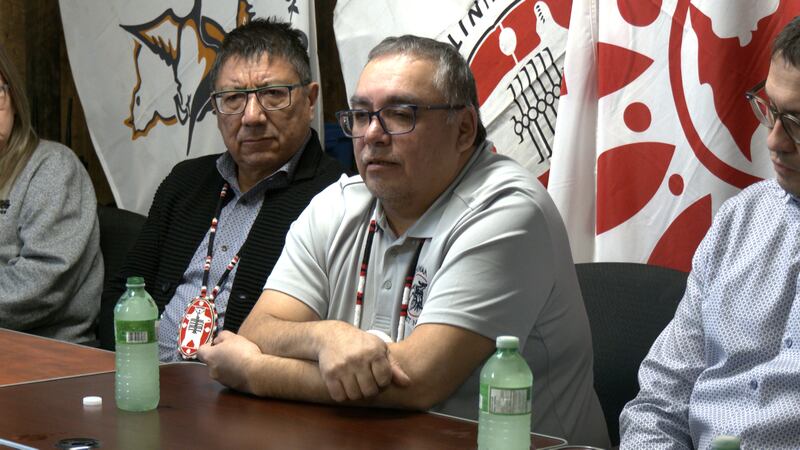
“Since that time, there’s been very little action from Ontario and Canada to actually implement that agreement,” he said.
Wesley is asking all the Indigenous leaders to support him and all Canadians to stand with them as they continue their fight.
“Stand with my children, to stand with my babies and to stand with the elders and to stand is my membership-that’s my hope as we fight to get a better community,” he said.
0 of 8
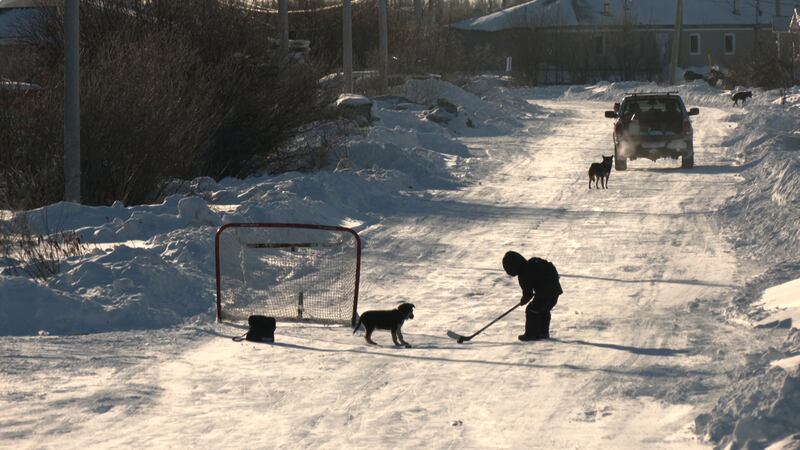
Kashechewan First Nation, a fly-in community located on the banks of the Albany River, which flows north into James Bay, and in a matter of weeks, the threat of spring flooding will be added to the long list of problems.

