With peak season months away, Prince Edward Island’s tourism industry is in planning mode, looking to build on record momentum while juggling old and new pressures.
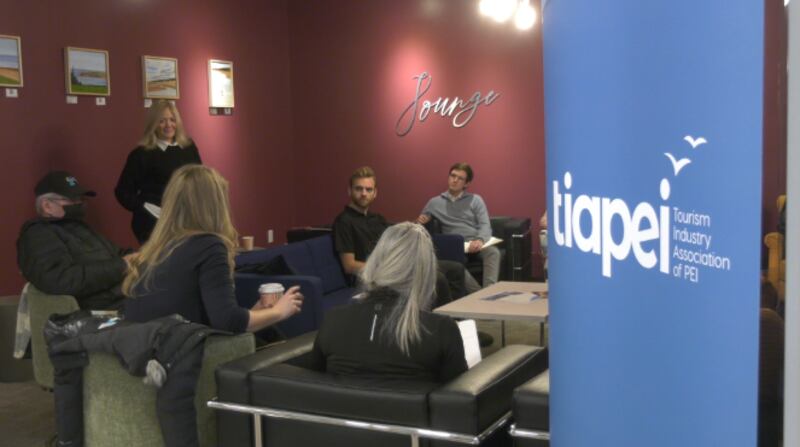
The Tourism Industry Association of Prince Edward Island (TIAPEI) says it’s gathering operators across the Island in a roundtable series to hear what’s working for businesses and the challenges they’re facing ahead of the peak travel months. Industry leaders and business owners say demand remains strong, with Canadians continuing to travel at home while both U.S. and international visitation increase.
“I think when people get a taste of what we have to offer here, they’re bound to return, tell their friends, tell their family,” said Corryn Clemence, TIAPEI’s CEO.
Prince Edward Island set a new tourism record in 2024, with the province reporting 1.7 million visitors and $520.7 million in direct visitor spending. Clemence says 2025 brought even more traffic and the momentum is still building.
But as the sector grows, a key staffing pipeline is shrinking, she adds.
Holland College announced in April 2025 it would suspend intake for eight programs for the 2025-26 academic year and downsize three others, with the most significant impact at its Tourism and Culinary campus. The college has cited reduced enrolment tied to a sharp decline in international student numbers after federal policy changes, including tighter eligibility for post-graduation work permits.
Holland College announced in April 2025 it would suspend intake for eight programs for the 2025-26 academic year and downsize three others, with the most significant impact at its Tourism and Culinary campus. The college has cited reduced enrolment tied to a sharp decline in international student numbers following changes in federal policy, including changes tied to post-graduation work permits.
“We know we’re losing a great pool of talented individuals, trained individuals, for our industry,” Clemence said, adding businesses are trying to brainstorm solutions. “It’s probably a bit of a trickle effect that we haven’t felt fully yet.”
Operators also raised day-to-day issues that can shape a visitor’s experience, including patchy cell service in rural areas.
It’s an issue Devon Saila deals with as the owner of Beach Goats, a farm experience where visitors can participate in yoga classes and paddleboard with the herd or explore nearby trails, among other activities.
“Not having the bars to make emergency calls… or even have transactions go through on people’s phones, to make payments,” she said. “It’s a real challenge for everyone to have.”
She said the business saw an earlier start in 2025 that ran through Halloween.
Clemence said the industry is looking for ways to expand the tourism season and stay busy outside the summer rush.
“We’re starting to see that in our visitation, and we need to work with operators to ensure that we have businesses open and available,” she said. “That’s something we want to continue to work on with industry and out government.”

