Applications to join the Canadian Armed Forces are rising after years of missed recruitment targets, marking a turnaround for a military that has struggled to attract new members amid staffing shortages, pay concerns and a lengthy hiring process.
In an email to CTVNews.ca Tuesday, the Canadian Armed Forces (CAF) said applications for the regular force are up nearly 13 per cent so far in the 2025-26 fiscal year, compared to last year.
That follows a 55 per cent jump in new recruits in the previous year, with CAF reporting 6,700 new members joining the regular force as of December 2025 – the highest number of enrolments in the past decade.
This development comes with heightened attention on U.S. President Donald Trump’s recent rhetoric on taking over Greenland and his interest in the Arctic for national security purposes.
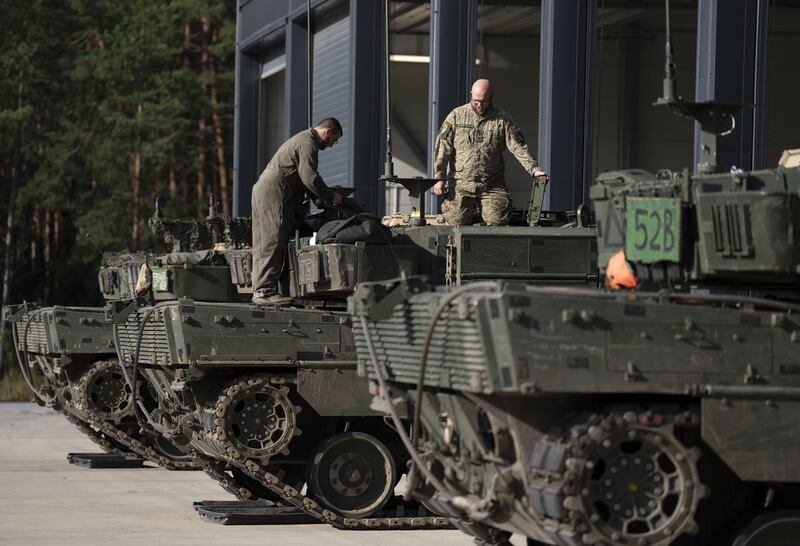
However, the military avoided pointing to tensions from Canada’s southern neighbour as a reason for the spike in potential recruits.
“It would be difficult to correlate an increase in applications to any specific event. This year’s increase is in line with trends that were already emerging in the previous four years,” the statement read.
Earlier this week, a senior federal government source told CTV News that Canada is considering sending a small number of troops to participate in training exercises in Greenland, following the lead of multiple European countries.
A final decision about whether to send any Canadian troops has not been made, according to the source.
Why the interest?
While applications were up, the largest share came from southern Ontario, which accounts for 32.7 per cent of applicants. The Prairies and the North followed at 20 per cent and Quebec represents 15 per cent.
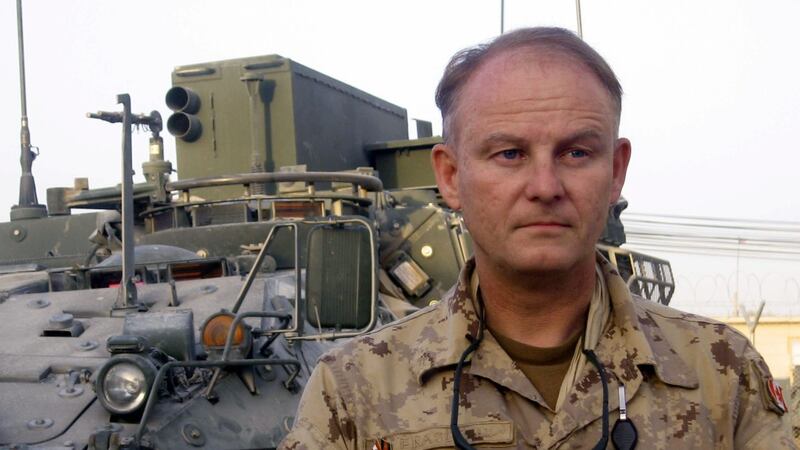
Retired major-general David Fraser told CTV’s Your Morning Thursday that the renewed interest reflects both internal reforms and broader global uncertainty.
“Crises normally help out recruiting,” Fraser said. “Canadians, since Donald Trump has gotten in, we’ve got our elbows up. Men and women like to get in there and do things that are fighting and defending our nation.”
According to Fraser, Trump’s efforts to secure Greenland is less surprising and more “disappointing.”
“We got to protect our border, our sovereignty. We have to protect the North and that means we’re going to have to put more men and women up in the North, more people on the on the coast, to assert our sovereignty as an independent nation,” he added.
At the same time, Fraser stressed that recent gains are also the result of long-overdue changes to how the military recruits.
“The recruiting process was way too slow,” he said. “When you’re competing against Walmart and other companies ... you can get a job quickly, but with (the Forces), it was taking you almost a year to get in.”
The Auditor General released a report in October and found that the CAF relied on more than eight separate, poorly integrated IT systems for recruitment and training, many of them manual and paper-based, leading to data gaps, inconsistences and delays.
“These IT systems had minimal data integration and siloed processes,” the report said. “IT systems involved multiple users and fragmented databases, resulting in discrepancies in data collection, quality, and interpretation.”
While a new Online Applicant Portal launched in March 2025 was meant to streamline applications, key forms remain manual and the system can’t automatically verify or pre-screen applicant, leaving recruiters to follow up on every file.
The CAF has agreed to implement the following recommendation: modernizing recruitment IT systems with better automation, integrated electronic forms and real-time data.
Ottawa’s investment in the CAF
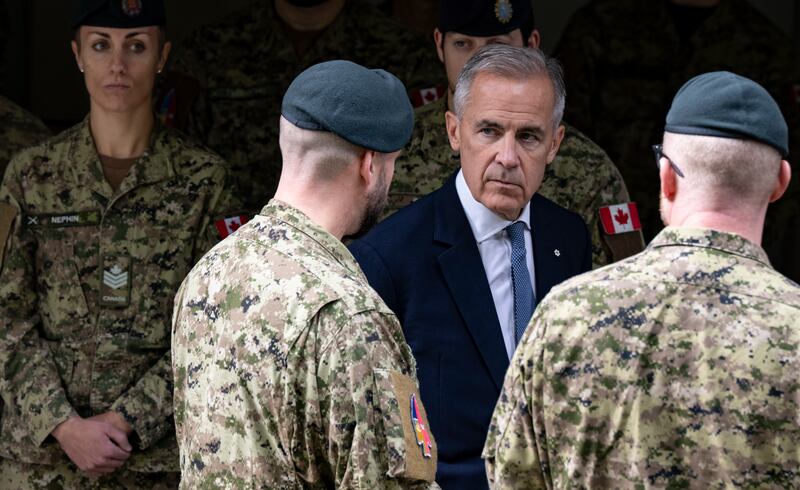
In the past year, the federal government approved pay increases of eight per cent for colonels, 13 per cent for lieutenant-colonels and below and a 20 per cent boost to starting pay for privates in the regular force.
Ottawa has also committed more than $80 billion in new defence spending over the coming years.
“Soldier for soldier, they’re capable and we should be proud of what our men and women can do, but this government is actually investing a lot more to make them even more capable,” Fraser said.
The CAF said demographic trends point to shifts within the Forces. Women currently make up about 30 per cent of applicants for the regular force. Last fiscal year, 1,178 women enrolled – the highest number in a decade – and 921 women have already enrolled as of Jan. 7 for this year’s fiscal period.
Since April, permanent residents have accounted for 27 per cent of all regular force applications, the CAF said.
“The Forces are making a big effort to try to connect better with Canadians on the pay and the benefits that go along with that,” Fraser said.

