


With extreme cold weather alerts and snowstorms forecasted for much of the country this weekend, the Insurance Bureau of Canada (IBC) has issued preventative guidance for homeowners. The bureau emphasizes that while certain weather events cannot be prevented, preparedness can significantly reduce potential property damage.
Standard home insurance policies typically cover damage from burst or frozen pipes, provided they are within a home’s heated portion and reasonable steps are taken to maintain heat. However, IBC advises additional precautions to avoid costly claims. Homeowners should insulate pipes, particularly those in unheated basements, crawl spaces or adjacent to exterior walls. Immediate action is required if a furnace fails during a cold spell.
The advocacy group’s national director of consumer and industry relations, Rob de Pruis, contextualized the need for vigilance in a recent statement.
“While we can’t stop a winter storm or the potential aftermath,” said de Pruis in a news release.
“There are steps we can take to help mitigate the risks and better protect our property.”

In the event a pipe freezes or bursts, knowing the location of the main water shutoff valve is critical and homeowners should contact their insurance provider immediately to initiate a claim.
Addressing roof, attic and exterior hazards
A thorough inspection of the attic is recommended, as frost accumulation signals poor ventilation, trapped heat and moisture that can lead to long-term issues.
IBC also advises safely clearing snow from roofs when possible to check for and address ice damming. An ice dam is a ridge of ice that forms on the edge of the roof, preventing melting snow from draining properly into eavestroughs, which can cause water to seep back under shingles and create leaks. Eavestroughs should be cleared of debris and icicles should be carefully removed to prevent falls and structural strain.
Implementing emergency preparedness
General emergency readiness is vital during winter months. IBC recommends families develop an emergency plan and assemble disaster kits for their homes, vehicles and workplaces.
In anticipation of power outages, electronics should be charged and backup power supplies readied. For safety, using flashlights instead of candles is encouraged to reduce fire risk.
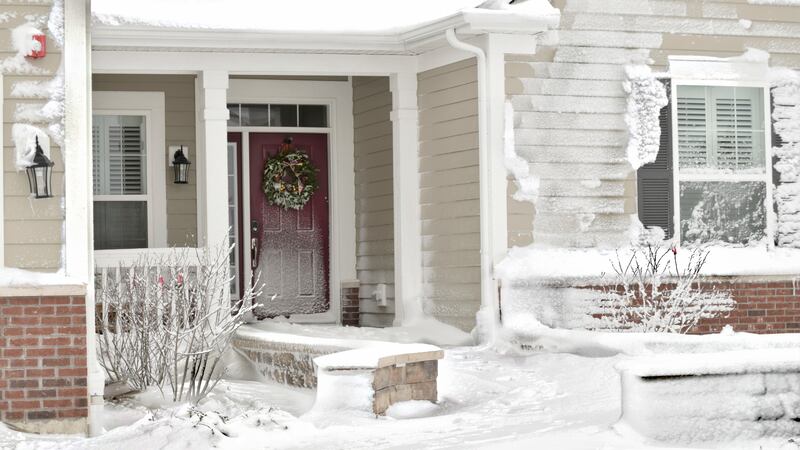
After snowfall, walkways, steps and driveways must be cleared to prevent injuries and to ensure emergency services have clear access. It is equally important to clear snow away from exhaust vents, gas meters and appliance vents to prevent dangerous carbon monoxide buildup indoors and away from basement windows to prevent leaks. Sealing cracks around windows and doors improves energy efficiency and moving valuables out of basements or other flood-prone areas is also a prudent safeguard.
“Do what you can to help protect yourself, each other and your most valuable assets,” said de Pruis.
Understanding coverage, seeking guidance
IBC explained that a homeowner’s insurance does not function as seasonal or ‘cold temperature’ coverage but rather covers specific, sudden incidents resulting from winter conditions, such as wind damage or water escape from a burst pipe. Some policies may also include additional living expenses if a home becomes uninhabitable due to a covered loss. The organization stressed the importance of understanding individual policy details.
For specific questions, homeowners should consult their insurance provider. For general inquiries, IBC offers assistance through its Consumer Information Centre at 1-844-227-5422 ext. 228 or through its official website.
RELATED STORIES:

