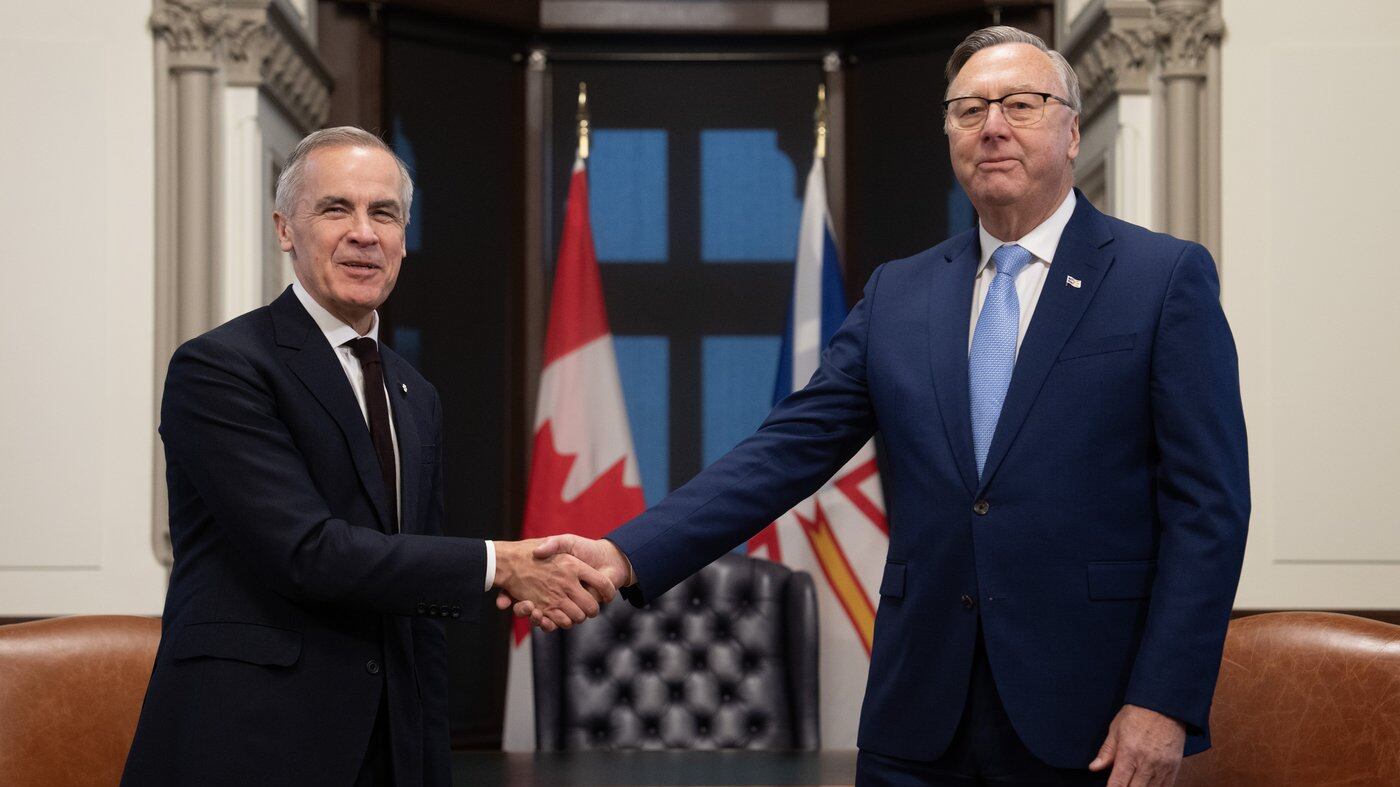
ST. JOHN’S — Newfoundland and Labrador has joined several other provinces and territories that are refusing to participate in the federal firearms buyback program, saying the initiative punishes hunters and law-abiding citizens.
Progressive Conservative Premier Tony Wakeham provided few details about what that meant for gun owners when he spoke to reporters in Ottawa on Wednesday. Wakeham said the program did not align with the way of life in his province.
“For Newfoundland and Labrador, hunting is part of our life,” the premier said. “To be able to live off the land is part of our life. And I do not want to see that impeded in any way.”
Ottawa has outlawed about 2,500 types of firearms since May 2020, including the AR-15. The government has labelled these weapons “assault-style firearms,” saying they belong only on the battlefield.
Owners of outlawed firearms have until the end of March to declare interest in the program offering them compensation for turning in or permanently deactivating their guns. Prohibited firearms and devices must be disposed of -- or deactivated -- by Oct. 30.
Newfoundland and Labrador joins several other provinces and territories refusing to partake in the program, including Manitoba, Yukon and Alberta.
The government of Saskatchewan has said hunting rifles and collector’s items are among the guns being banned. The province has promised to launch an online portal to provide appraisals for all firearms affected by the bans, and to change its legislation to require the Canadian government to provide fair compensation for any guns it seizes through the bans.
Canada has budgeted more than $700 million for the buyback effort. Wakeham said that money would better spent on efforts aimed directly at curbing crime, violence and repeat offenders.
The premier said he will be talking to the Royal Newfoundland Constabulary and the RCMP, the two forces operating in the province, about whether they will confiscate firearms in accordance with the bans.
“I believe this is not the right move by the federal government,” Wakeham said. “Whether it can be changed or not remains to be seen.”
By Sarah Smellie, The Canadian Press
This report by The Canadian Press was first published Jan. 28, 2026.

