New research shows that healthy poop is again improving the lives of cancer patients.
Poop pills developed at Lawson Research Institute have shown promise in the treatment of pancreatic, skin, and breast cancer.
The premise is simple: microbes of fecal matter taken from healthy donors are compressed into a pill and ingested.
The healthy poop then prompts healthy microorganisms inside the patient to fight cancer.
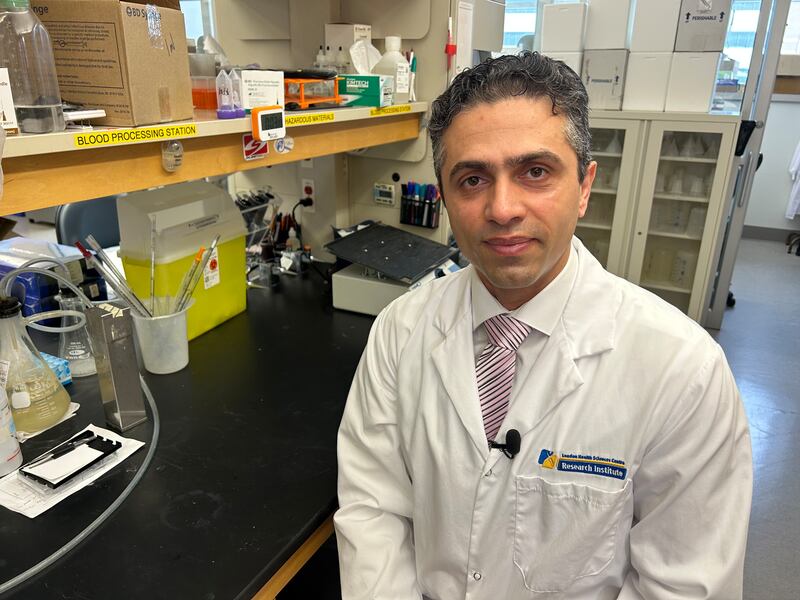
“Now you have a far more improved immune response that can go out and attack cancer cells,” explained Dr. Saman Maleki, the lead researcher on the study. It was conducted at the London Health Sciences Centre Research Institute.
In advanced kidney cancer patients, the team also found poop pills reduced the severe side effects of life-extending immunotherapy.
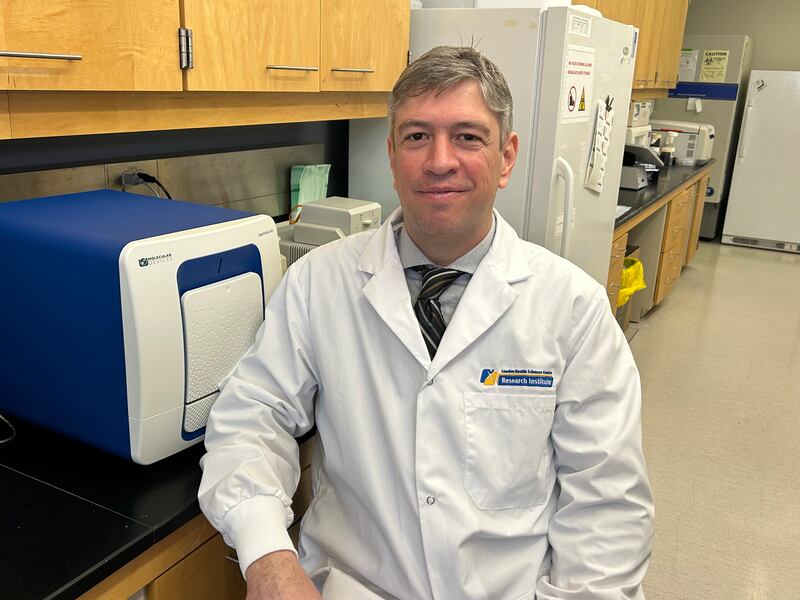
“We’re able to decrease the side effects of the pain in these patients, and they were able to still respond to the treatment. So that was very neat to see,” said Dr. Ricardo Fernandes, an oncologist aiding the team.
Before fecal microbiota transplant (FMT) or ‘poop pills’ were developed, Fernandes says as many as 50 per cent of kidney cancer patients were unable to withstand immunotherapy.
Yet, in the clinical trial of 20, only one participant experienced serious side effects, with Fernandes reporting a 50 to 60 per cent overall reduction in negative symptoms for all participants.
The result improved the quality of life and gave some patients a chance at a longer one.
“Patients, they want to live longer, but they also want to live better. So, by not having a lot of side effects of these treatments with the poop pills, they are able to have a better quality of life,” he said.
The findings are the latest in a growing list of studies that show that poop pills are making a difference in the fight against multiple types of cancer.
FMTs have already improved, and in some cases extended, the lives of small samples of pancreatic, skin, and breast cancer patients.
Maleki hopes a coming trial of 160 lung patients will show similar benefits. It follows a smaller study that found 80 per cent of patients with lung cancer responded to immunotherapy after ingesting FMTs.
In the meantime, Malecki says the team keeps working to help those fighting kidney cancer.
“Obviously, it’s a little too early to talk about survival for our patients, but we hope that we would see the same trend,” he said.
Should all go well, Maleki says it will be – at least five more years of testing – before poop pills are widely available in North America.

