
An emerging trend that encourages decreasing our reliance on digital convenience to foster greater understanding of technology’s role in our lives, is making the rounds on social media in 2026.
“Friction-maxxing” is an idea that embraces inconvenience and discomfort to build personal growth. It can be equated to modern day character building, increasing perseverance and resilience skills to be happier as a society.
Kathryn Jezer-Morton, an instructor with the humanities department at Dawson College in Montreal referenced the term friction-maxxing in an article published in New York magazine’s The Cut earlier this month. In it, she argues friction-maxxing is not only about cutting down on screen time, but building up one’s resilience for “inconvenience,” to eventually reaching enjoyment.
‘AI is the big elephant in the room’
With smartphones at our fingertips, simple tasks like searching through hard-copy-flyers to find the latest grocery deal, or even just calling a restaurant for that dinner order, have become less commonplace. Reducing the simple steps technology assists us with can be key, according to Paolo Granata, an associate professor in AI literacy and digital media literacy from the University of Toronto. He says introducing a “friction” can help foster resilience in the way we interact with technology.
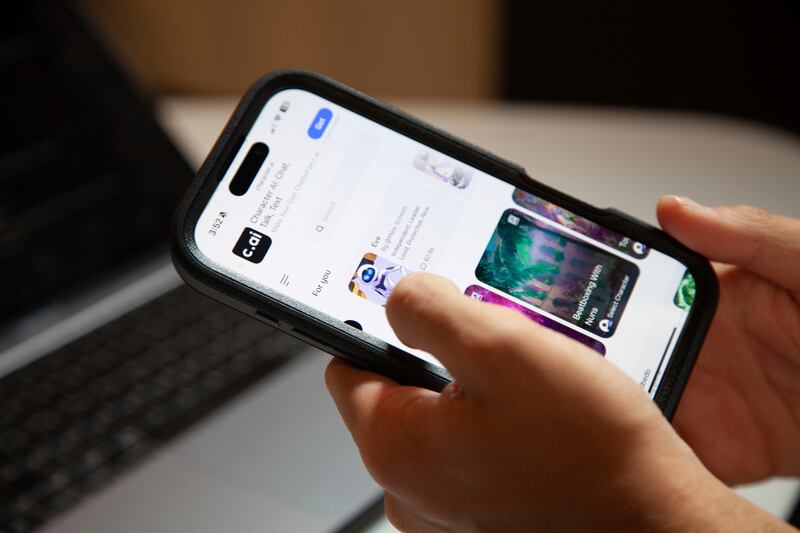
“When we automate, we tend to lose our own critical thinking, our own unique capabilities. And so, in a very practical, very practical level, when we delegate, we should reflect on again what we are delegating. If we are delegating something we are very good at, it’s OK, but if we are delegating something we are still not mastering that may be a big problem”, Granata said.
A study last year from KPMG International ranked Canada among the least AI literate nations in the world when it comes to understanding and trust in AI. While integration of artificial intelligence into the lives of everyday Canadians continues to increase, Granata warns against using the tech as an “oracle”. Using AI as a partner to assist in taking off a bit of the “friction” can be helpful in delegating routine tasks while not missing out on using our own critical thinking or our own unique capabilities.
“AI is the big elephant in the room here. Do not over rely on technology or artificial intelligence to accomplish things that we could accomplish by ourselves” Granata said.
‘Learning by suffering’
Granata likens friction-maxxing to virtue ethics rooted in ancient philosophy. The Stanford Encyclopedia of Philosophy describes virtue ethics as a branch of philosophy studied by Aristotle and Confucious, encompassing the development of good character traits that can lead to a more meaningful life.
“Humans are capable by taking advantage of adversities and experiences in life to learn how to live a good life. If we take all those basic principles that really are the fundamentals of the ethical virtues in our society, in a digital world, again, learning by suffering.” Granata explains. “Virtue ethics that is shared both in the west and eastern tradition, so in Aristotle and Confucius, is essentially the way that we can flourish as human beings by cultivating good virtues, good well being.”
Valuing the boredom and the moment you’re taking to complete a task is a key takeaway when it comes to friction-maxxing, Granata emphasized. Monotasking also has an important role. He says focusing on one thing at a time and doing our best in what we’re aiming to achieve, can give us time to reflect on our own abilities as well as our right to enjoy what we are doing.
“Taking it a bit slower so to understand how sometimes putting technology aside can better balance a better understanding of how we interact with technology”

