


A parasite that causes gastrointestinal illness is present in the drinking water on Kashechewan First Nation, Indigenous Services Canada has confirmed. The confirmation follows a water treatment system failure that forced the remote northern Ontario community to declare a state of emergency earlier this month.
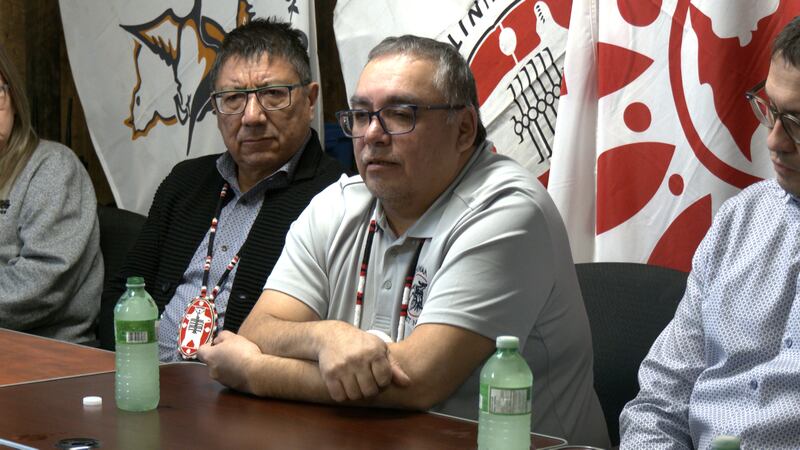
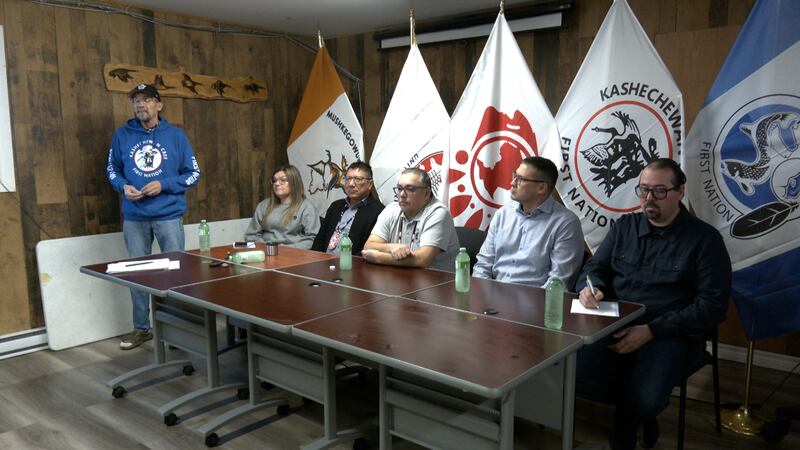
“As of yesterday’s numbers, I think the number is 63 people that have tested positive,” said the First Nation’s executive director, Tyson Wesley, speaking with CTV News on Friday.
“However, the number of people that did get it is probably much higher than what’s been reported.”
Cause being investigated
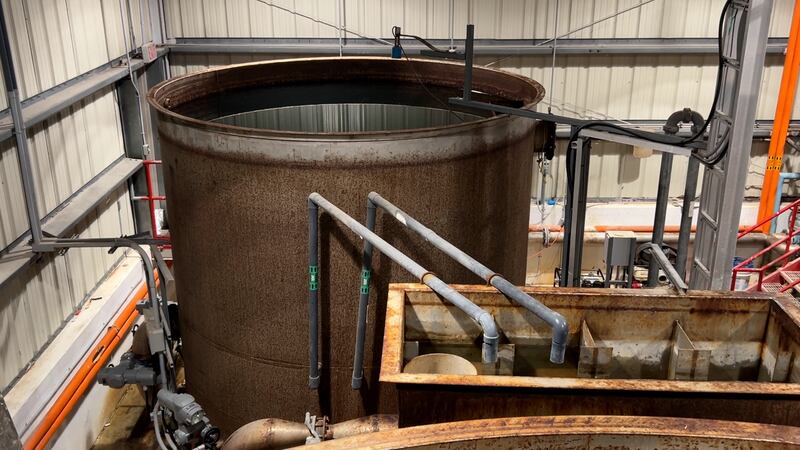
Community leadership is investigating how the parasite, cryptosporidium, entered the water system. Wesley pointed to infrastructure failures at the outset of the crisis.
“I know one of the big issues that we’ve had at the beginning of this crisis was that high lift pumps malfunctioned, and also, the valve that connects, that’s supposed to protect or block the sewage from entering the water plant, failed,” Wesley said.
“I’m not too sure if that caused it.”
Government responding
In a statement, Indigenous Services Canada said health services are being provided in the community and at host sites for evacuees.
“Most cases resolve on their own over a couple of weeks without the need for medication,” wrote Eric Head, a spokesperson for Indigenous services, in an earlier statement.
“However, antimicrobial treatment may be needed for immunocompromised individuals, young infants, and elders.”
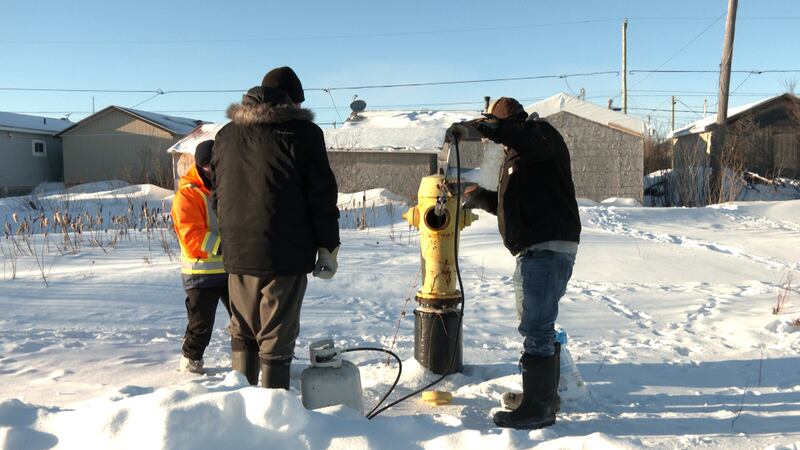
The ‘Do Not Consume’ water advisory remains in effect in Kashechewan as repairs to the water treatment plant continue.

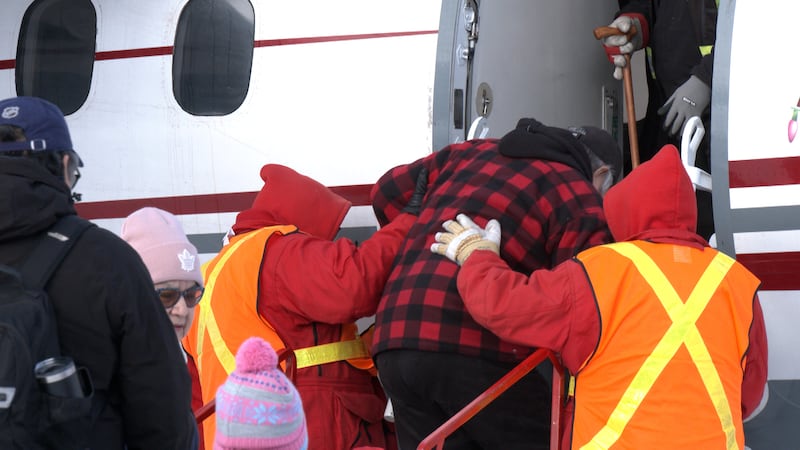
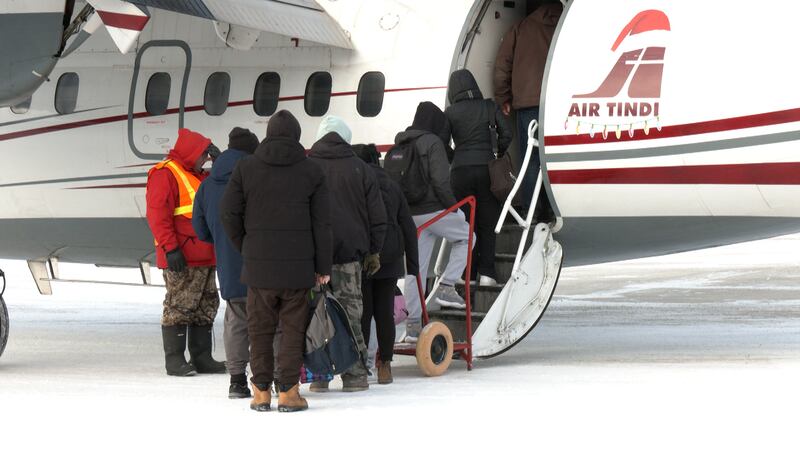
More than 2,200 of the community’s residents have been evacuated to several Ontario cities, including Timmins, Kapuskasing and Kingston and Niagara Falls with fewer than 500 remaining on the First Nation.
0 of 8
RELATED STORIES:
- Water crisis may have caused Kashechewan’s parasite cases
- Mobile clinic in Kapuskasing to support evacuees from Kashechewan
- Hundreds of Kashechewan First Nation evacuees arrive in Niagara Falls, Ont.
- Few hundred people remain in Kashechewan as water crisis force evacuations
- Pump failure triggered Kashechewan water crisis, community still evacuating
- First Nation leaders call for long-term solutions amid Kashechewan water crisis
- No timeline to fix Kashechewan’s ‘humanitarian’ water crisis
- ‘Woefully inadequate’ response to Kashechewan crisis, officials say
- Ont. First Nation plans to evacuate entire community after multiple water system failures
- First Nations chiefs alarmed by feds’ lack of commitment to protecting source water

