Canada has updated its travel advisory for Cuba, urging travellers to exercise a high degree of caution as the Caribbean country faces worsening shortages of electricity, fuel and basic necessities, including at resorts.
“The situation is unpredictable and could deteriorate, disrupting flight availability on short notice,” the notice said.
To reduce pressure on the electrical network, Cuba schedules long daily power cuts, but Ottawa says unexpected nationwide outages can also occur and may last more than 24 hours.
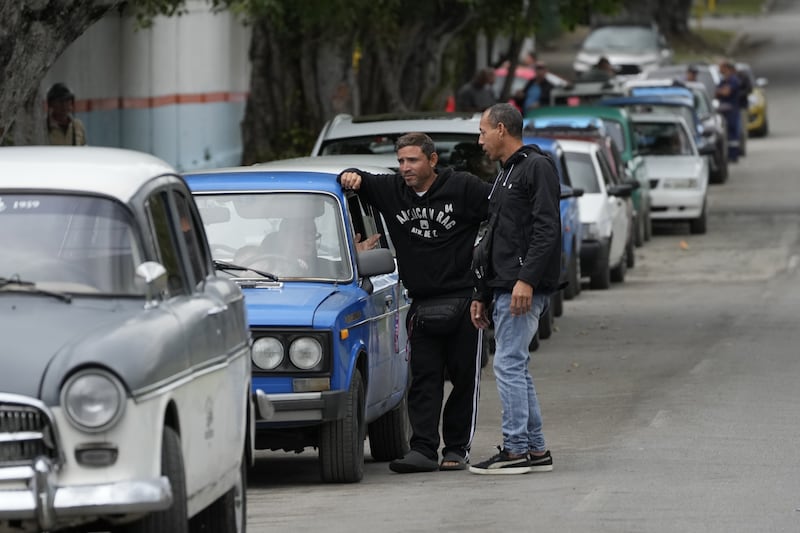
It also warns that fuel shortages have made travelling across the island extremely difficult, with public transportation frequently disrupted. Some travellers have been temporarily stranded with rental cars, while long lineups at gas stations have sometimes led to altercations.
Asked by CTV News, Global Affairs Canada (GAC) did not specifically say whether there are plans to issue a travel advisory warning Canadians against travel to Cuba, or what would be the threshold for issuing such an advisory.
Advice for Canadians already in Cuba
The federal government is urging Canadians currently in Cuba to stay informed, follow instructions from local authorities and register with the Registration of Canadians Abroad service so officials can reach them quickly in an emergency.
Wayne W. Smith, who serves as the director of institute for hospitality & tourism research at the Ted Rogers School of Management at Toronto Metropolitan University, said travellers on the ground should be prepared for prolonged power and communication outages.
“Take an actual paper copy of your passport, (because) if you run out of power, your phone may not work to show the picture of it,” he said in an interview with CTVNews.ca on Tuesday. “So, make sure that you have not just your passport, but also a paper photocopy of your passport.”
Smith also recommended carrying extra cash and essential supplies when possible.
“If ATMs are working, get yourself out some extra cash, just in case,” he said. “Try to make it small bills if you can … you’ll be able to spend a lot more.”
As for Canadians who live in Cuba, GAC is encouraging them to make sure their travel documents, and those of their loved ones, are up to date.
Guidance for Canadians with pre-booked trips
For Canadians with upcoming travel plans, Ottawa says travellers should be prepared to change their plans on short notice and ensure they have appropriate insurance coverage, including trip cancellation and interruption.
Smith said packing essentials is key, especially medication.
“Bring along any extra medication and any over-the-counter (medication) you may not be able to get,” he said. “For example, if you need headache pills, they may not be available in the same way or very difficult to find or can get very expensive during these times.”
He also advised packing extra clothing in case of flight disruptions.
“You also wanna make sure that you’re bringing a couple of extra days of clothes, just in case you get stuck in an airport or you have to fly somewhere else to get back home,” Smith said.
Travellers should also carefully review cancellation and refund policies before departure, he added.
Trump threatens tariffs on countries supplying oil to Cuba
Cuba is experiencing its worst economic crisis in decades, while U.S. President Donald Trump threatened late last month to impose tariffs on countries sending oil to the island.
Cuba’s oil, meanwhile, comes largely from three countries: Russia, an adversary of the United States; Mexico, where the government hopes to avoid tensions with the U.S.; and Venezuela, where U.S. troops captured and deposed the president early last month.
According to the White House, the threat of slapping tariffs on imports from countries providing oil to Cuba is aimed at “countering Cuba’s malign influence,” and “putting America first.”
Crime, cash and common sense
The advisory also warns that petty crime, including pickpocketing and bag snatching, occurs frequently in crowded areas, such as tourist zones, markets, beaches and public transportation. Theft from hotel rooms and rental cars is also common.
“It’s a matter of just having some common sense, making sure that if you’re travelling, you’re travelling out in groups,” Smith said. “Try not to get overly intoxicated … and put yourself into bad situations.”
While violent crime is not frequent, assaults can occur during robberies. Incidents of sexual assault against Canadian women, including at beach resorts, have been reported.
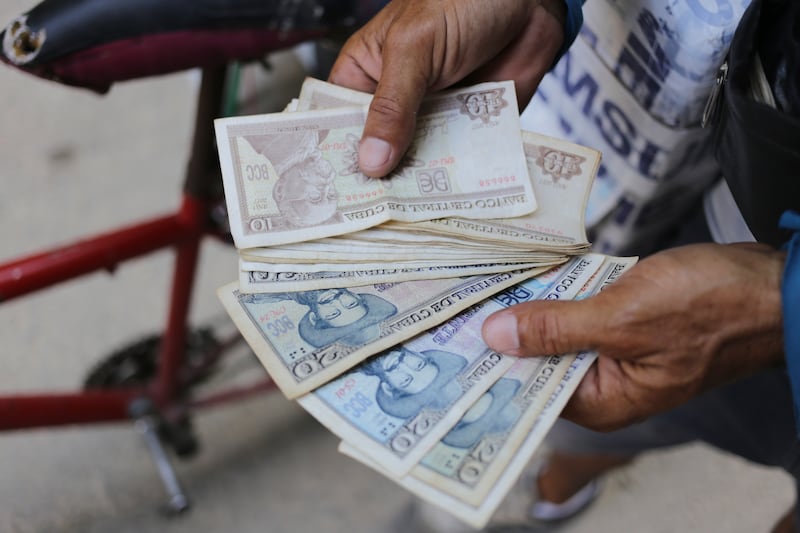
Because Cuba operates largely on a cash-based economy, travellers may need to carry significant amounts of money, something Ottawa says can increase the risk of theft.
“One of my big tricks I actually tell people to do is take a copy of your ID, the photocopy; take some cash, and put it in your shoe underneath the tongue, so that if anything ever happens, at least you have a copy of your ID and you have a few dollars in cash,” Smith said.
“Carry American (dollars) or euros, because if the power goes down, the credit card systems go down as well, and they don’t take Canadian cash in a lot of places.”
Tell people ‘exactly where you’re going’
Ottawa is advising Canadians to confirm their travel insurance coverage, including medical evacuation, and to register with the Canadian government before or during their trip.
“A lot of people use the travel insurance that comes with their credit card that usually doesn’t cover that much, so you might want to … buy some specific travel insurance, so in case something happens that you make sure that you’re covered,” Smith said.
He also noted that travellers should take basic steps to ensure someone at home knows their plans in case communications are disrupted.
“Make sure you let people know exactly where you’re going,” Smith said. “Give them a phone number, give them a contact number in case something goes amiss.”
Ottawa says Canadians should also know how to access help if they encounter serious trouble while abroad.
For emergency consular assistance, Canadians can contact the Embassy of Canada to Cuba in Havana and reach the Emergency Watch and Response Centre in Ottawa.

