


Medical staff have left a northern Ontario First Nation that was largely evacuated last month after its water system failed and a parasite that causes gastrointestinal illness contaminated its water supply.
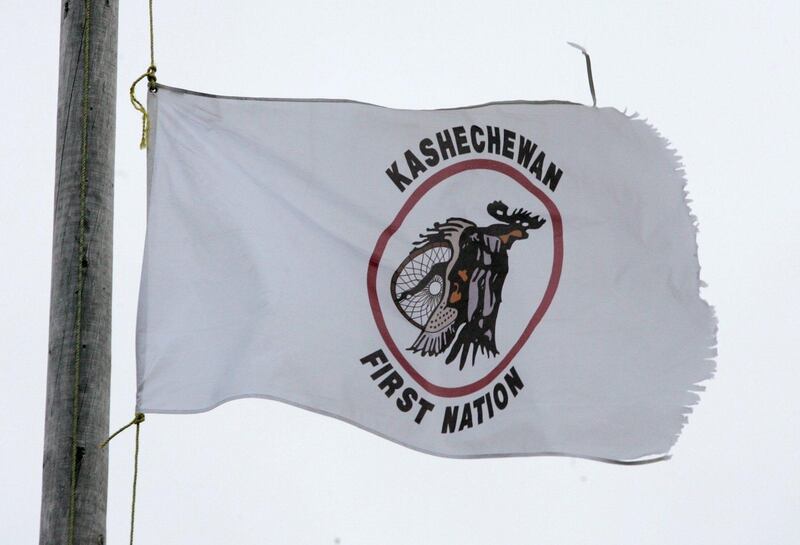
Indigenous Services Canada says all remaining nurses left Kashechewan First Nation on Monday after consultation with community leaders.
“Nursing support for evacuated community members will also continue,” department spokesperson Eric Head said in an emailed statement.
“ISC nurses will maintain remote access to electronic medical records and will continue supporting patients at host sites.”
Head said people who remain in the community will be able to access health services at a hospital in neighbouring Fort Albany, and Ornge air ambulance has also been notified and will provide emergency medical transport as needed.
“ISC is working collaboratively with the First Nation, Weeneebayko Area Health Authority, Ontario Ministry of Health, and Ornge air ambulance service to ensure there is a plan for alternative access to health services for those who choose to remain in Kashechewan,” he said.
“ISC nurses will return to the community when the evacuated community members return, which will be determined by the First Nation.”
Officials at the fly-in community on the western shore of James Bay declared a state of emergency on Jan. 4 after infrastructure damage created a public health and safety issue, with sewage creeping into people’s homes and contaminating fresh water systems.
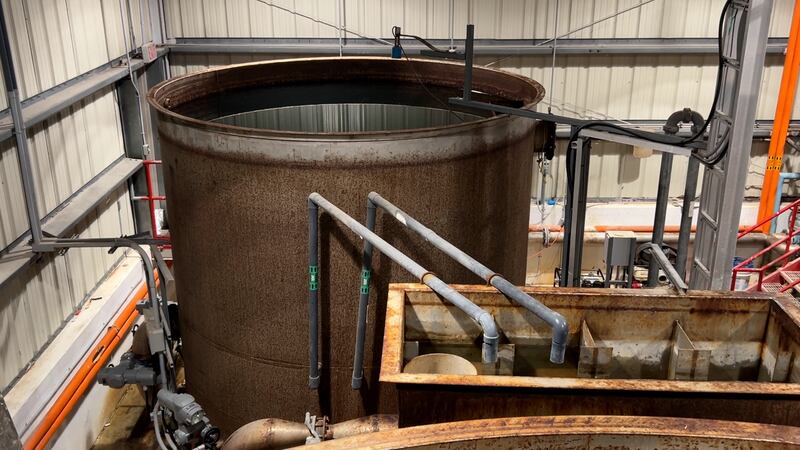
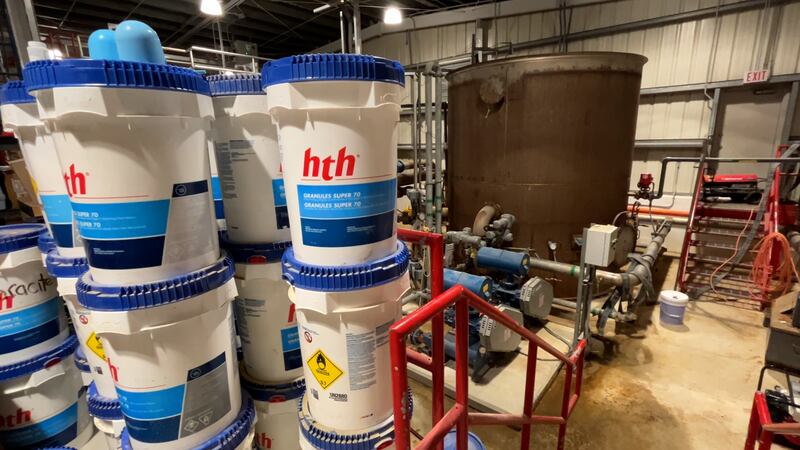
The community’s executive director Tyson Wesley says new test results from the water plant show the water is contaminated with a parasite called cryptosporidium.
“It seems like cryptosporidium is in the water system and also in the distribution system in the community”
— Tyson Wesley, Kashechewan First Nation's executive director
“It seems like cryptosporidium is in the water system and also in the distribution system in the community,” Wesley said.
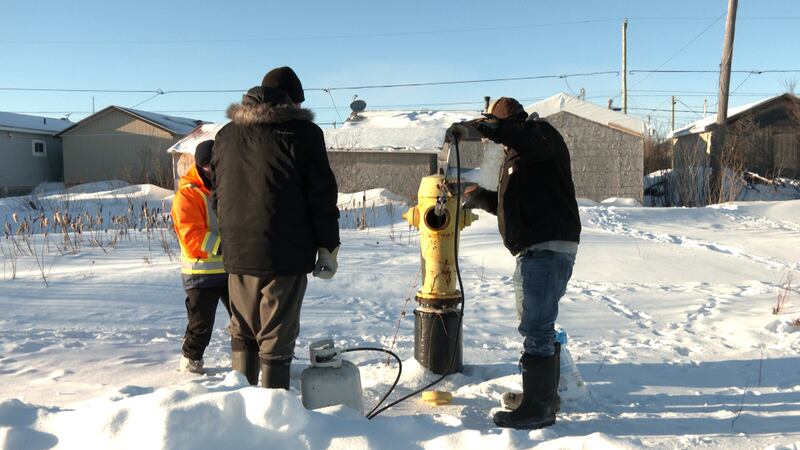
“We’re asking people to not wash their dishes with the sink water, tap water. So we’re asking them to use the bottled water,” he added. “We’re asking them to be careful not to consume anything, so we’re still on a do not consume advisory in the community.”
“It seems like cryptosporidium is in the water system and also in the distribution system in the community,” he said.
“We’re asking people to not wash their dishes with the sink water, tap water. So we’re asking them to use the bottled water,” he added.
“We’re asking them to be careful not to consume anything, so we’re still on a do not consume advisory in the community.”
ALSO READ:
- Health-care workers being forced to leave Kashechewan
- Parasites confirmed in Kashechewan’s water supply, dozens ill
Indigenous Services Canada said cryptosporidium causes gastrointestinal symptoms and most cases resolve on their own over a couple of weeks without medication, although some people may need antimicrobial treatment.
Wesley said at least 63 people from the community have been diagnosed with cryptosporidium – including himself – but many people were not tested or only had minor symptoms.
“The number is definitely much higher than what we’re reporting,” he said.
“Everybody is different. Like myself, I had most of the symptoms, but not the cramping that people experience, so it kind of varies with individuals,” he said.
He said common symptoms that people are struggling with include diarrhea, nausea, fever, cramps and vomiting.
“A conversation that I had with one person today is his partner had to get four bags of IV. That’s how dehydrated the person was,” he said.
“Even myself, I had two bags of liquid saline or IV on me when I got sick.”
He says about 370 people were still living in the community as of last week, after more than 1,500 people were evacuated to communities across Ontario including Niagara Falls, Timmins, Kapuskasing and Kingston.
0 of 8

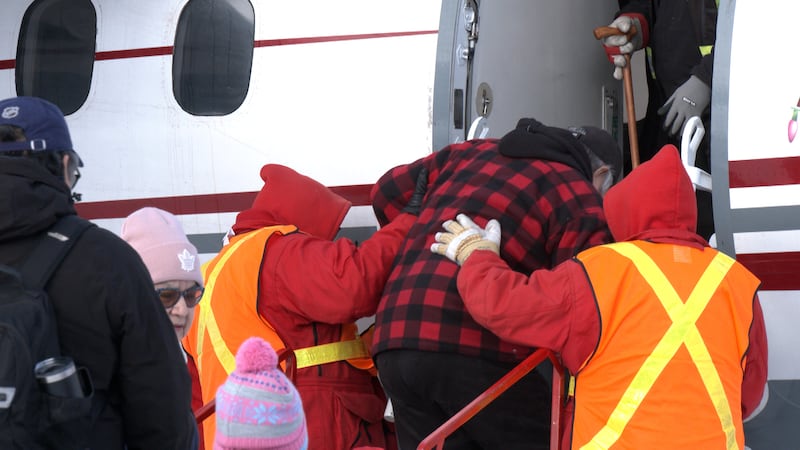
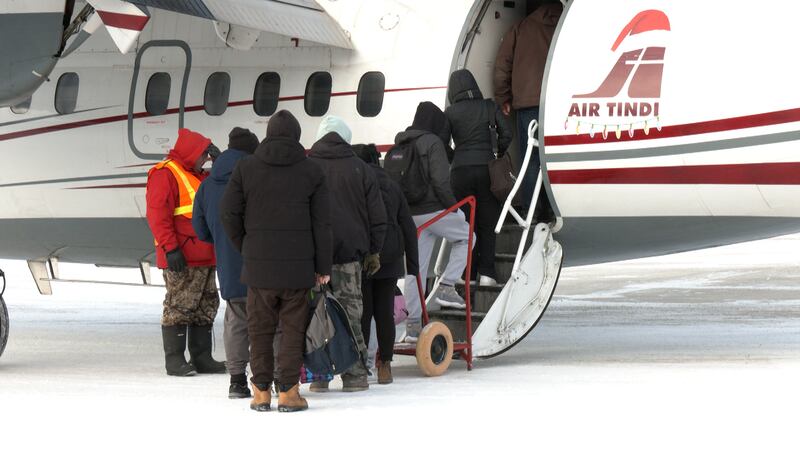
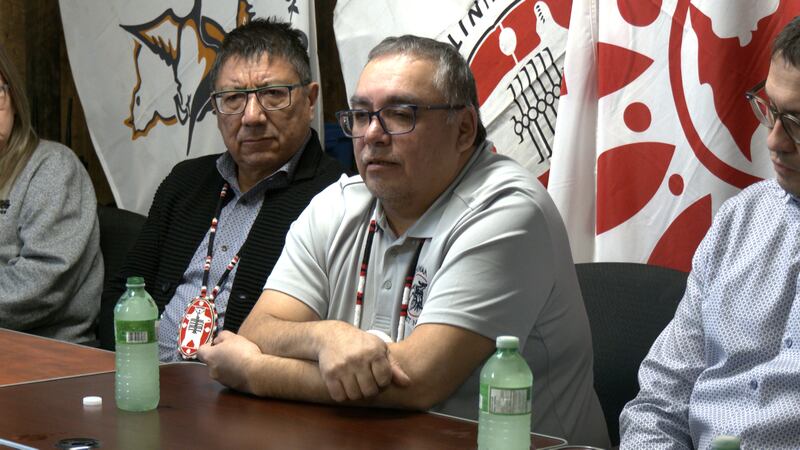
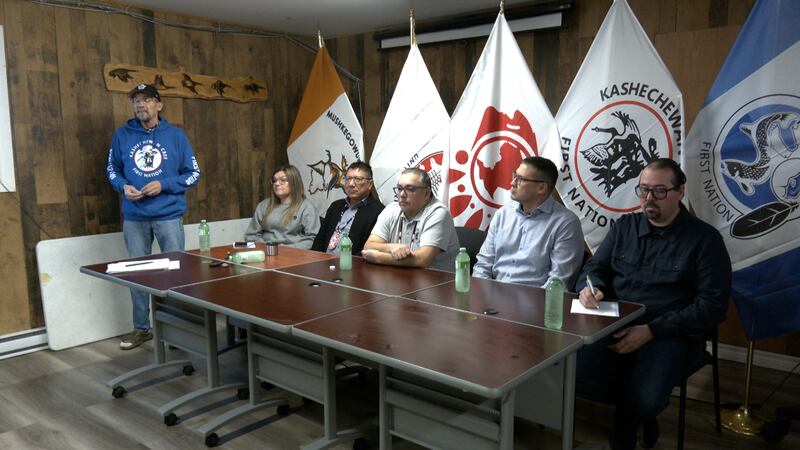
Wesley said it is unclear when people will be able to return home, but he and other community leaders are travelling to host communities to speak with those who have been evacuated.
“We’ve been updating constantly with the community members, but we just want to kind of go and hear them out and kind of get a sense of what they’re thinking,” he said.
“At the moment there’s just no clear, clear timeline for when people will be coming back home.”
This report by The Canadian Press was first published Feb. 4, 2026.
Maan Alhmidi, The Canadian Press
RELATED STORIES:
- Kashechewan health workers evacuate; services arranged for those staying
- Mobile clinic in Kapuskasing to support evacuees from Kashechewan
- Few hundred people remain in Kashechewan as water crisis force evacuations
- Pump failure triggered Kashechewan water crisis, community still evacuating
- First Nation leaders call for long-term solutions amid Kashechewan water crisis
- No timeline to fix Kashechewan’s ‘humanitarian’ water crisis
- Ont. First Nation plans to evacuate entire community after multiple water system failures

