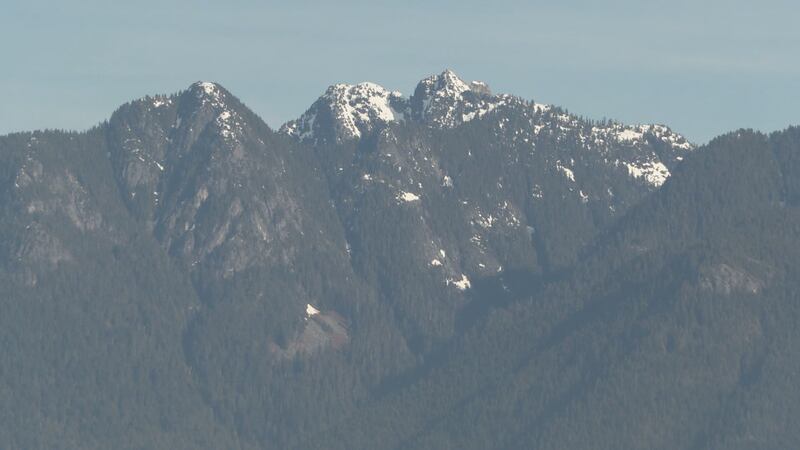
The calendar might read Feb. 5, but the conditions outside would suggest late spring or early summer.
On Thursday, temperatures once again climbed into the double digits in many parts of B.C.’s Lower Mainland, leaving many wondering if the region will be void of snow this winter.
So far, the weather station at Vancouver International Airport has yet to record any snow this season. If the trend continues into the spring, Vancouver will be on track for its first snow-free winter in 43 years.
The mild winter and the recent shift in weather allowed for the Grouse Grind in North Vancouver to open on Wednesday.
The popular trail closes every year for the winter when conditions are too hazardous, and the reopening date is weather-dependent.
Metro Vancouver, which operates the trail, told CTV News that last year the trail opened in April, and it typically opens between mid-April and mid-May, making this year unusually early.
“At the moment, there is no snow or ice anywhere on the trail, so that led us to deciding that we could open it safely at this time,” said Tyler Langeloo, Metro Vancouver’s supervisor of park operations.
He went on to say that the reopening of the trial is temporary, and it could potentially be closed again if adverse weather hits.
Typically, Langeloo says, the trail will see around 250,000 visitors per year, but that number will be surpassed if the Grouse Grind can stay open through to the fall.
Even though the conditions appear to be spring-like, he warns hikers to be cautious.
“It’s really important to recognize that you are traveling in a mountainous environment. The trail may look clear and open down here and without any snow. But as you travel further up the mountain, you may encounter ice (and) snow,” Langeloo told CTV News at the base of the Grouse Grind.
Local snowpack
The warm and mild conditions sweeping the region have led to questions about the health of the snowpack.
Metro Vancouver field hydrologist Peter Marshall explained that snowpack levels in the watershed areas are at around 60 per cent of their historical average for Feb 1.
“The last few years, we’ve been in a similar place, mid-winter, but we’ve seen a big rebound as we get into March. So we’re certainly hoping for that,” said Marshall. “It is always concerning to have that mountain reservoir be lower than normal.”