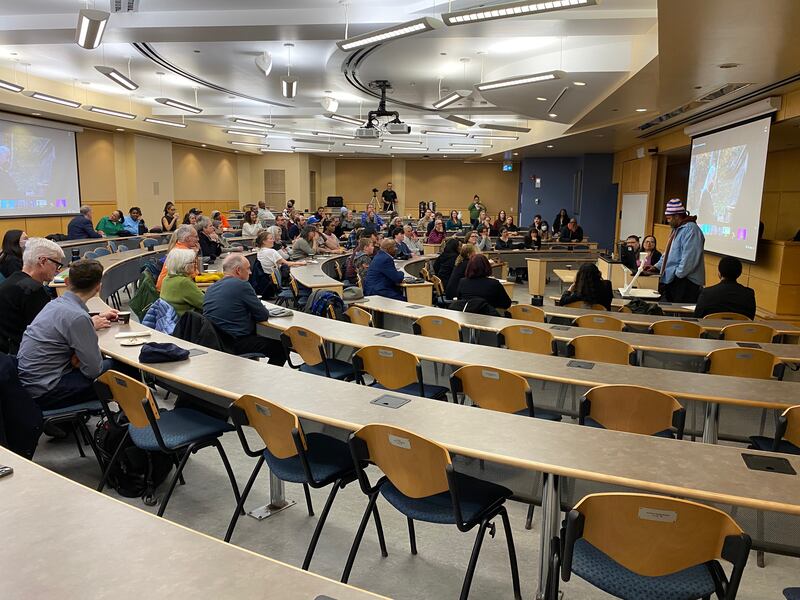
A discussion at the Dalhousie University’s Schulich School of Law in Halifax Thursday night focused on the last man executed in the city.
About 50 people turned out for the public event, which re-examined the case of Daniel Perry Sampson.
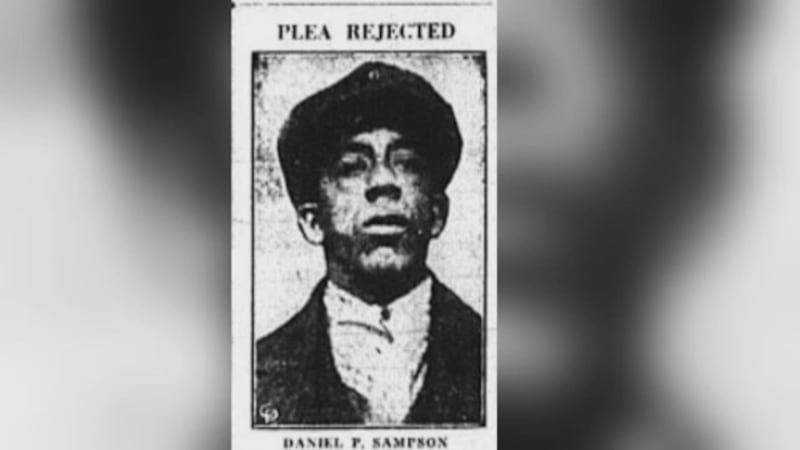
Sampson, a Black man, was a member of the celebrated No. 2 Construction Battalion in the First World War.
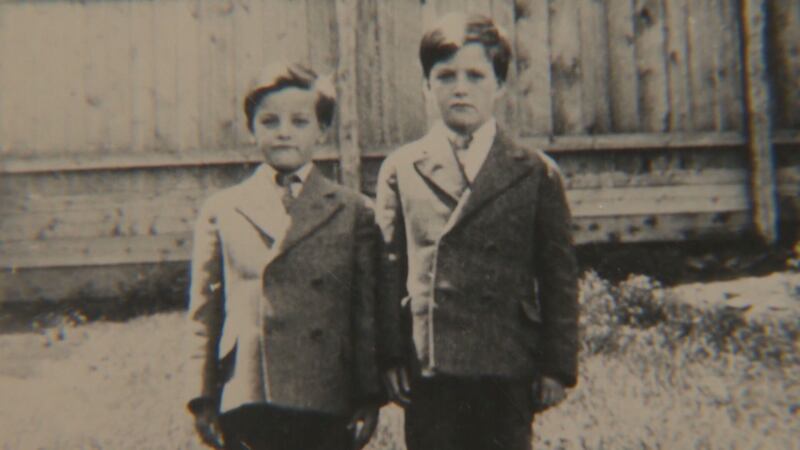
By 1933 the unemployed labourer was arrested and charged with murder after the bodies of two young white brothers, named Edward and Bramwell Heffernan, were found by railroad tracks in Halifax’s Chain Lake area.
The case went all the way to the Supreme Court of Canada, but Sampson’s conviction stood.
He was hanged behind a Halifax courthouse on March 7, 1935.
Some of his descendants say he was wrongfully convicted and argue newly-discovered evidence proves it.
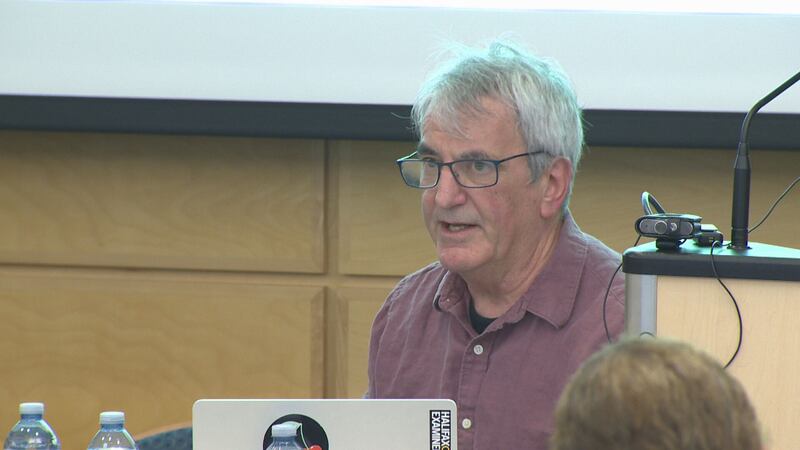
“Over the last couple of years, I’ve been able to identify at least 16 pieces of new evidence. Probably the biggest of which is a purported confession by Daniel P. Sampson that we now believe was forged and wasn’t his at all,” says David Steeves, a Toronto-based lawyer for Sampson’s great-great-grandson, Lance Sampson.
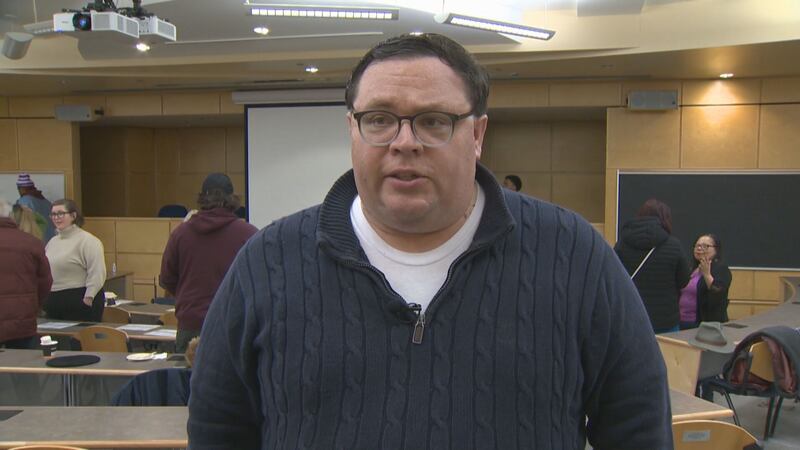
It was originally believed Sampson was unable to read or write. Steeves says he has found documents within the Nova Scotia Archives that prove Daniel Sampson knew how.
“He was taught and learned during his service to Canada in World War One and he signed his military documents with a full signature and then signed his marriage records with a full signature nine years before he was arrested,” he says.
Steeves was also able to find the RCMP investigative file at Library and Archives Canada.
“And that document includes multiple pieces of fresh evidence that strongly suggest police and prosecutorial misconduct,” he says.
Halifax journalist Tim Bousquet has extensively covered the case and says Sampson was “completely innocent.”
He believes the Heffernan boys died from an “interaction with the train.”
“The evidence is that it was a terrible accident and there was no crime whatsoever,” he says.
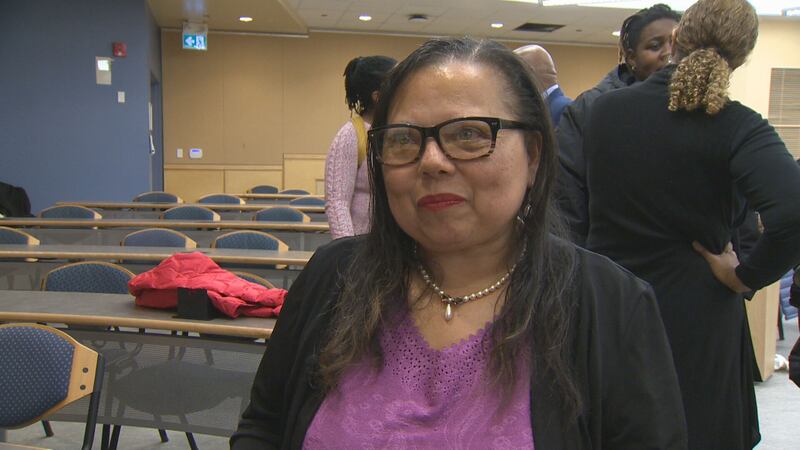
Florence Mae West, a distant relative of Sampson’s, says a lot of the information presented during Thursday’s event was new to her.
“The injustice, to me, is atrocious, learning more about the facts and the injustice that happened during that time, but it’s not surprising that it did happen at that time,” she said.
“But to hear that he was so unjustly accused and he did not even have any peers from his community there to support him or to even ask the question to whoever was making the decision, questions about this or that that just didn’t add up.”
Steeves is taking steps to advance the case, which Dalhousie Law says would make it the first posthumous review of a capital case in Canadian legal history.
“It’s currently before the Criminal Conviction Review Group and subject to their review and the decision of the minister of justice, hopefully will be referred to the Nova Scotia Court of Appeal,” Steeves says.
CTV News Atlantic did special reports on the case in 2017, including arranging the first-ever meeting between the Heffernan and Sampson families.
The Sampsons never spoke publicly before then, and family members revealed he seemed different after returning from his military service.
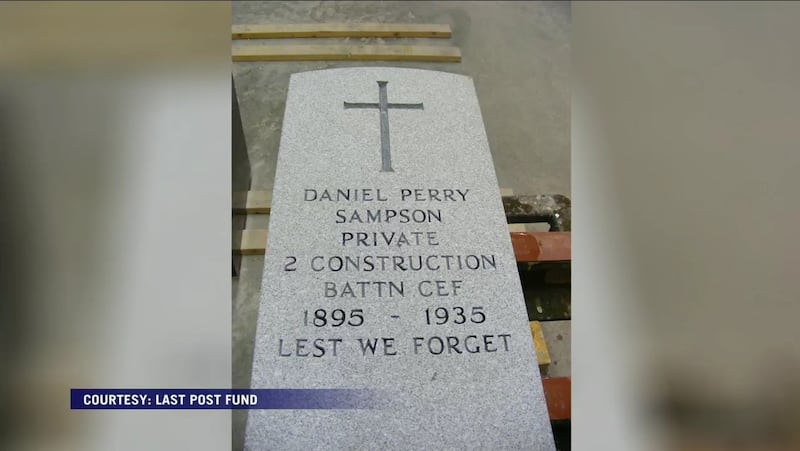
The exposure prompted the Last Post Fund to install a grave marker for Sampson, who is buried in the same cemetery as the Heffernan brothers.
Dalhousie says Thursday’s event will be shared on Schulich Law’s YouTube channel at a later date.
With files from CTV Atlantic’s Bruce Frisko and Jim Kvammen
For more Nova Scotia news, visit our dedicated provincial page

