Sports betting has undergone a dramatic shift in recent years, moving from a niche activity to something many Canadians can access instantly from their phones.
But as sports fans prepare for Super Bowl 60 on Sunday between the New England Patriots and Seattle Seahawks, gambling researcher Nigel Turner says that convenience has fundamentally changed both who gambles and how risky the behaviour can become.
Turner, an independent scientist who studies gambling at the Centre for Addiction and Mental Health (CAMH), says sports betting used to involve a relatively small portion of the population.

Turner says that despite slot machines and table games still accounting for the most gambling-related activity, sports wagering now reaches far more people than it once did.
“Easy access makes it hard; (it’s) easy to start the habit of gambling and hard to stop,” Turney said in an interview with CTV’s Your Morning Thursday, noting that the issue extends beyond sports betting to gambling more broadly.
In 2021, Parliament legalized single-event sports betting, allowing provinces to regulate and manage gambling within their own borders. Ontario moved quickly, launching iGaming Ontario in early 2022 and opening the market to dozens of private operators, from small platforms to major international brands like DraftKings and BetMGM.
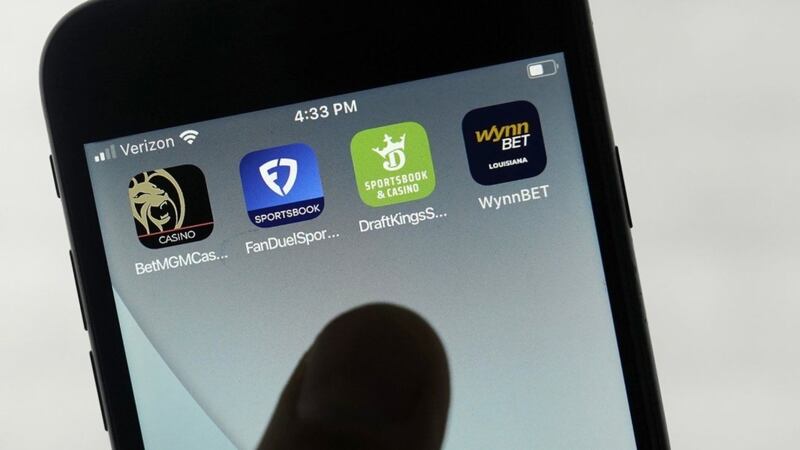
With that expansion came a surge in advertising, something Turner says remains concerning even after Ontario banned celebrity endorsements in 2024. While he welcomed restrictions on celebrities who appeal to youth, he believes the sheer volume of ads still poses risks, particularly for young people who are constantly exposed to gambling promotions during sports broadcasts.
One of the biggest changes, Turner said, is the nature of the bets themselves. Today’s “micro-bets” allow wagers on almost every moment of play, from point spreads to minute details during the game.
“Traditionally, sports betting was very discontinuous,” he said. “You would make a bet and wait until the outside of the game. But with many of these micro-bets, it’s now a continuous opportunity for gambling,” he said.
“That makes sports betting more like gambling on a slot machine,” he added.
Recognizing a gambling problem can be difficult because it’s often hidden, Turner said. He advised to look for signs of dramatic mood swings during games, excessive excitement or anger over outcomes or frustration, even when a team wins - particularly if a bet tied or the point spread fails.
For those who choose to gamble, Turner emphasized that setting firm limits is essential.
“Only gamble with money you can afford to lose, because as soon as you start expecting to win, then you are potentially leading to trouble,” he said.
“Don’t chase losses if you lose.”
According to Turner, it’s important to recognize that betting companies and odd makers always have the advantage.
Legal gambling ages vary across the country - 19 in most provinces and 18 in Alberta, Quebec and Manitoba - but Turner says regulation alone cannot address the risks.
As sports betting becomes more accessible and immersive, he warns that understanding it’s addictive potential has never been more important.

