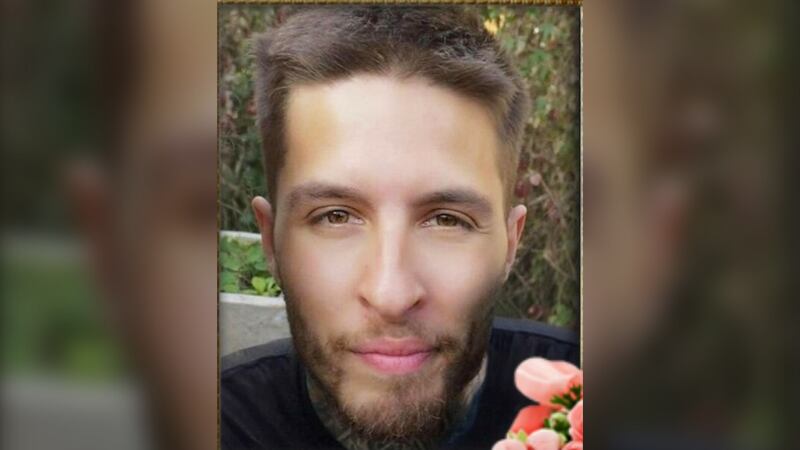
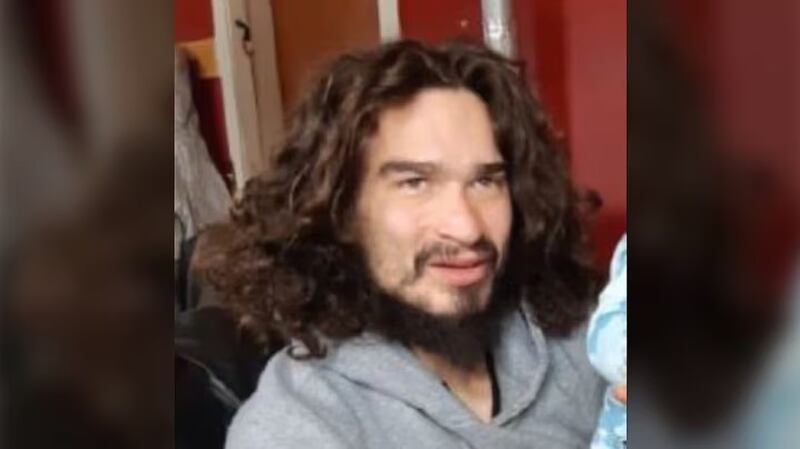
Sadness, frustration and too many emotions to name. That’s what the family of Nathan Pregent-Daoust said they feel every day since he was killed.
Nathan was brutally beaten while in custody at the Algoma Treatment and Remand Centre on Oct. 8 of last year.
On Oct. 14, Sault police charged fellow inmate Eric Mearow with second-degree murder in the incident.
Police said that “an investigation revealed the accused started a verbal altercation with the victim before punching and stomping on them multiple times.”
Mearow, 40, has a long rap sheet, including a conviction for a 2011 murder and dismemberment of a victim. The family can’t understand why a non-violent offender was in the same cell with such a dangerous person.
Nathan’s mother, Liette Pregent said the difficulties of losing a child have been compounded by the circumstances and location of Nathan’s death.
“I’m struggling day by day, just wishing this was just a blur,” she said.
“But we know it’s not.”
‘He was very much loved’
Nathan’s younger brother, Jordan Pregent, describes him as a “good older brother, he was always there with a smile on his face and he was very much loved. This takes a toll.”
Nathan’s step-father, Darin Schwemler, said his son and Mearow being together was a problem from the start.
“He should not have been in the cell with my son at all,” Schwemler said.
“Eric Mearow has a history of violence. He should have been in a separate location in the building. He (Nathan) had mediocre charges ... he’s not violent.”
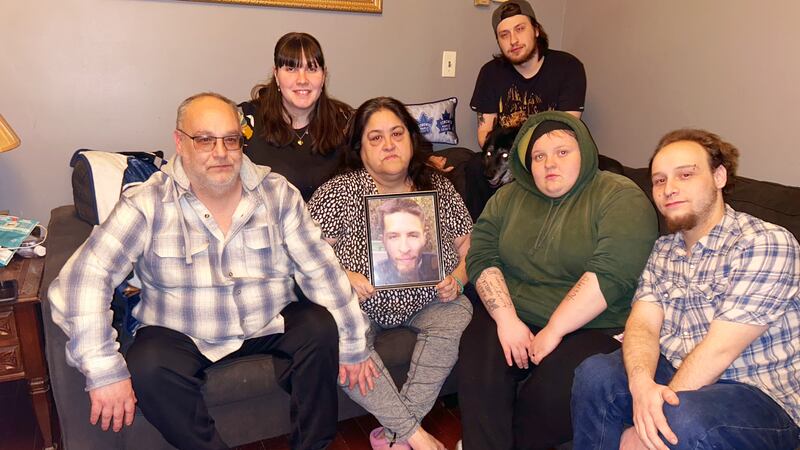
The family is now taking legal action in response. In a statement of claim filed Feb. 5, they are seeking $4 million in damages.
The defendants named in the suit include Mearow, the Government of Ontario, the Algoma Treatment and Remand Centre, as well as six employees of the remand centre who were on duty at the time of the incident.
Lawyer Justin Linden, who represents the family, said they want answers and justice for what happened to Nathan and compensation.
Should have been safe
“At the end of the day, Nathan was a non-violent individual who was in the custody of the people responsible for the jail,” Linden said.
“He should have been safe there. And instead of being safe, he was violently murdered.”
They have received no response in the week since the legal action was filed, he added.
In a statement to CTV News, a representative for Ontario’s Solicitor General said the ministry can’t comment “on ongoing legal proceedings.”
Schwemler said their goal with the lawsuit goes beyond financial damages – he wants it to be a wake-up call for the justice system.
“We’re hoping that this opens up the eyes of a lot of people (so they) realize that this is happening in our criminal system,” he said.
“The amount of pain and grief that it brings on a day-to-day basis is definitely hard. It’s not a situation we can fix, but we can try and bring light and justice to it.”
— Allesha Schwemler, Nathan’s older step-sister
“It shouldn’t be happening where it’s happening. And some things need to be done … things need to change.”
Allesha Schwemler, Nathan’s older step-sister, said the legal process has been taxing on the family.
“The amount of pain and grief that it brings on a day-to-day basis is definitely hard,” Allesha said.
“It’s not a situation we can fix, but we can try and bring light and justice to it.”
It’s the least they can do for Nathan’s now nine-year-old son, Mason.
“He’s a sad little boy right now because he doesn’t know how to handle his father being gone,” Schwemler said.
“He just wants his father there.”
Dakota Schwemler, Nathan’s step-brother, said Mason has been robbed of the chance to grow up with his dad.
“He’s never going to truly know his father,” Dakota said.
“He’s only going to have those glimpses -- and it’s never going to be the same as actually having that person.”
Linden said he expects that discovery in the lawsuit will take place this fall, bringing what the family seeks out most: answers.
“(It’s) one of the most important instruments of a civil action,” he said.
“It’s the right to ask questions of the other side, to get production of documents, and to find out … how this possibly could have happened.”

