A growing trend dubbed “sleep divorce” has been making the rounds, recently, but what does the term actually mean?
A sleep expert says it might sound “harsh,” but in reality it just means couples stop sleeping in the same bed for the sake of a happier relationship.
Amanda Jewson told CTV Your Morning earlier this week that all the term means is making a “conscious decision” to “uncouple overnight.”
“I have friends who did it because a partner worked odd hours. They were a doctor, and they were coming home at weird hours, and it was bothering the other person,” Jewson explained. “Other folks may do it because of snoring, apnea, restless leg, too much movement, and it’s just one person waking up the other frequently, and it’s creating conflict.”
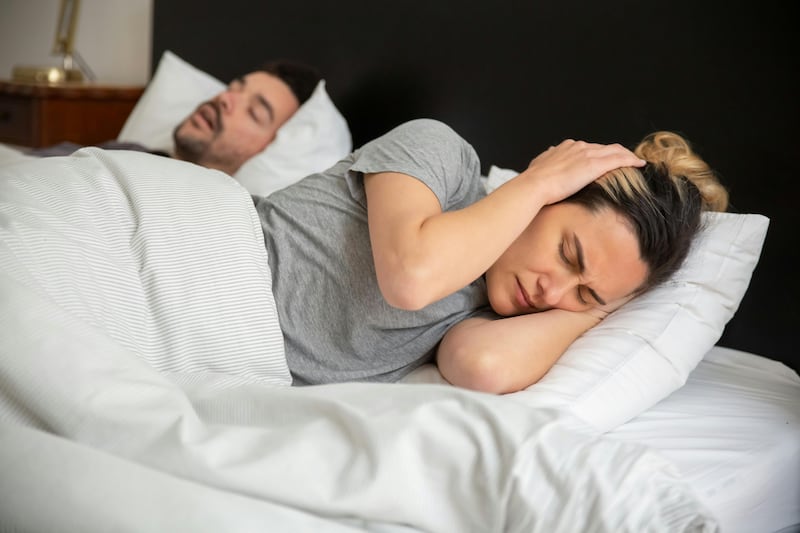
According to Jewson, sleeping apart can help couples cope better with disagreements. If a couple has conflict about sleeping habits, they are going to be carried over into the next day, she said Wednesday.
“We want to create scenarios where people have the opportunity to hate their partner less in the day,” she said.
“If you’re fighting about sleep, then you’re not sleeping. You’re also going to be more tired, less tolerant, probably more reactive,” Jewson added. “The fights are going to be bigger. And this vicious cycle that keeps going.”
However, she pointed out that it’s important for couples to keep their “shared rituals” and create time for them, if they are going to try a sleep divorce.
She listed examples: “At this time, we’re going to watch a show together. This time we’re going to turn off our phones and TVs and have a chat… Really create that shared ritual, connect often with your partner and adjust as needed, and see how it feels. You might change your mind.”
The most common complaint she said she’s heard from her clients is that their partner moves a lot during the night.
For those who don’t want to try a sleep divorce, Jewson recommends thinking about buying a mattress that can support movement and motion, getting a larger size, or buying two separate mattresses – all of which can help.
“Obviously, I’m going to be partial to seeing a professional if you have apnea, if you’re snoring, if you’re moving constantly and the culprit doesn’t feel rested, (then) it’s time to see a doctor,” Jewson said.
Another thing to try is to chat with your partner about readjusting schedules so they can line up better, she said. It may be possible to meet in the middle or readjust.

