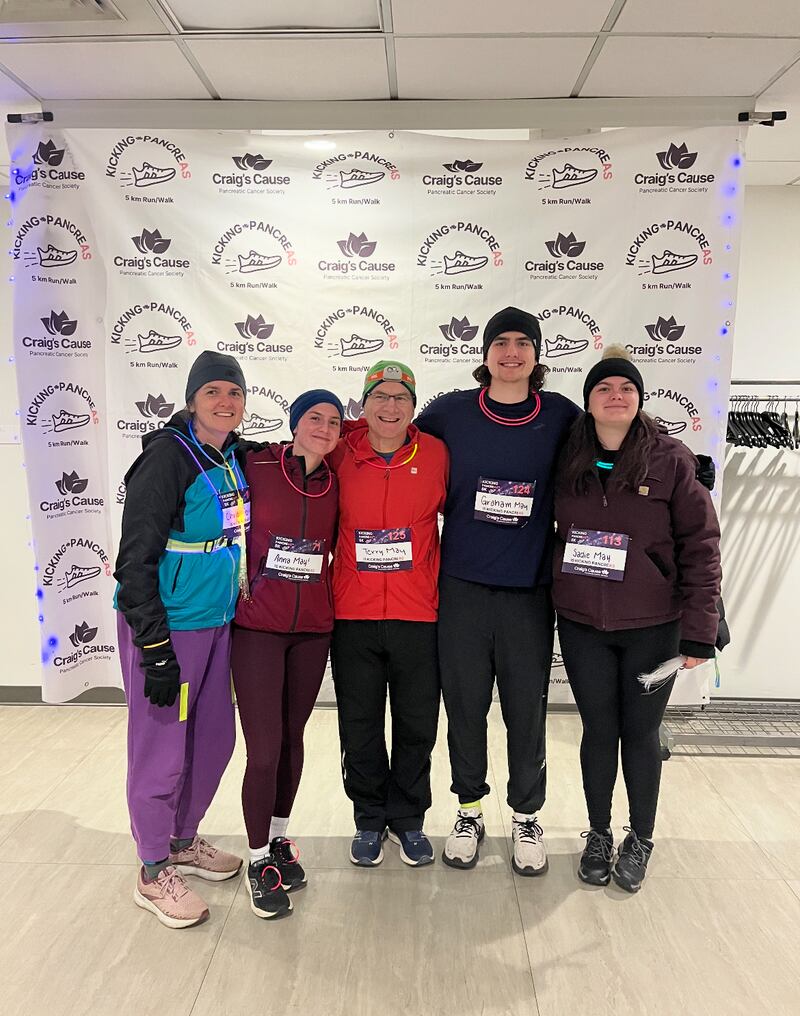
WINNIPEG - Terrence May has always been an active person. He runs, cycles, and plays hockey.
But last spring, he said, he felt something was off.
“I was having difficulty completing my runs and was getting fatigued very easily,” said May, who is an emergency physician. “A couple of my colleagues were commenting at work that I was losing weight, and I had a little bit of abdominal pain.”
He booked an appointment with his family physician and got some imaging done.
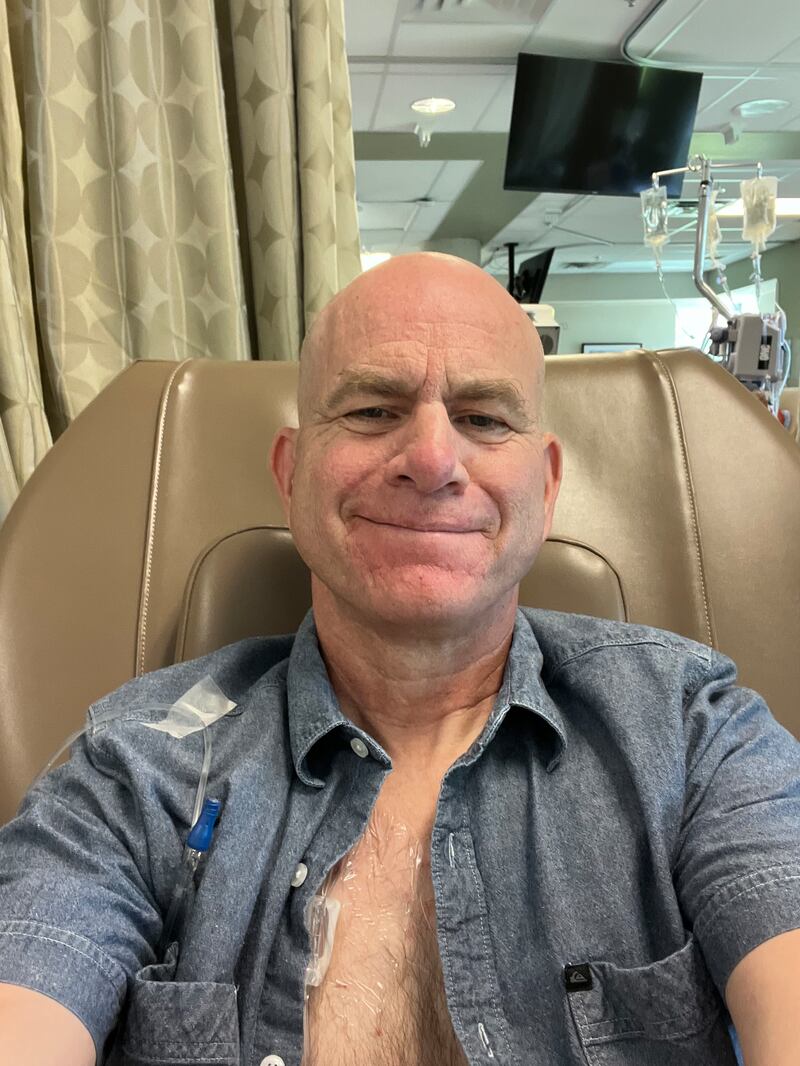
“Unfortunately, it showed a lesion in my liver and multiple lesions in my lungs, so it was the day I got diagnosed with Stage 4 cancer,” he said.
May was diagnosed with intrahepatic bile duct cancer, also known as cholangiocarcinoma.
A rare and aggressive cancer
More than 600 Canadians are diagnosed with cholangiocarcinoma each year, according to the Canadian Cancer Society.
The disease is considered rare and often detected at an advanced stage. As a result, the five-year survival rate is just nine per cent.
May underwent molecular testing with support from the Canadian Cholangiocarcinoma Collaborative, a partnership between patients, caregivers, oncologists and researchers. He has also received chemotherapy and immunotherapy, but the treatments have not stopped the cancer’s progression.
“I’ve unfortunately had to stop treatment,” he said. “It’s a palliative diagnosis, so you focus on making as much time as you can for your friends and your family.”
‘My mom got robbed’
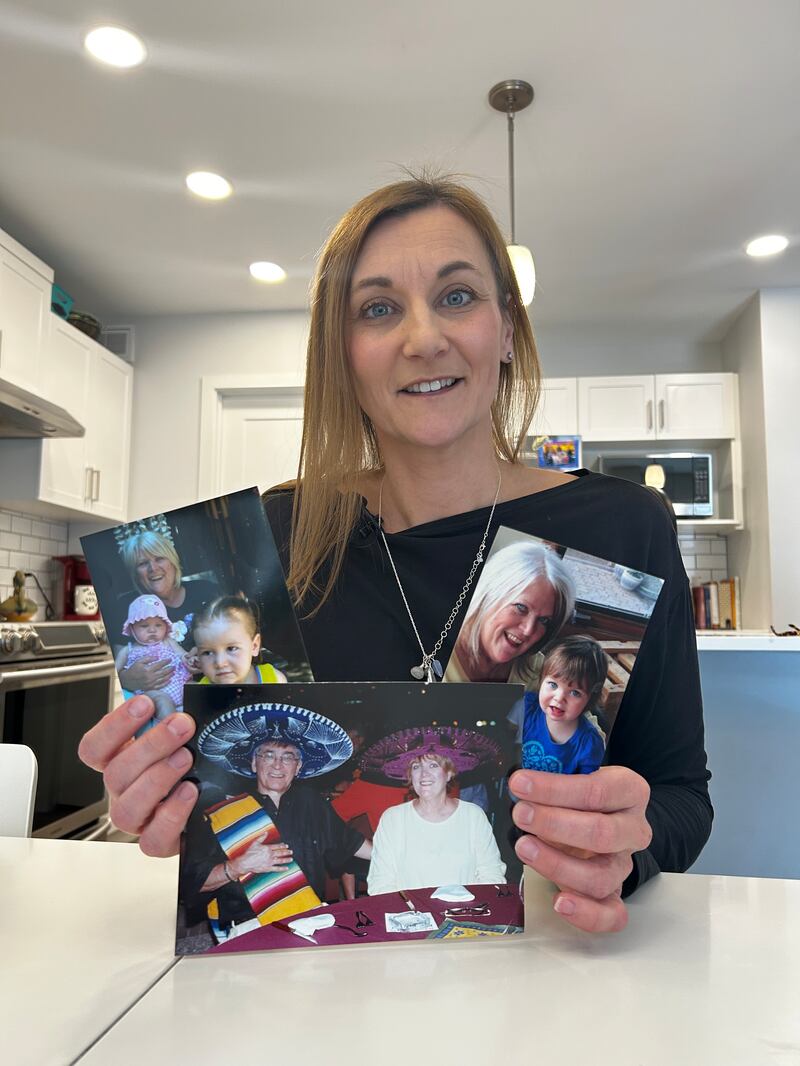
Andrea Katz’s family faced a similarly devastating diagnosis in 2013.
Her mother, Joanne Katz, began experiencing unexplained weight loss and pain.
“She started complaining about pain under her bra line,” Andrea said. “She went to her doctor, and after several tests and scans, nothing was clearly identified. They initially thought it was a severe stomach infection.”
Joanne was prescribed antibiotics, but her condition did not improve. Further testing eventually revealed cholangiocarcinoma.
“Initially my mom was given a year to live, and she was already at Stage 4 cancer,” she said. “The cancer was growing much faster and more aggressively, and that one-year timeline turned into three weeks or three months.”
And Joanne’s health continued to deteriorate, with just 44 days between her diagnosis and death. She was 67.
“She hadn’t had any major signs that would have given us knowledge that maybe this was something like cholangiocarcinoma or any other liver cancer,” she said.
Now a digestive health nutritionist, Andrea emphasizes the importance of listening to your body and seeking medical attention when something feels wrong.
“I look back and think to myself, were there signs that we maybe could’ve seen or noticed earlier on so that my mom could’ve come to the oncologist much earlier. When we found out that she was at Stage 4, they said she was probably dealing with that cancer for two years,” she said.
Cholangiocarcinoma cases rising
Cholangiocarcinoma is the second most common cancer affecting the liver. The Canadian Cancer Society says that most patients are diagnosed at Stage 4, when surgery is no longer possible.
Dr. Arndt Vogel, an oncologist at Princess Margaret Cancer Centre in Toronto, says while treatment options do exist, not all are accessible in Canada, including some targeted therapies.
“It’s a tumour with a very poor prognosis, and still the available treatment is not accessible here,” he said.
He notes that younger patients and families are increasingly being affected.
“We have a lot of options, which is good, but with these targeted treatments I think we are still too slow, and we need to adapt faster. If these treatments are approved in the rest of the world, I think we can also approve them in Canada,” he said.
Vogel says greater awareness and education are critical.
“It is rare, but the incidents are rising,” he said. “It can affect patients, not in all age groups, but there is certainly a tendency to see it in younger patients. There are limited options, but there are options which are not accessible here, and the prognosis is still very poor.”
Staying active and advocating for change
Although treatment has taken a toll, May continues to stay active.
In June, he organized a 5K run in his hometown of Lakefield, Ont., raising more than $130,000 for cholangiocarcinoma research.
He says he doesn’t know how much time he has left, but he remains committed to advocacy and education.
“When you hear that word cholangiocarcinoma, the most important thing is to advocate for yourself,” he said.