While Cuba is undergoing an energy shortage crisis that has led to all major Canadian airlines suspending flights to the Caribbean island, travel experts believe other popular resort destinations are bound to significantly increase their prices because they will see more demand amid a shortened supply of Caribbean vacation hot spots.
“If this situation in Cuba doesn’t get straightened out for the next holiday season, Christmas [and] winter season, then [other resorts] can decide whatever price they want,” said Martin Firestone, travel expert and president of Travel Secure, in an interview with CTV News via Zoom Sunday.
“And ... they’re probably going to get it because that is a major player taken out of the picture if Cuba does not get back online for at least hopefully next year.”
Firestone believes that some resorts and destinations could even charge double their current prices.
“Even if the Cuba situation didn’t happen, these destinations typically are higher than Cuba to begin with,” said Firestone. “Now, couple that with the fact that there is no Cuba to travel to anymore, so they can name their prices whether they do and take advantage.”
Although the long-term effects are predicted to be difficult for vacationing Canadians, the short-term effects have also resulted in Canadians paying a lot more to change their travel plans after all major Canadian airlines suspended service to Cuba.
“Because we’re going into March break, the demand for other properties was very high and it’s last-minute,” said Reese Morash, co-owner of TravelBug Travel Group, in a Zoom interview with CTV News Sunday. “Prices are going to be high ... that’s put increased demand on these other properties”
Morash says his clients who have had to back out of going to Cuba last-minute and looking at vacations in other Central American destinations are paying thousands of dollars more.
“While ... people that were going to Cuba would be looking probably about $2,000 or $2,500 -- but to go elsewhere, you’re looking a lot higher than that,” Morash said. “So it was certainly going to be a shock for them. For each person, you’re looking at probably another $1,000 versus what they were going to pay in Cuba.”
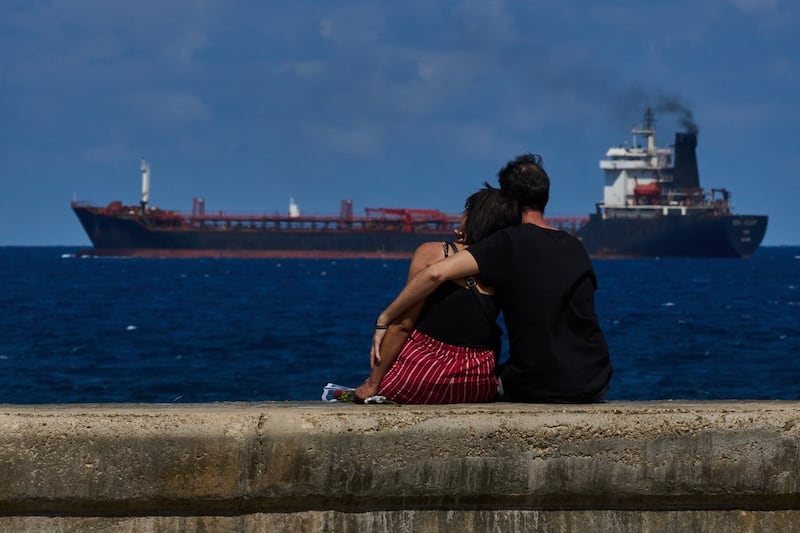
Over the past week, Cuba has plunged deeper into an unprecedented energy crisis, with widespread jet fuel and power shortages forcing major airlines to suspend flights and prompting emergency measures from the government.
Airports across the island have reported running out of aviation fuel, and rolling blackouts are affecting large swaths of the population, cutting electricity to homes, hospitals and public services.
These acute shortages follow the halt in Venezuelan oil deliveries after intensified U.S. actions to block Venezuelan exports, including interception of tankers and threats of tariffs on suppliers — a strategy the Cuban government and some international observers describe as an energy blockade that has choked off a key source of fuel.
In response, Mexico has dispatched two navy ships carrying hundreds of tons of humanitarian aid including food and basic supplies, and Russia has signalled plans to send crude oil and refined fuel as “humanitarian aid” despite U.S. threats of tariffs.
Air Canada told CTV News on Sunday that the last of its flights to Cuba return this week.
“We have also added additional flights to other popular vacation spots for people to take advantage of including to Cancun, Montego Bay and Punta Cana for the rest of the winter season,” said Air Canada’s media relations team in an email to CTV News.
Air Transat also says it will have the last of its travellers in Cuba return on repatriation flights on Tuesday.
“When flight suspensions were announced last Monday, roughly 6,500 travellers were in Cuba. More than 4,000 have now arrived safely in Canada, and today’s five flights will bring home another 1,500. The remaining travellers are scheduled to return on Monday and Tuesday,” said Marie-Eve Vallieres, a spokesperson with Air Transat, in an email to CTV News.
While SunWing and WestJet also told CTV News that they are making progress toward repatriating all Canadians currently in Cuba by Tuesday.
Steve Chapman, from Aylmer Ont., is on one of the last repatriation flights provided by WestJet and is set to depart on Tuesday.
“We were originally scheduled to go home on the 28th of February and that (was) cancelled -- but we are scheduled to return on the 17th, which I think is going to be one of the last flights out, according to our WestJet rep here,” he said.
Chapman isn’t sure if he will want to spend the extra money to spend the rest of his vacation elsewhere -- in the near future or even later this year.
“We’re going to look at vacation planning ... and obviously prices are going to go up -- and I think they’re going to take advantage of the situation that now, with Cuba not available, the Punta Canas and the Mexico destinations are going to definitely crank their prices up for supply and demand,” Chapman said.

