Canada has strengthened enforcement of vaping regulations, but a new federal report shows compliance remains a concern, particularly among specialty retailers.
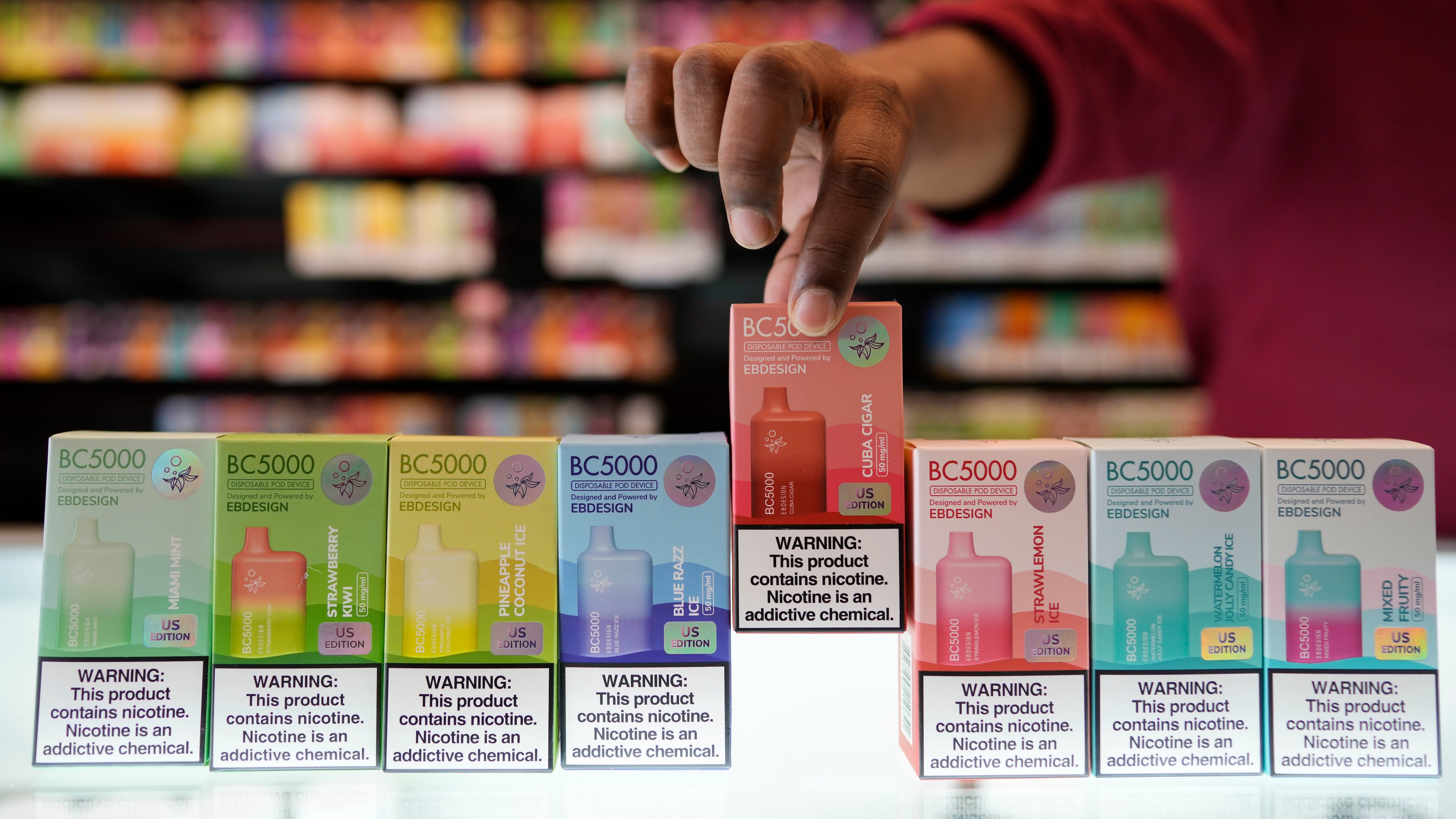
From April 2024 to March 2025, Health Canada inspectors conducted on-site inspections at 546 specialty vape shops nationwide and found 43 per cent were non-compliant.
The most common violations involved the promotion of prohibited flavours, testimonials or endorsements, and packaging that was missing required health warnings or showed nicotine levels above the legal limit of 20 milligrams per millilitre.
By comparison, fewer than one per cent of the more than 2,100 gas and convenience stores inspected that sold vape products were found non-compliant.
Retailers defend compliance efforts
At The Vape Warehouse in Calgary, manager Hien Ngo said his stores across the city have operated for more than a decade with strict adherence to federal rules.
“If you want to be compliant, it’s very simple. Buy from the distributors that have been authorized by Health Canada, buy from the manufacturers that have been licensed by Health Canada,” Ngo said.
Ngo acknowledged that following the rules can sometimes mean losing sales.
“Sometimes we lose that customer but really, for us, what we’re looking for, we want to keep our customers for the long term not just this one sale,” he said.
“It’s very important for us, all of our guys, if you speak to any of our sales guys they understand the safety side of it.”
Advocates call for stronger enforcement
Health advocates say some of the violations identified by inspectors can make vaping products more appealing, particularly to young people.
“Among high school students in Grade 12 across Canada, 27 per cent are vaping. That’s way too high,” said Rob Cunningham, senior policy analyst with the Canadian Cancer Society.
Cunningham said he hopes the federal government responds with stronger measures, especially around vape flavours.
“The current standard is very weak because it only bans the packaging with flavours or promotion of flavours. It doesn’t federally ban actual flavours themselves,” he said.
Michael Chaiton, an associate professor at the University of Toronto who studies tobacco control, said the gap in compliance between specialty shops and convenience stores may reflect differences in product sourcing and oversight.
He explains that gas and convenience stores typically sell a smaller range of vaping products from large, established brands that operate under tighter regulatory systems. Specialty vape shops, by contrast, often carry a broader variety of products from multiple suppliers, including some outside Canada.
“Those companies often located outside of Canada are not developing their products specifically for Canadian regulations, so stores will just buy what products are available and they assume the products that are available are going to be able to be sold and that’s just not the case,” he said.
Chaiton also questioned whether enforcement levels are sufficient.
“The level of enforcement certainly is not what it needs to be for specialty stores,” he said.
Ngo agreed more oversight may be needed for retailers who skirt the rules.
“If you were to be more strict, have more inspectors going around and take complaints from resellers and retailers seriously,” he said.
Last month, the federal government increased fines for non-compliance to as much as $3,000 and expanded the list of violations that can be ticketed on the spot under the Tobacco and Vaping Products Act.
CTV news reached out to Health Canada for comment but didn’t hear back by deadline.

