TORONTO - With Canada now home to the highest rate of food inflation among the G7, grocery giant Loblaw Companies Limited is hoping its expansion plans will be appetizing for Canadians.
Loblaw is investing $2.4 billion in Canada in 2026, with plans to build 70 new locations and create more than 9,000 jobs.
The national grocer’s plan will focus on building new Shoppers Drug Marts, No Frills and Maxi locations for budget-focused customers, while also renovating 191 locations.
In an email to CTV National News, Loblaw PR in part wrote that “opening new stores and pharmacies – especially in underserved areas – will help make value and health care more accessible.”
The investment announcement is part of the company’s five-year commitment to invest $10 billion into the Canadian economy by 2030.
What’s new, according to multiple economists, is the confirmation that the grocery giant is expanding and investing heavily into the discount grocery market.
“Their new stores will be under their discount banners, like No Frills, the refurbishments they do at some of their existing Loblaws stores will be rebranding and relaunching them under their discount banners,” says Guelph University food economics Prof. Mike von Massow.
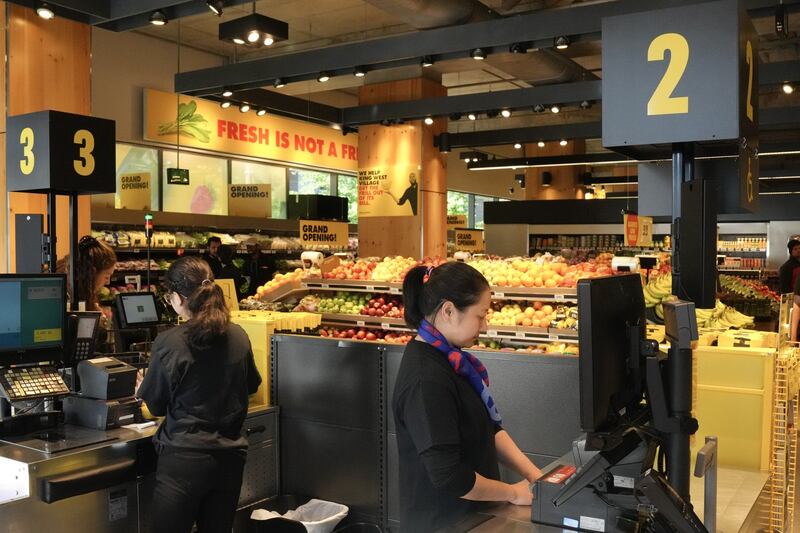
The grand expansion plans will take place from coast to coast, with four new stores opening in Atlantic Canada, creating roughly 600 jobs. Fifteen new locations will open in Quebec, creating more than 1,985 positions, Ontario will receive the largest boost with 27 new stores and more than 3,700 additional jobs, including at two new automated distribution centres and combined, provinces west of Ontario will welcome 24 locations and more than 3,400 jobs.
“It really is a sign of the times, No Frills definitely has the reputation of being more affordable,” says grocery shopper Tiffany Jamison-Horne outside a downtown Toronto No Frills.
‘Food security is such a big issue’
Many of the grocery store shoppers who spoke to CTV News expressed their disbelief at the price at checkout counter when paying for their groceries. The shared belief among multiple Canadian economists is that grocers are taking notice of cost-conscious consumers.
“Grocers focus on two things, ‘share’ and ‘basket.’ The first is ‘share,’ that is getting people to walk into your store. The second is ‘basket,’ which is how much they spend when they come in. If either of those go down (the grocery stores) feel the pinch,” says von Massow, who adds that Loblaw is responding to changes in consumer buying habits.
With her full grocery bags in her hands, Jamison-Horne shares that she feels “fortunate to even be able to shop at No Frills, food security is such a big issue in Toronto and across parts of the country,” she says.
Loblaw’s push to expand its discount options as well as its national pharmacy footprint is part of the company’s five-year plan to spend $10 billion by 2030. The grocer’s announcement comes ahead of their fourth-quarter results set to be released this Wednesday.

