WINNIPEG -- A University of Winnipeg researcher is leading a study of viruses that effect microalgae in one of Canada’s largest freshwater lakes.
Lake Winnipeg is the eleventh largest freshwater lake in the world and sixth largest in Canada.
There are many things impacting the health of the lake, which has been on the decline for many years, including:
- more phosphorus in the lake than it can process
- aquatic species like zebra mussels impacting the lake
- climate change causing warmer water and less ice
- large-scale algal blooms
Lake Winnipeg’s drainage basin is almost 1,000,000 square kilometres and stretches over four provinces and four U.S. states. Water flowing from cities including Edmonton, Calgary, and Winnipeg eventually drains into the lake, carrying excess phosphorus.
Now, virologist and microbiologist Emily Chase is conducting new research that could help experts better understand the health of the lake.
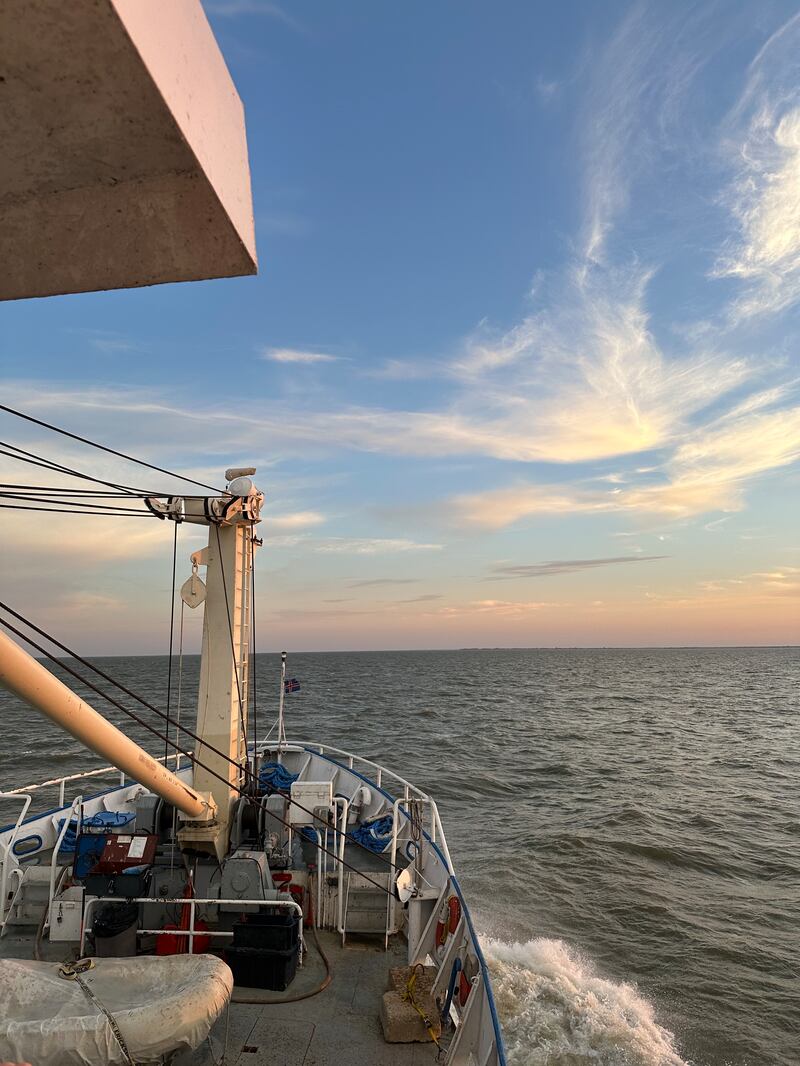
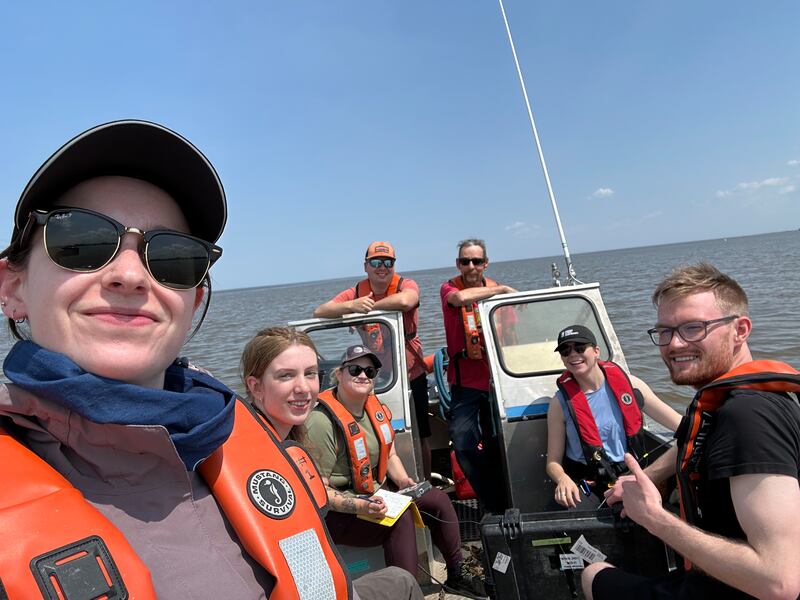
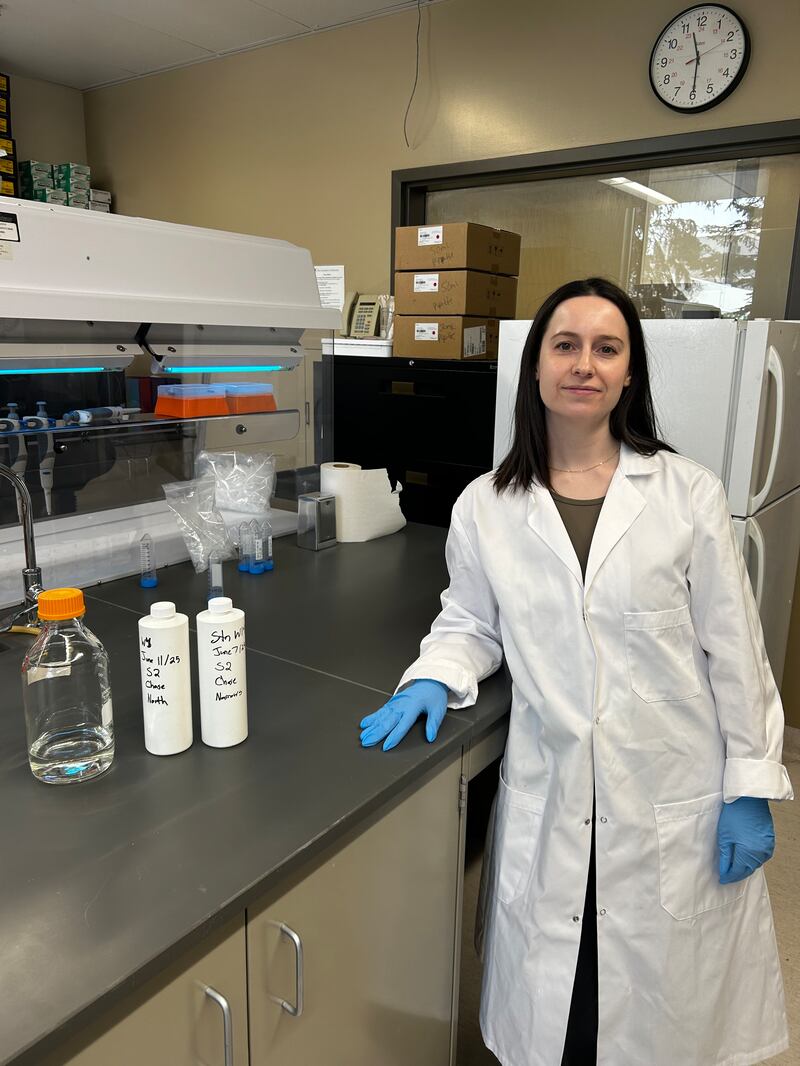
Over the last year, Chase and her team have been collecting water samples from Lake Winnipeg. She filters the water to isolate any viruses and microbes.
“We do what’s called metagenomic sequencing,” she told CTV News. “So, with that, we are looking at what viruses are there, and what microbes are there.”
Chase said she is in the middle of analysis and sequencing for the project, adding they have some preliminary knowledge that there are viruses in the lake, including something called a “giant virus” which is very unique.
“They are physically larger than viruses we typically think of, and they also have bigger genomes,” she said. “They have more genes and that means they are capable of doing way more things than we expect viruses to do.”
Microalgae are single-celled organisms that, like humans, can be infected by viruses. While these viruses do not threaten human health, they can significantly affect the health and balance of lake ecosystems.
“At the moment, it looks like blooms will probably increase in intensity and severity, but it’s always not easy to predict,” she said.
Economic impact on local fisheries, tourism
Some fear further strain on the lake’s already fragile ecosystem, could have a significant economic impact for the region.
“The fisheries market that Lake Winnipeg is on, a multimillion-dollar market could change, and we have seen fish markets crash in different areas and we don’t want that happening to Lake Winnipeg,” said Armand Belanger, who works and lives on the shores of Lake Winnipeg. “It’s concerning, but we need to find solutions for the future.”
Lake Winnipeg is known for its fishing, beaches, and biodiversity, but the vast body of water, is changing rapidly.
Belanger says he has witnessed noticeable changes in recent years, including heavier algal growth during summer and into late fall.
“There was an incident a couple of years ago, where there was an algae bloom in the harbour on Lake Winnipeg,” he said. “The algal bloom in the morning was sufficient enough to see all the small fish, thousands of them, die from the lack of oxygen.”
“A lot of the reasons for the change is from humans causing it. It’s also from flooding and potentially climate change factors,” he said.
Hope through research
Although the research is in its early stages, Chase hopes to be able to share some results in the near future.
Including helping scientists better understand Lake Winnipeg, she hopes the research could also contribute to global knowledge about viruses that infect microalgae.
“It’s considered Canada’s sickest lake, but of course we want to change that, because there are so many people working on it,” she said. “Hopefully the information I can provide can give us a more clear picture, and hopefully we can work really hard to steer away from what’s predicted at the moment.”