Environment and Climate Change Canada (ECCC) is set to sunset two of its services next month, drawing ire from those who rely on the resources when severe weather hits.
In a notice posted to the weather agency’s website, ECCC said its Weatheradio and Hello Weather services will be permanently disconnected starting March 16.
Using about 230 radio transmitters around the country, Weatheradio broadcasts on several frequencies in Manitoba, offering continuous weather information and severe weather alerts.
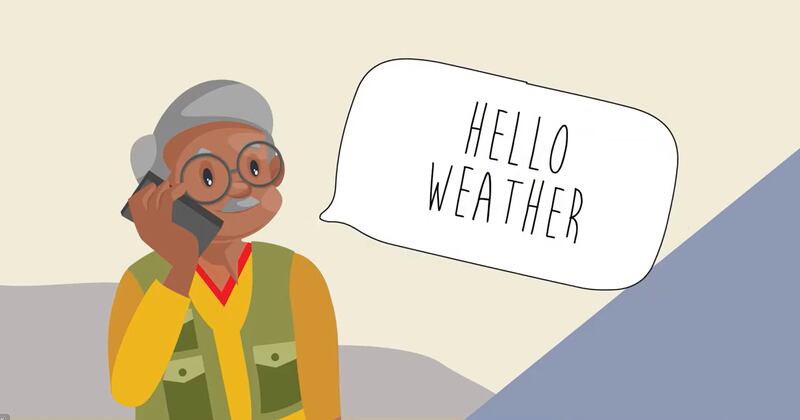
Similarly, Hello Weather provides weather reports over the phone.
An ECCC spokesperson told CTV News the decision was made due to the increasing costs of maintaining the technology needed to operate both the radio and phone services.
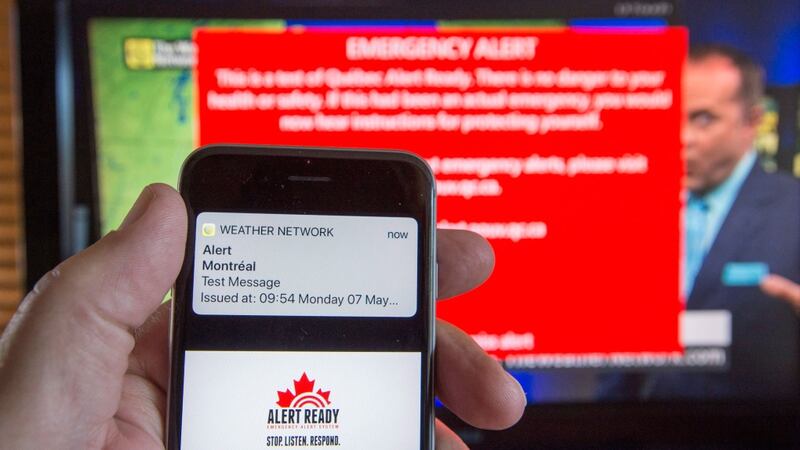
Emergency alerts will still be available through partners like Alert Ready, the national public alerting system. ECCC said it is also collaborating with Public Safety Canada to strengthen that system.
Additionally, forecasts will continue to be available through ECCC’s website and the WeatherCAN app.
The spokesperson noted there have been numerous technological advancements since Weatheradio was introduced in the 1970s, allowing ECCC to increase availability of its services.
“Additionally, cellular service in Canada continues to expand, and satellite internet is increasingly enabling remote communities across the country to access information,” they said.
“Technologies complement the expertise of forecasters. People in Canada can feel confident making weather-informed decisions every day—particularly during extreme weather events.”
Weatheradio’s precise audience size is difficult to measure, the spokesperson said, but noted the main users are mariners, farmers and campers in remote locations.
Meanwhile, Hello Weather users are concentrated around Winnipeg, Kitchener-Waterloo, Toronto, Ottawa, Quebec City, and Montreal.
Hello Weather received four million calls in 2024-25, the spokesperson said.
‘It saves lives’
University of Manitoba atmospheric science professor John Hanesiak said the move to end the services is concerning.
Relying heavily on cell phones and the internet to distribute lifesaving weather information is problematic, he explained, as not everyone has access and severe weather can knock out service for those who do.
Hanesiak knows something about severe weather, as he teaches a storm chasing course each summer.
“The moral of the story is really having multiple sources of imminent, dangerous weather type conditions is important,” he told CTV News.
“The United States, for example, still uses tornado sirens. We see this when we’re storm chasing all the time. You get notified on your cell phone, you hear the sirens, and so there’s multiple sources of information. The bottom line is that it saves lives.”
Ham radio user Brennan Harrison agrees.
He has relied on Weatheradio for years, particularly when he’s at his cottage in northern Manitoba without cell service and only spotty internet access.
He calls ECCC’s move to end the service short-sighted.
“I think that radio is and always will be the most reliable form of communication because cell phones use multiple cell towers, and if those towers go down, your cell phone is basically useless unless you’re connected to Wi-Fi,” he said.
“If the internet goes down, then you have nothing.”
He called on the weather agency to walk back the decision and instead, add more transmitters to expand the service.
With files from CTV’s Danton Unger and William Reimer