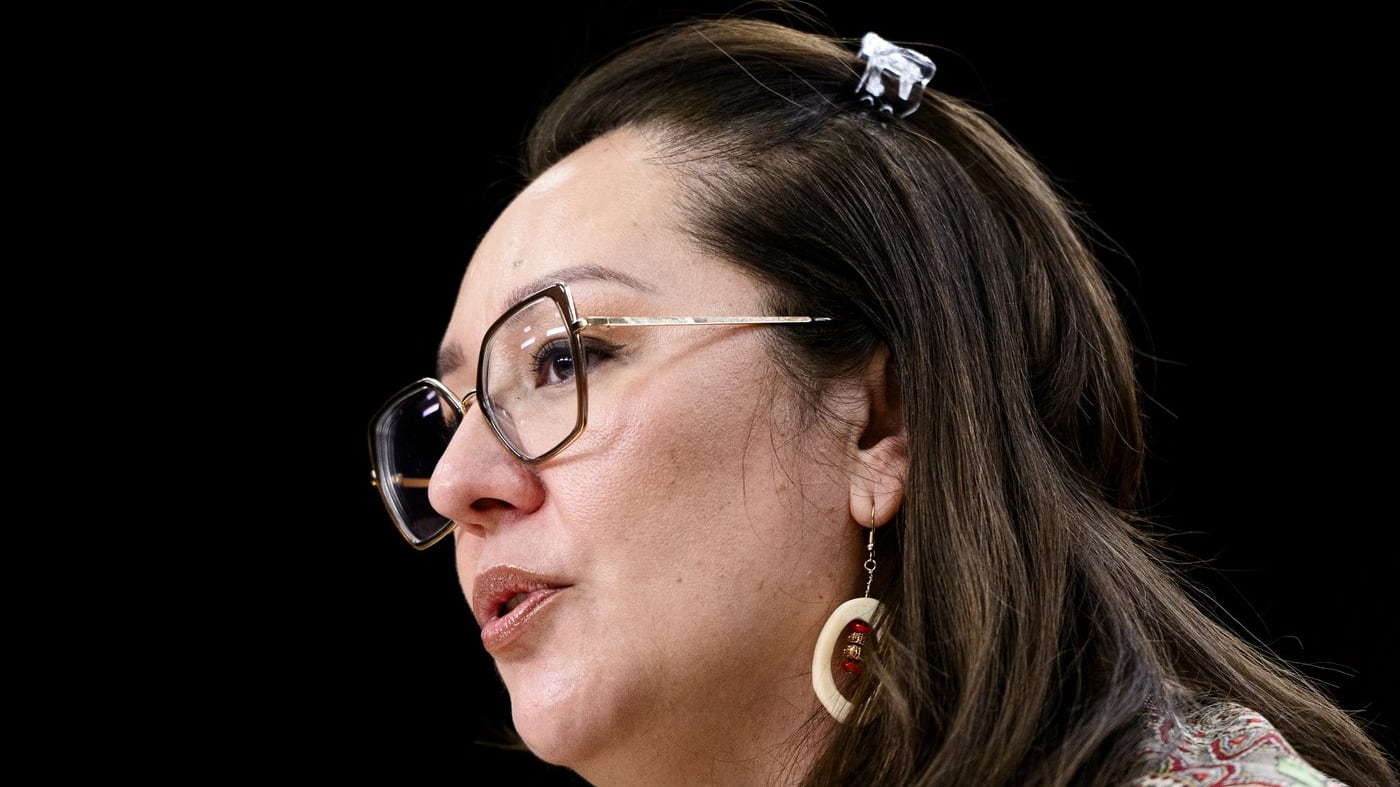
Indigenous Services Minister Mandy Gull-Masty announced a $1.55-billion commitment in federal funding Thursday to support Jordan’s Principle, which states First Nations children must have equal access to social and health services.
The funding will last through 2027.
“By committing $1.55 billion over the next year, we are reducing uncertainty and strengthening stability for communities,” said Gull-Masty. “We will continue working with First Nations leadership and families to ensure Jordan’s Principle remains predictable, practical, and grounded in fairness and respect.”
This announcement comes as Gull-Masty faces criticism for not repealing an operational bulletin last year that restricted the scope of services covered by Jordan’s Principle.
The Jordan’s Principle program is named after Jordan River Anderson, a boy from Norway House Cree Nation who lived with complex medical needs. He spent more than two years in a hospital while the federal and Manitoba governments disputed who should pay for the services and equipment that could have let him live at home.
But the conflict was never resolved, and Jordan died at just five years old.
MPs unanimously passed a motion in 2007 committing the federal government to ensuring First Nations children get necessary services without delays. Jordan’s Principle allows families to submit requests for medical, mental-health and educational needs.
But some say there are still issues with the program.
More work to be done
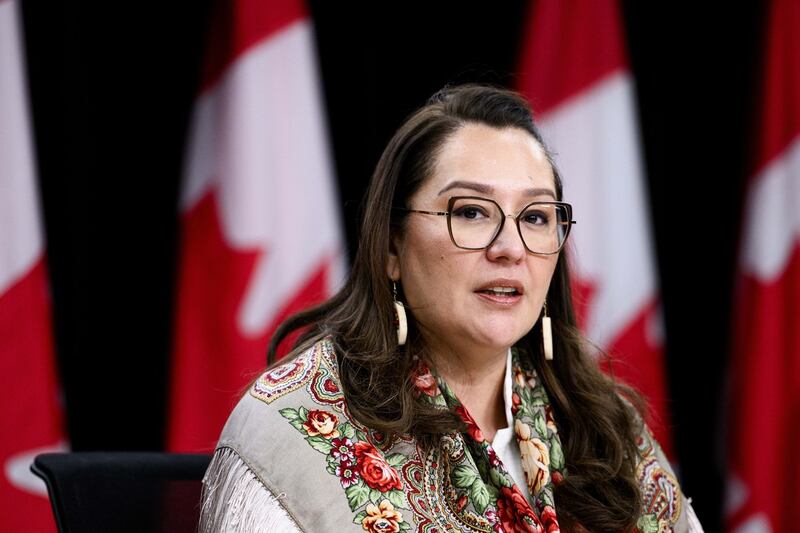
Grand Chief Garrison Settee with Manitoba Keewatinowi Okimakanak says he welcomes the news from the federal government, but adds that the work is not over yet.
“We need to continue to make sure that the implementation of Jordan’s Principle is complete, so that these children that are in dire need of help have access to these supports,” he said.
“I’m thankful there is a recommitment for this process to start again, and hopefully it will continue to be implemented to the degree that it warrants.”
130,000-case backlog: advocate
Child welfare advocate Brittany Mathews warns funding alone won’t fix the system, pointing to a backlog of 130,000 cases.
“It’s really scary to think about the number of kids who are waiting for needed services,” said Mathews, who works for First Nations Child & Family Caring Society. “We are talking things like mental-health supports and education supports.”
“First Nations kids are unable to go to school because they don’t have an educational assistant to support them in learning. There are kids who are diagnosed with autism that are missing out on key developmental stages, because they are unable to access the supports that they need,” she said.
Mathews says this backlog is leaving families in impossible situations.
“They are drumming up the little cash that they have available to simply pay the basic needs for the kids in their lives, while Canada tries to do their best to pay their bills and issue reimbursements,” she said.
‘Failed, pathetic system’
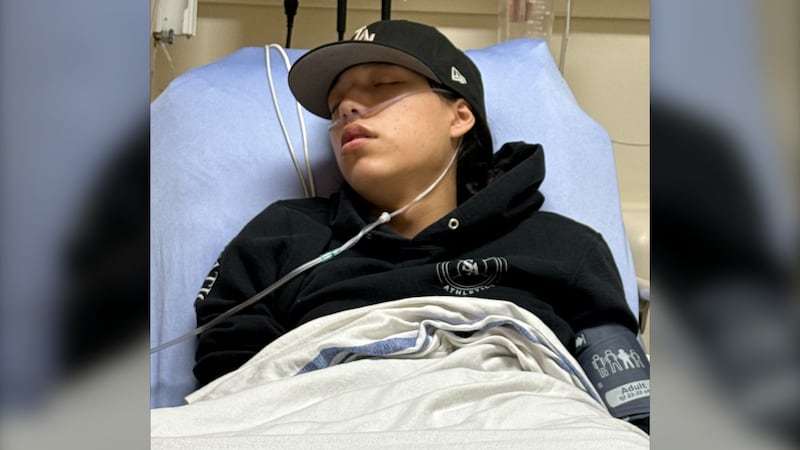
In 2023, Kayla Thompson’s son Hanlon was diagnosed with a rare autoimmune disease called IgA Nephropathy, also known as Berger disease.
This disease causes chronic inflammation affecting his kidneys, lungs, and brain. He also has Kleine-Levin Syndrome (KLS), a rare neurological disorder that severely impacts his sleep, appetite, mental health, and daily functioning.
As Hanlon’s condition progressed, so did the financial strain. Thompson says his doctors prescribed a strict medical diet and specialized services, costing more than $1,200 a month.
She says she applied for help through Jordan’s Principle, but was repeatedly denied.
“Financially, I was in such a crisis because I was covering the costs of all of this stuff, while I was waiting for reimbursements or supports from Jordan’s Principle,” she said.
Thompson said she was denied well over 20 times for reimbursements from a program that she thought was supposed to help First Nations children like her son.
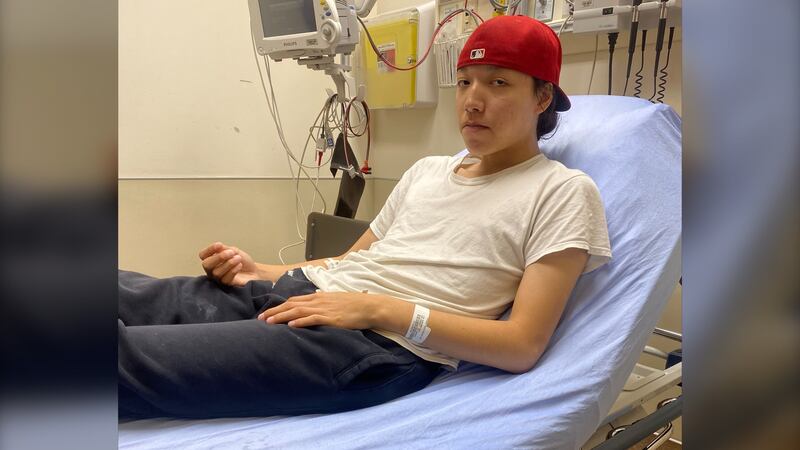
After three years of fighting to get her money back, she was finally reimbursed this past month, but she says it came at a cost.
“My credit is crap. My credit cards are maxed out. The burden is even worse than you can imagine,” she said. “They have made it extremely painful and problematic. It’s a failed and pathetic system.”
Thompson said the new federal funding for Jordan’s Principle will not change anything, a system that she says caused her many issues.
“Funding announcements don’t fix delayed approvals, inconsistent decisions, excessive documentation requests, or the emotional toll of having to fight for every essential support,” she said. “Families are still navigating denials, backlogs, shifting criteria, and uncertainty about whether medically necessary services will be covered.”
“Jordan’s Principle was meant to ensure First Nations children receive timely, equitable access to services without jurisdictional barriers. That promise isn’t fulfilled by a dollar amount alone,” she added.

