WINNIPEG -- Shelly Paupanekis has been stuck in a Winnipeg hotel since Jan. 3.
She was among the hundreds of people evacuated from Pimicikamak Cree Nation, also known as Cross Lake, about 520 km north of Winnipeg, after a days-long power outage led to frozen pipes, which burst and flooded many homes.
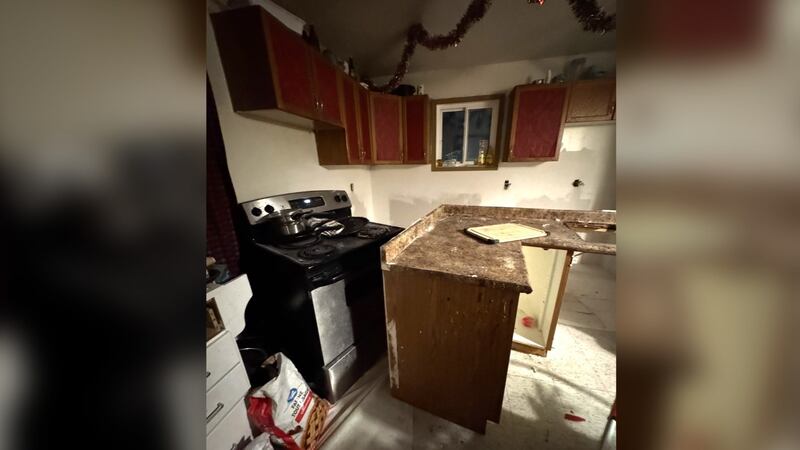
Paupanekis’ home was severely damaged and is now deemed unlivable.
“They had to rip off mould, and they had to rip out my counter and stripped my washroom,” she told CTV News Friday. “They are working on it.”
This marks the third time in seven months Paupanekis was forced to leave her home. The first came in July, when raging wildfires came near her community.
“It was dangerous,” she said. “It was very dangerous for the elders, the children and the infants.”
“This power outage evacuation is worse than the fire and smoke experience this summer. Being cold is worse and it’s traumatizing,” she added.
It’s much of the same for Jackson Osborne, who has been in Winnipeg since Jan. 14.
“It’s very hard,” he said. “It’s very stressful, loneliness, traumatizing. You’re worried for your land, your family, and your house.”
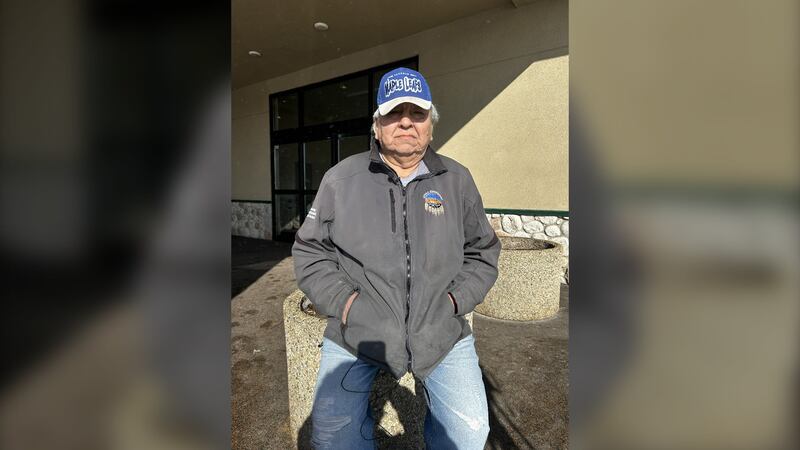
Osborne says he doesn’t have any idea when he can return home, which is concerning for him.
“It’s very scary,” he said. “It’s a different environment here. There’s too much noise.”
“We miss our own activities at home, we miss our families, our friends, and our houses,” he said.
Two months since power outage
It’s been 60 days since a downed power line caused the outage on Dec. 28.
Power was restored on Jan. 1, and a military team was brought in to assess the damage but left on Jan. 11.
Pimicikamak Cree Nation Chief David Monias confirmed there are still 2,000 people evacuated from the community and does not have a timeline for a possible return date.
“Our preference is to get people home, of course, but it’s hard to do that,” he said Friday, speaking from his community. “The state of emergency has now turned into a health and safety issue and whether those people can come home or not, remains outstanding.”
He says 237 homes in the community are deemed unlivable, and work is ongoing for roughly 900 homes focused on mould remediation and emergency repairs.
Hundreds of tradespeople are in the community working around the clock to fix the damage left in the wake of the power outage.
“While we are trying to do that, there has been some shortage of funding for them to complete the work that is required,” he said.
Monias urged that the community needs funding to fix the ongoing repairs. He said Indigenous Services Canada (ISC), the Manitoba Government and Manitoba Hydro have failed to act.
In a statement to CTV News, a spokesperson with the ISC said their Emergency Management Assistance Program (EMAP) is providing financial support to the community “to address damage to houses as part of the recovery process.”
“While EMAP does not have funding authority to cover pre-existing issues, the department takes mould and asbestos concerns very seriously,” a statement reads. “In addition to the Nation’s existing housing funding, Indigenous Services Canada is also providing funding of $1.1 million to assist the community in repairing any pre-existing issues that the community determines as required.”
Premier Wab Kinew briefly responded to this claim at a press conference Friday afternoon.
“The way we respond to some of these emergencies, is a lot more comprehensive than how the federal government responds,” he said. “God forbid something like this happens in the future, it seems like Manitoba’s response is very strong.”
A spokesperson for Manitoba Hydro said the Crown Corporation has put in place the required electrical infrastructure to provide power to two temporary camps housing out-of-town contractors completing repair work in the community.
“Manitoba Hydro also continues to assist the community by supplying industrial heaters with a crew and vehicles to move them around at the community’s direction,” a statement reads.
Paupanekis says it’s been a tough few weeks and just wants to go home.
“It’s been very hard, emotionally and mentally,” she said. “I had to leave my home, my job, my family.”

