
Usually at this time of year, provincial governments are busy drafting and unveiling the financial blueprints that will guide their governments through the next fiscal year.
Most provinces have yet to deliver the official numbers for 2026-27, but experts say a likely trend of deficit budgets will continue.
“This is a national problem,” said University of Regina economics professor Jason Childs. “We’ve seen an absolute pivot away from the idea of we should be balancing the budget.”
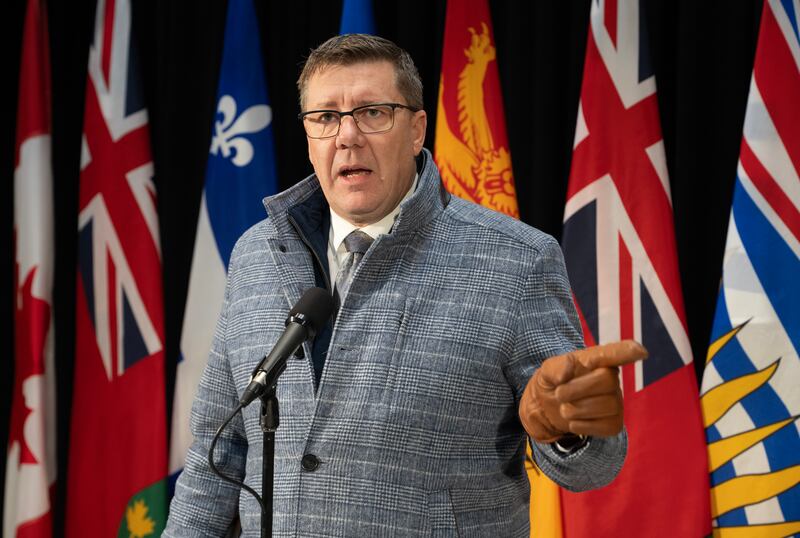
This week, Saskatchewan Premier Scott Moe said the province will see a deficit when the budget is delivered on March 18, pointing to trade uncertainty and increased spending on public services as driving factors.
“We’re in a challenging time across Canada,” Moe said, adding that no province seems to be immune to these financial shortfalls.
China’s tariffs on Canadian canola and dropping oil prices hurt provincial revenues, according to public policy expert Jim Farney. Another major factor driving the deficit is the increased spending on healthcare, education and highways associated with growing populations.
“Healthcare, in particular, is just getting ever more expensive as our population ages, and there’s really no good fix for that,” said Farney, Regina Director for the Johnson Shoyama Graduate School of Public Policy.
“(Provincial governments) are all dealing with the same set of challenges to a greater or lesser degree.”
‘Every province in this country’
Based on mid-year updates, Childs suggests Saskatchewan could post a $1 billion deficit.
“Yes, we’re going in the wrong direction, but we’re going in the wrong direction slower than everybody else,” he told CTV News.
In February, B.C.’s budget delivered a record $13.3 billion deficit that came with tax hikes and 15,000 jobs cuts from the public sector.
Nova Scotia projected a $1.2 billion deficit that will see cuts to government jobs, grants and operational expenses in the civil service.
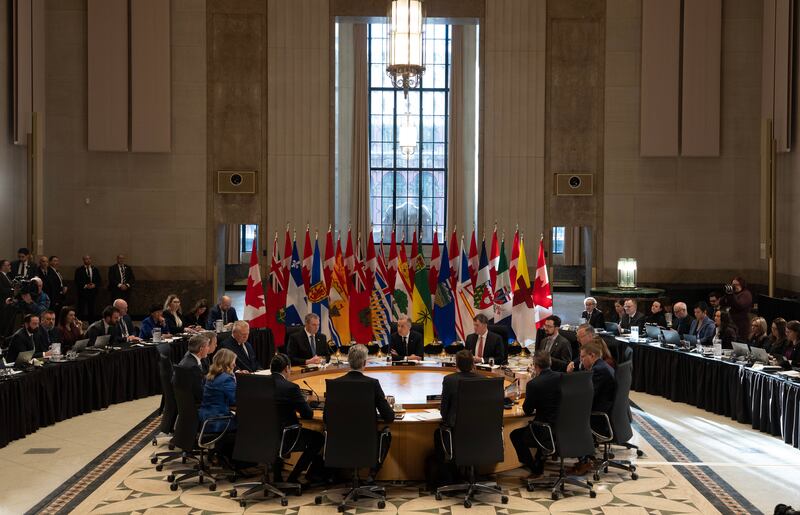
Alberta’s premier also warned of “significant” deficits ahead of that province’s budget unveiling.
“You’ve got the federal government running this large deficit. You’ve got provincial governments running large deficits,” Childs said.
“Every province in this country is running a deficit of one per cent of GDP or more.”
Childs said about 10 per cent of federal tax dollars goes to servicing the country’s debt, money that isn’t spent on public services. If debt continues to rise, he said investing and working in the country could look less appealing.
“For the rest of our working lives, we’ll be paying interest on both the federal and provincial debt,” Childs said.
To get back to balanced budgets, Farney said service cuts “that are deep and politically unpalpable,” or tax increases would be needed. Neither would be popular among voters.
Premier Moe has suggested there won’t be service cuts or tax hikes as a result of the budget deficit.

