Baking from scratch, sewing your own clothes, learning woodworking or pottery, taking up mountain biking — plenty of Canadians have a bucket list of new hobbies they want to explore.
But each of these pursuits can be expensive, especially when you don’t know if you’re going to like it enough to keep at it.
Sara McCullough, a financial planner and owner of WD Development, said it is important to determine how much money you can spare for exploring a new activity.
That comes with having a clear understanding of your overall finances — how much is already spent on housing, transportation, food and everyday living, she said.
“What could you carve out for this new hobby? Is there something else you’re going to give up?” said McCullough.
But exploring hobbies isn’t just about money, she said. It’s also about time and feasibility.
For example, even if you could comfortably spend $3,000 on biking gear, you have to consider if you live in an area where you can cycle and whether you have enough time to actually do it.
McCullough said she loves paddleboarding, but she doesn’t live close to a lake or river. For her, the cost of being on the water also includes the time it takes to drive to a lake, as well as investing in the equipment.
“You might not break the financial bank with this new hobby, but you might break your time bank,” she said.
Experts suggest considering what skills you already have when venturing into a new hobby.
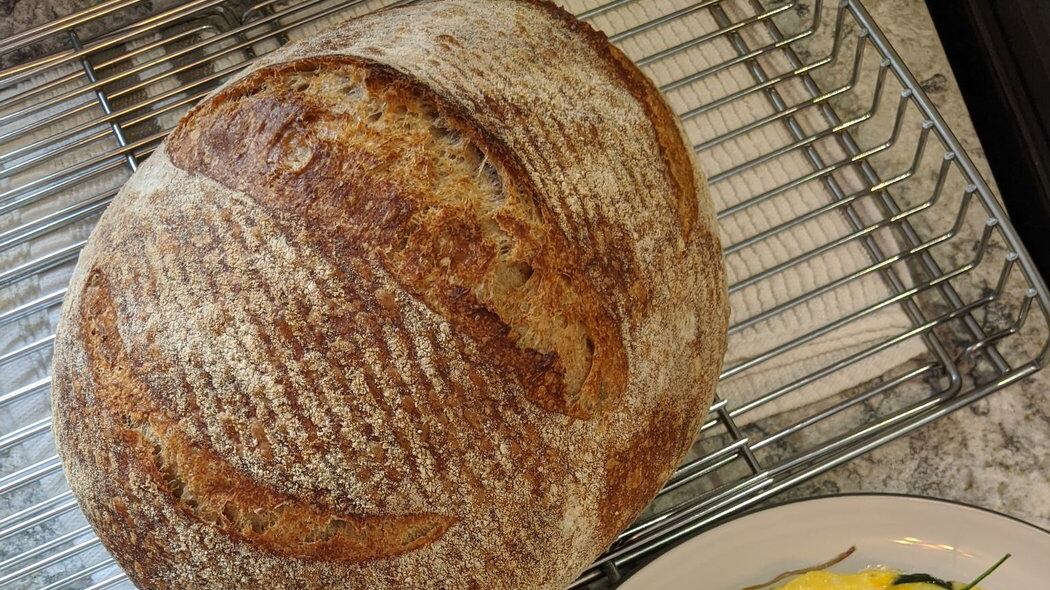
Toronto resident Jenny Rodrigues always enjoyed baking, so it wasn’t hard for her to start making her own sourdough bread.
“I’ve always enjoyed baking. I bake cakes for my kids. I bake muffins and cookies for my co-workers,” Rodrigues said. “So I thought, why not try bread?”
Buying a Dutch oven — which can cost hundreds of dollars for a good quality one — was an investment for her sourdough journey, while other smaller tools, such as a dough scraper and bread thermometer, helped perfect the loaf, she said.
While she mastered baking sourdough bread, Rodrigues said, “Now, it’s become an investment of time and just managing my time a little bit more.”
Taking stock of money, time and skills can give you a fair idea about how you feel about a new hobby, McCullough said.
There may be some flops before you actually start enjoying a new hobby, so it’s important to build in those expectations, she said.
Saijal Patel said trying introductory classes could be a way of testing the waters.
“That’s really to just determine whether you even enjoy it enough to commit to something longer,” said Patel, the founder of financial consultancy and education firm Saij Elle.
A lot of businesses offer a one-day pass or a discounted first class to attract new customers, she said.
For activities that require owning expensive equipment, consider borrowing or renting instead, Patel said.
For example, you could borrow your friend’s camera if you’re trying out photography or rent skates if you’re venturing into ice skating, she said. Often, community Facebook groups offer a way to borrow or rent equipment.
“Where we make a lot of mistakes is we feel like we have to dress the part and look the part to be good, but that’s not the point of the hobby,” Patel said.
McCullough recalled buying a rowing machine after weeks of research, only to find out afterward that an acquaintance had one that was essentially being used as a clothes hanger.
“Sometimes, you can get things for free because it’s somebody else’s discarded hobby,” she said. “Or you get other people to do the hobby with.”
Other times, revisiting your old hobbies — and the supplies you may still own — could be repurposed and help save some money when starting a new one, McCullough said.
She said that would also help you see all the supplies from an old hobby you haven’t used in a while, which could be sold or swapped for the things you may need for the new activity.
“Can we declutter ... before we bring in something new?” she said. “That might be worth a quick check-in with yourself.”
This report by The Canadian Press was first published March 3, 2026.
Ritika Dubey, The Canadian Press

