CALGARY, Alta. -- Canada is emerging from a difficult influenza season that has strained hospitals across the country, with experts pointing to a combination of vaccine mismatch, lower vaccination rates and a particularly severe strain of the virus.
In Alberta, 255 people have died from influenza so far this season, according to provincial data. It marks the deadliest flu season the province has seen in recent years.
The figure continues a rising trend in flu related deaths in Alberta. The province recorded 236 deaths during the 2024-25 season, 171 the year before and 121 in 2022-23.
Doctors say the severity of this year’s influenza wave was evident in hospitals across the country.
“I was on call a lot over the last few months and we had a constant stream of really significant and sometimes critically ill and deathly ill people coming in with influenza,” said Dr. Lynora Saxinger, an infectious disease specialist at the University of Alberta Hospital.
The surge in patients seeking care placed strain on hospital emergency departments, with long waits reported in many regions.
Matt Jones, Alberta’s minister of hospital and surgical health services, said several factors contributed to the challenging season.
“It was a particularly difficult respiratory virus season and there was a mismatch in the vaccine that contributed to that difficulty,” Jones said.
A mismatch between the vaccine and the virus, low vaccination rates and the strain itself, all contributed to the 102,106 influenza cases that have been reported to Health Canada since Aug. 24, 2025.
Dr. Isaac Bogoch, an infectious disease specialist at Toronto General Hospital, said the season was dominated by influenza A (H3N2), which tends to cause more severe illness.
“Seasons more focused on H3N2 tend to be more severe at a population level compared to other seasons that are H1N1 seasons,” Bogoch said.
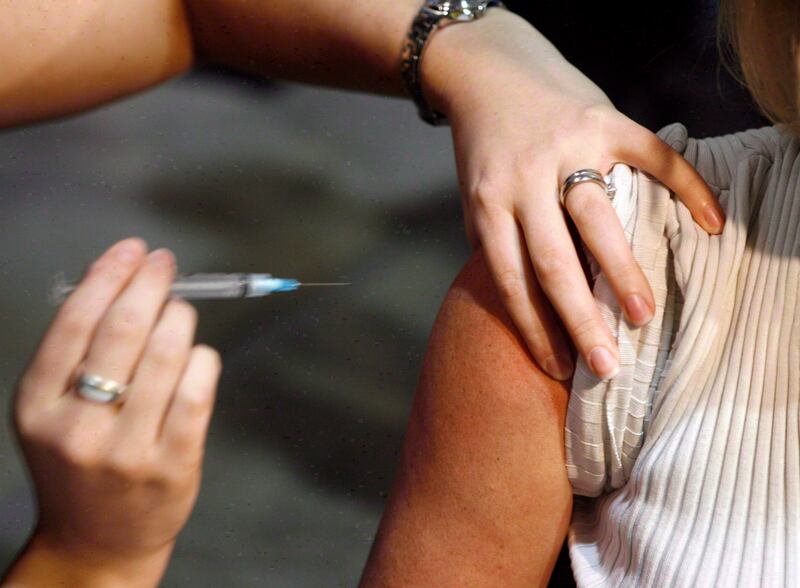
Dr. Don Vinh, an infectious disease specialist and medical microbiologist at the McGill University Health Centre, said influenza activity was widespread across the country, although national rates are now starting to decline.
“Rates right now nationally seem to be decreasing around five per cent,” Vinh said.
“Alberta seems to be lagging behind. Their rates are still higher, somewhere around seven per cent or so.”
Even as cases begin to fall, some experts warn the health system could struggle if similar seasons continue.
“I really don’t think our system can sustain that kind of an onslaught repeatedly because I’m not seeing where new resources are coming to address it,” Saxinger said.
The difficult season has also renewed calls for stronger vaccination efforts.
Sharif Haji, Alberta’s NDP shadow minister for primary and preventative health services, said governments need to improve vaccine access and communication.
“What the government needs to do is to take it seriously. Proper vaccine rollout, information, proper public health communication that goes to Albertans in terms of where to access their vaccines,” Haji said.

