For many in the Greater Sudbury community of Azilda, the arrival of winter signals the countdown to a cherished local tradition. When the ice on Whitewater Lake is deemed thick enough, a pop-up village of ice huts emerges, transforming the frozen expanse into a hub of social activity.
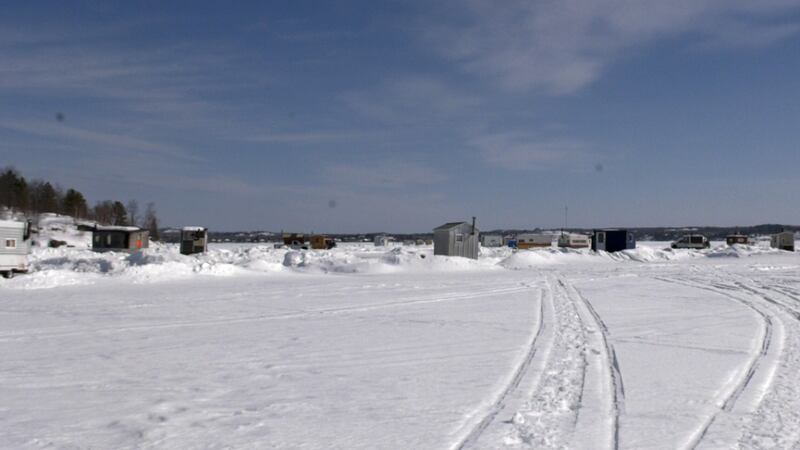
Gary Belanger, who has an ice hut on the lake, said the gathering is a marker of the community’s health.
“Sometimes you only see these people once a year on the lake and there’s a lot of new faces,” Belanger said.
“That’s good, that Azilda is prospering.”
While the tradition is decades old, this year’s start was delayed by the weather. The huts only made their way onto the ice in January, following a stretch of warmer temperatures early in the season.
Pastime rooted in community connection
For many of the regulars, the draw is about much more than the fish. The village offers a unique opportunity to reconnect with neighbours and friends in a relaxed, outdoor setting.
Yvon Duguay said he has been fishing in the village for more than 35 years, describing it as a simple but essential hobby.
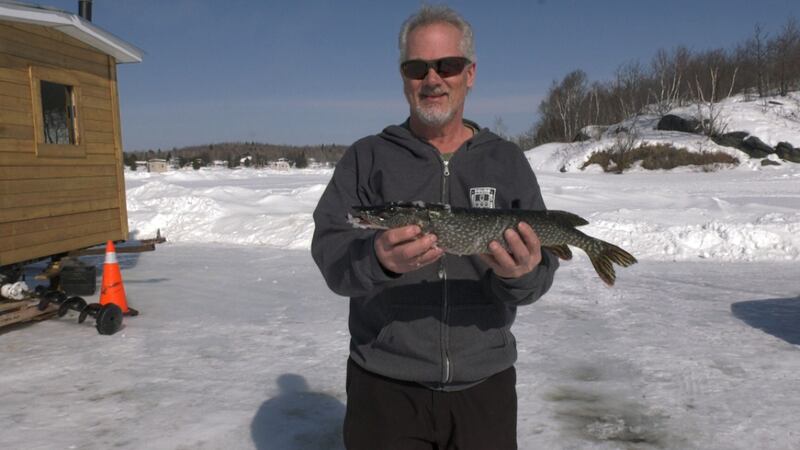
“It’s just getting out and meeting people,” Duguay said.
“Like my neighbor over there, Paul.”
“It’s awesome, I love it.”
— Yvon Duguay, been fishing on Whitewater Lake for more than 35 years
Ideal conditions extend the season
Despite the slow start, the deep freeze that eventually set in has created ideal and safe conditions on the lake, allowing fishers to relax and enjoy their time on the ice without worrying about an early thaw.
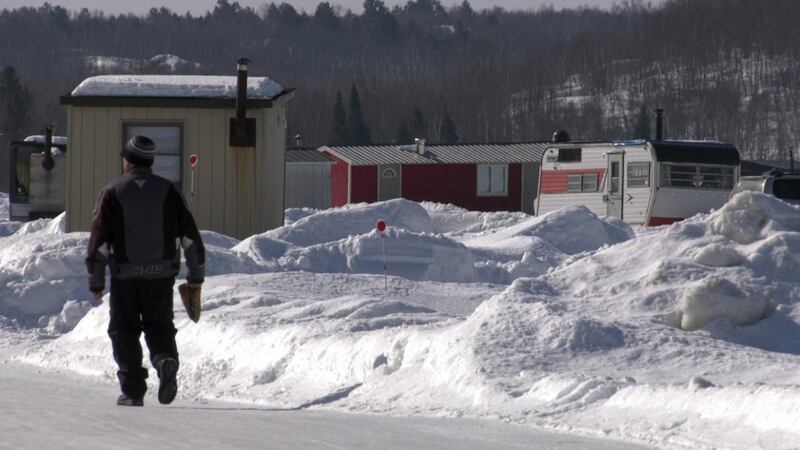
“There’s 38 to 40 inches of ice on the lake, so there’s no panic,” Belanger said.
“Usually the ice gets all flattened and you could drive with a motorcycle or a car. I am hoping to take my hovercraft on the lake.”
With the ice expected to hold, plans are already in motion for the coming days. Duguay outlined his strategy for making the most of the late-winter conditions.
“I think I’ll be here until about 2 or 3:00 and bring the hut tomorrow, and then I’ll probably end up driving on the lake if it’s a nice day, and do some more fishing,” Duguay said.
All permanent ice huts must be licensed and removed from the lake by the end of March. However, the fishers on Whitewater Lake noted that temporary structures face no such limits, with some planning to swap their current huts for tents in the coming weeks to extend their time on the ice.
Thrill of the catch, a simple meal
The low cost of entry and the simple joy of the activity continue to attract new participants. George Canapini, who has only been out twice this year with his temporary structure, has already found success.
“It’s a nice pastime if you have the weather and it’s not an expensive sport,” Canapini said.
“If you walk out from the shore and drill a hole and put a line down, it’s easy to do, and it’s fun.”
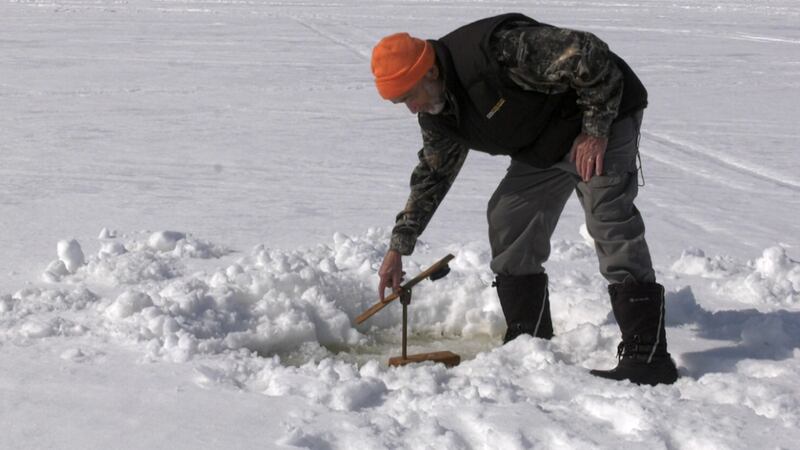
Canapini told CTV News that the potential for a fresh meal is a rewarding bonus, even if the fish aren’t always biting.
“I mean, it’s fishing, so you don’t always catch something,” he said.
“But if you do, you can get a nice meal out of it.”
Ultimately, community members CTV News spoke with agreed that while the love of fishing is what first brings many people out onto the ice, it is the tight-knit and welcoming atmosphere of the village that ensures they return, year after year.

